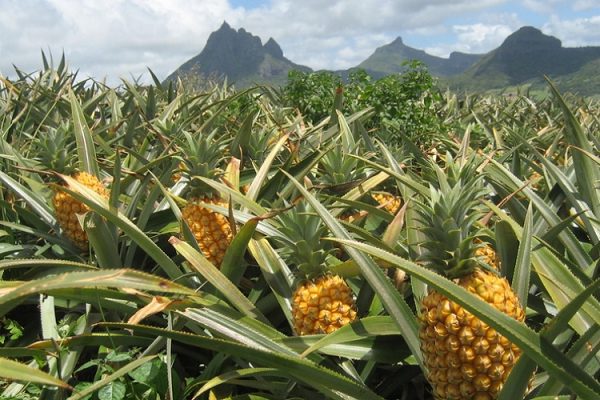
The European Union (EU) has recently voiced concerns about potential fraudulent practices in the export of locally grown pineapples from Ghana to the European market. According to the EU’s January 2024 Report on Agri-Food Fraud Suspicions, pineapples exported from Ghana to Belgium are suspected of containing excessive levels of ethephon, a plant growth regulator commonly used to enhance fruit ripening, coloration, and yield.
Under EU regulations, imported pineapples from non-European origins are subject to strict residue limits, with the maximum allowable level of ethephon set at 2.0 mg/kg. However, the report alleges that pineapples from Ghana were found to contain 2.4 mg/kg of the substance, exceeding the legal threshold.
The EU’s monthly report on Agri-Food Fraud Suspicions serves as a crucial tool in implementing official regulations aimed at identifying and combating fraudulent and deceptive practices within the EU’s agri-food supply chains. The report emphasizes the importance of providing relevant information to stakeholders in the agri-food sector, enabling them to conduct thorough vulnerability assessments and detect emerging risks.
In Ghana, the pineapple industry stands as the most developed horticultural sector, with the fruit being a significant non-traditional export crop. Pineapples are primarily cultivated by smallholder farmers in the Greater Accra, Central, Eastern, and Volta Regions, contributing to over sixty percent of Ghana’s non-traditional export value and generating approximately twenty thousand jobs nationwide.
However, local pineapple production currently faces several challenges, including pests and diseases, weeds, soil fertility issues, and problems with harvesting and post-harvest handling methods. Furthermore, environmental degradation poses an additional threat to the industry’s sustainability.
The potential risk of an EU ban on Ghanaian pineapple exports could have severe consequences for the local industry, jeopardizing jobs and investments. This is not the first time the EU has taken action against fruit exports from Ghana; in 2018, a ban was imposed due to quality and standards issues, which was subsequently lifted in 2021. The lifting of the ban three years ago encouraged farmers to invest more heavily in their farms to participate in export trade with the EU.
It is worth noting that Ghana is not the only country mentioned in the EU’s report. Other African nations, such as Egypt, Uganda, and Senegal, as well as some Western countries, were also cited for various infractions. For example, oranges and strawberries produced in Egypt were reported as failing to meet EU production requirements.
As the EU continues to monitor and investigate suspicious activities in the agri-food sector, it is crucial for Ghana and other affected countries to address these concerns promptly and transparently. By working closely with the EU and implementing necessary measures to ensure compliance with international standards, Ghana can safeguard its pineapple industry and protect the livelihoods of the many farmers and workers who depend on it.