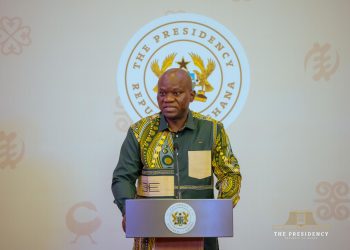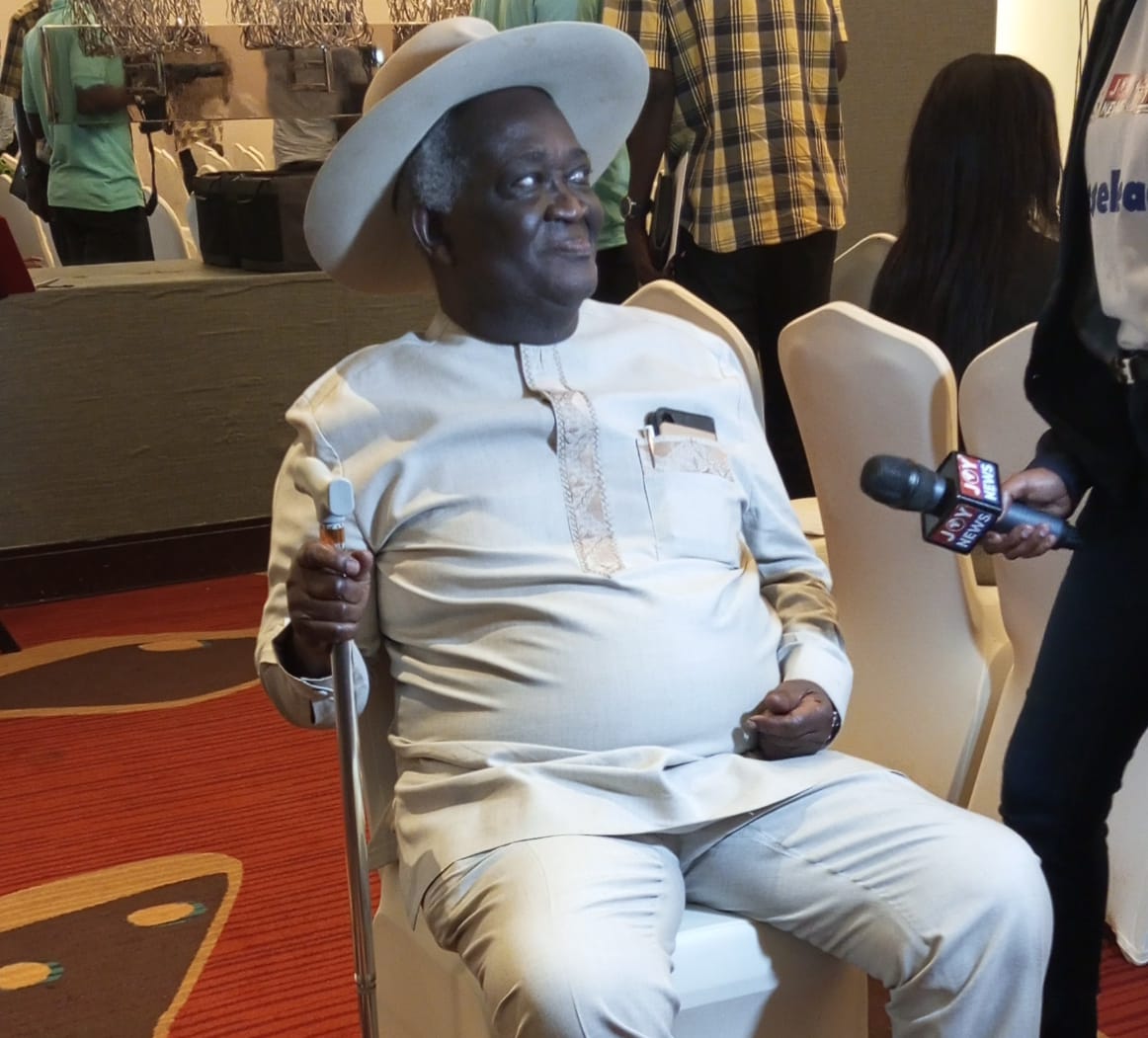
Professor Kwamena Ahwoi has cautioned that while electing Metropolitan, Municipal and District Chief Executives (MMDCEs) is often presented as a solution to Ghana’s governance challenges, it will not by itself stop abuses in the system.
Speaking at the National Dialogue on Decentralisation and Responsive Governance, Prof. Ahwoi said examples of past misconduct should not be used as the sole basis for advocating elections. “If a government wants to abuse the system, it will still find a way,” he noted, insisting that deeper reforms must go beyond how MMDCEs are chosen.
He pointed to the problem of centralised bulk purchasing, stressing that while some central buying makes sense for economies of scale, decisions must reflect local priorities. Recalling his time in government, he shared how a nationwide procurement of refuse trucks backfired.
In the northern region, many of the trucks were quickly converted into water tankers because water, not waste, was the pressing local need. “The lesson is simple: listen to the people before you buy,” he said.
Prof. Ahwoi also addressed the regional tier of governance, noting that Regional Coordinating Councils were deliberately designed to be weak to avoid the risk of decentralisation sliding into federalism or fragmentation.
He warned that history shows how powerful regions can sometimes push toward secession, citing global examples to illustrate his point. For that reason, he said, Ghana must be careful about how much power is devolved and under what conditions.
He further stressed the challenges of Ghana’s hybrid arrangement, where a partisan central government operates through a non-partisan local government system. According to him, stripping the central government entirely of influence could paralyse the implementation of national programmes at the local level.
He urged Ghanaians to abandon what he called the “Father Christmas” mindset of seeing government as a benevolent giver. Instead, citizens must actively demand services, accountability, and fairness in resource allocation. “Communities must press for more, like Oliver Twist, because it is only pressure that ensures equity,” he said.