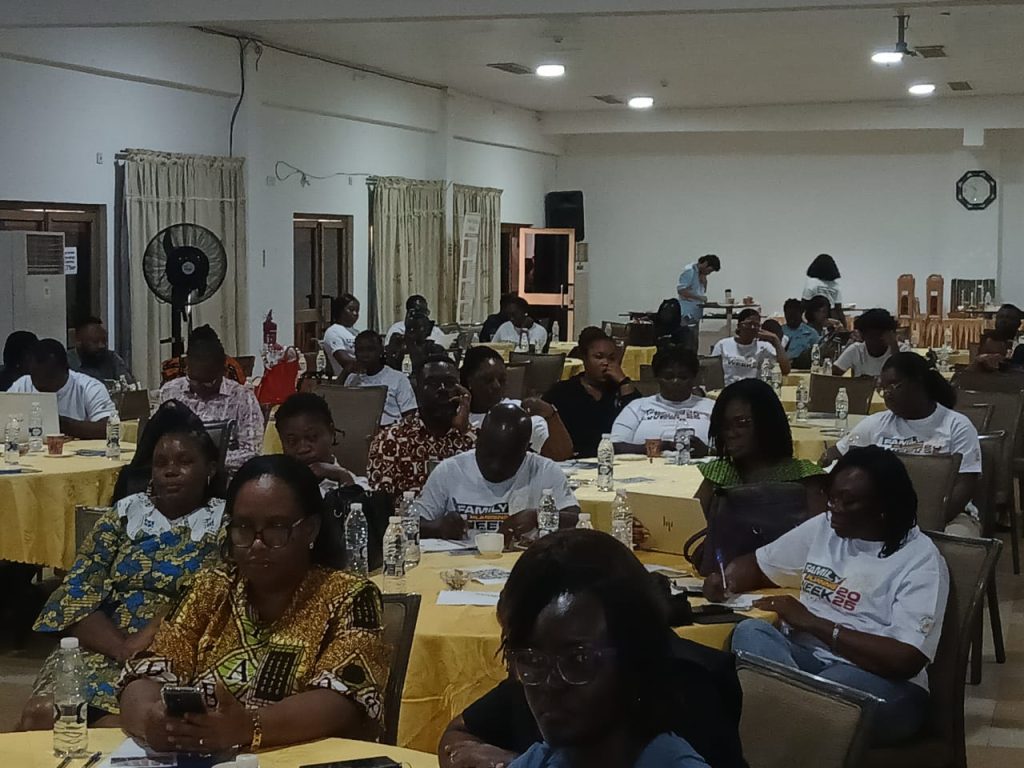
The Ghana Health Service (GHS) has launched the 2025 Family Planning Week celebration with a renewed commitment to ensuring universal access to reproductive health services while strengthening Ghana’s capacity to sustainably finance its family planning programmes.
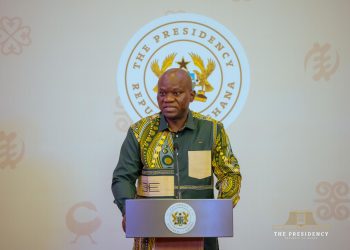
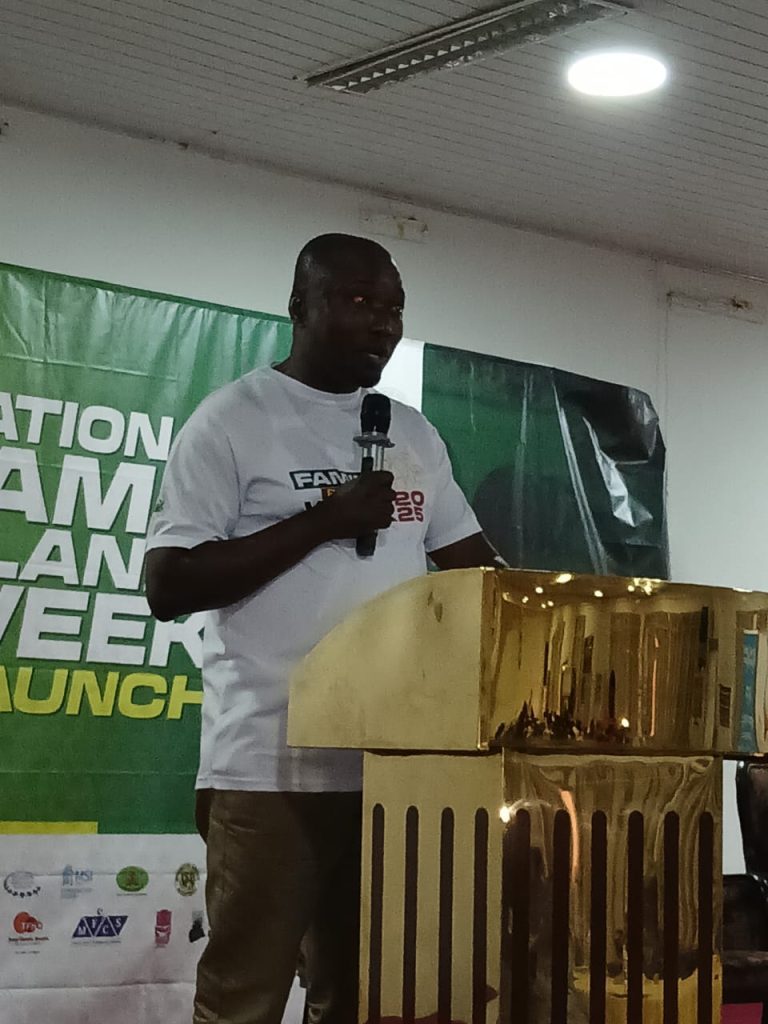
Speaking on behalf of the Director-General of GHS, Prof. Samuel Kaba Akoriyea, at the launch in Accra, Director Institutional Division Ghana Health Dr. Lawrence Ofori-Boadu underscored that this year’s theme, “Empowering Choices, Strengthening Families for Ghana’s Future,” highlights the central role of family planning in health, education, and national development.
Dr. Ofori-Boadu acknowledged Ghana’s progress in expanding access to modern contraceptives, thanks to the commitment of health workers and partners. “From busy hospitals to the most remote communities, our health workers continue to provide family planning services with skill and compassion, ensuring that no one is left behind,” he said.
He, however, cautioned that challenges such as commodity security and declining external funding threaten the sustainability of the programme. While praising the support of partners such as UNFPA and WAHO, he stressed that Ghana must strengthen its own systems. “The reality is that Ghana must finance its own mechanisms to ensure that our family planning programme is never left vulnerable,” he noted.
The Director-General outlined six priority areas for Ghana’s family planning drive: guaranteeing voluntary access to reproductive health services; reducing unintended pregnancies and maternal health risks; expanding education and economic opportunities through affordable contraceptives; empowering youth with information and services; ensuring equity across regions and social groups; and fostering shared responsibility among men, families, and policymakers.
Adding his voice, the Director of Family Planning at GHS, Dr. Kennedy Brightson reaffirmed that access to family planning is a fundamental human right central to the Sustainable Development Goals. He said family planning empowers individuals, especially women, to make informed choices that improve maternal and child health while building stronger, more resilient communities.
“Every pregnancy, every parent, and every child must be safe, and every child must have an equal opportunity in life. Ensuring access to family planning is not only about health—it is about rights, equity, and sustainable development,” Dr. Ofori-Boadu stressed.
He commended the Ministry of Health and GHS for efforts to increase funding for family planning commodities under Ghana’s FP2030 commitments while also recognizing the tireless contributions of frontline health workers.
He further praised the World Health Organization for its technical and capacity-building support, which in the past year included training over 500 service providers and students in long-acting reversible contraception, distributing 2,000 copies of its medical eligibility criteria guide, and integrating family planning lessons into the GHS Learning Platform for hybrid training.
Both officials emphasized the importance of inclusivity, youth-friendly services, and breaking down cultural and financial barriers to ensure equitable access. They also reaffirmed the collective responsibility of government, development partners, civil society, and communities in advancing Ghana’s family planning agenda.
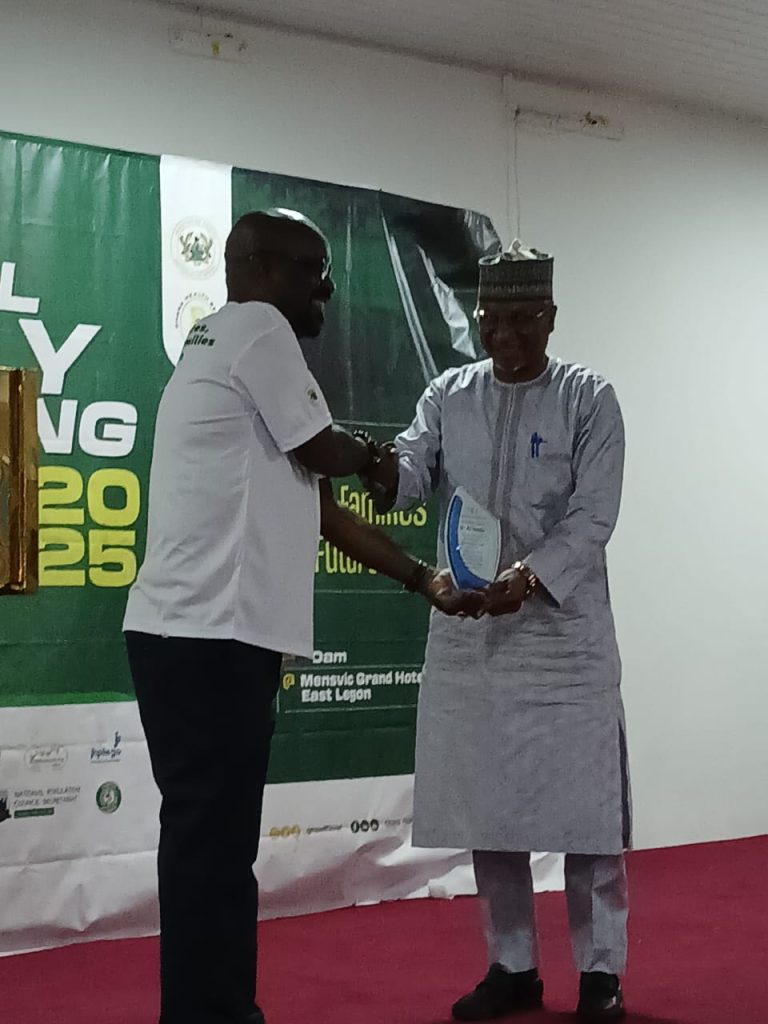
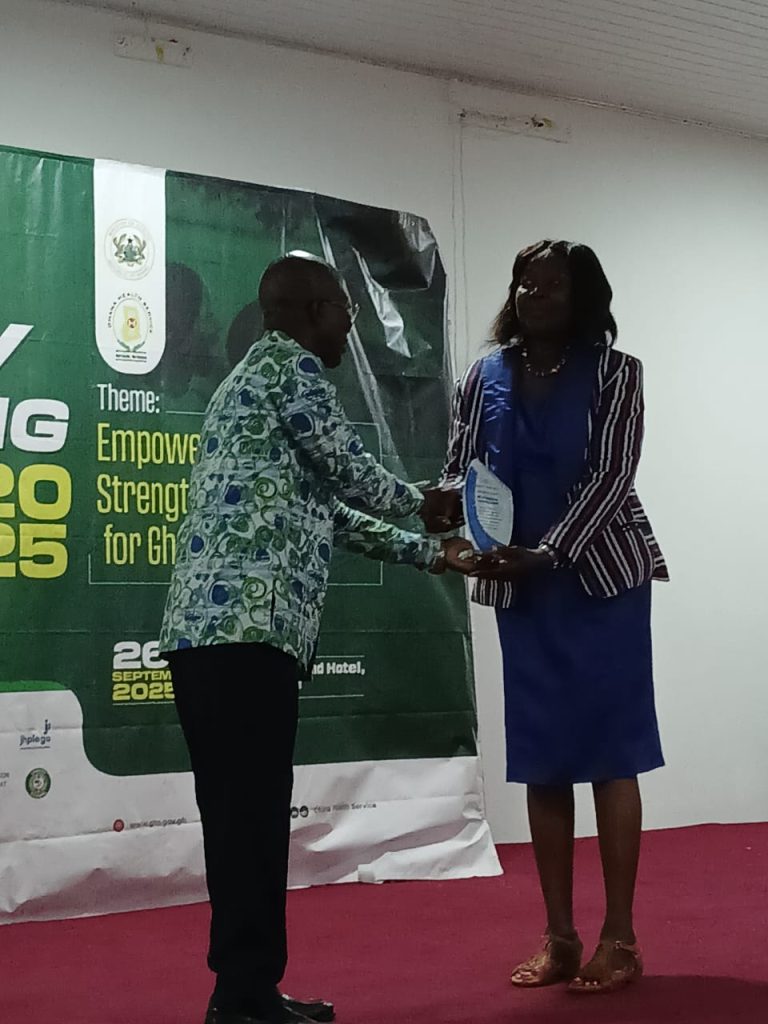
Some staff were given awards for their outstanding and dedicated leadership in health service delivery, especially with family planning.
Story by Osman Issah Abadoo