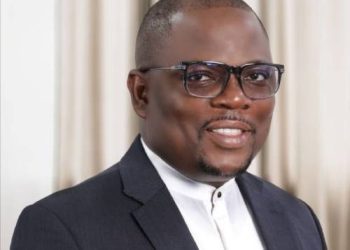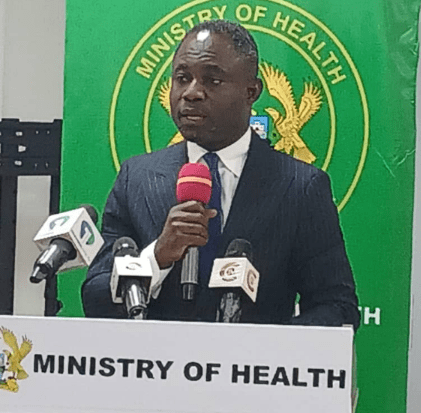
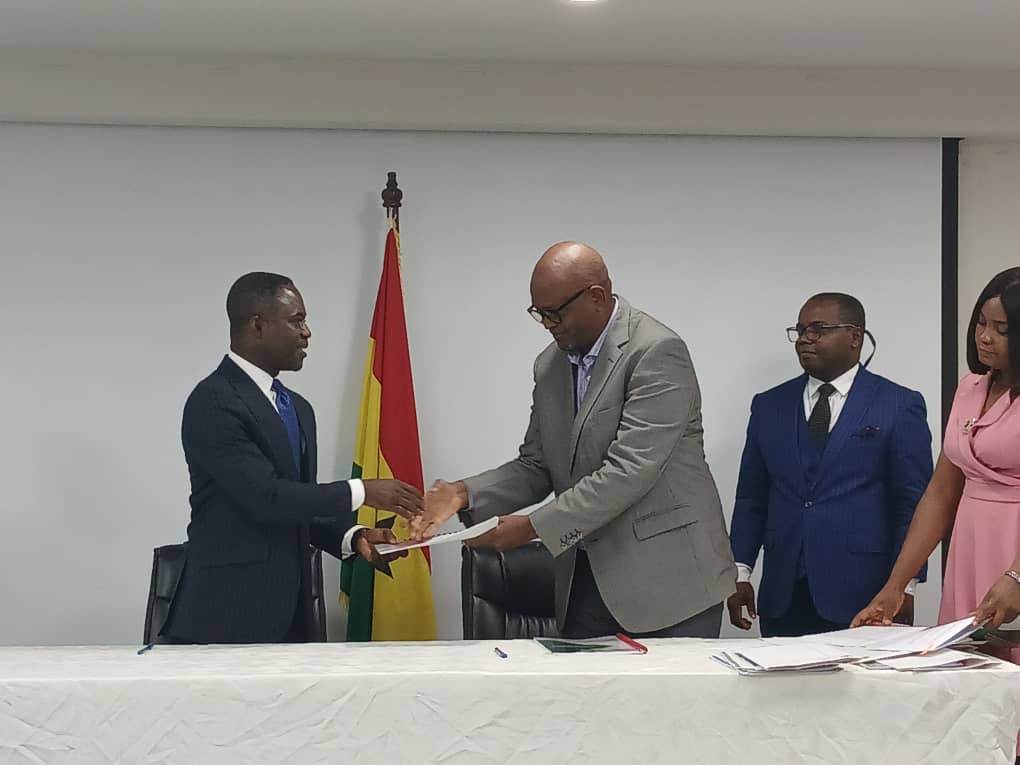
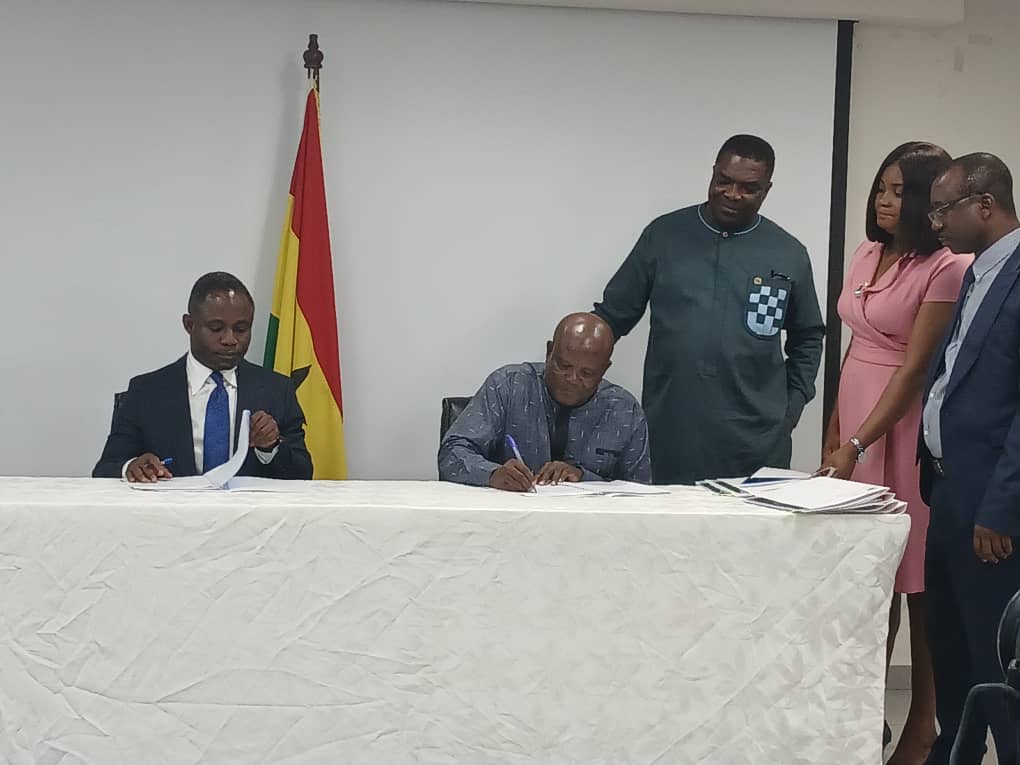
The Minister for Health, Hon. Kwabena Mintah Akandoh has signed performance contracts with Chief Executive Officers (CEOs) and Board Chairpersons of government health facilities aimed at improving accountability, efficiency, and measurable results across Ghana’s health sector.
Speaking at the ceremony in Accra, the Minister described the exercise as “a defining step in building a stronger, more resilient, and responsive health system for the people of Ghana.”
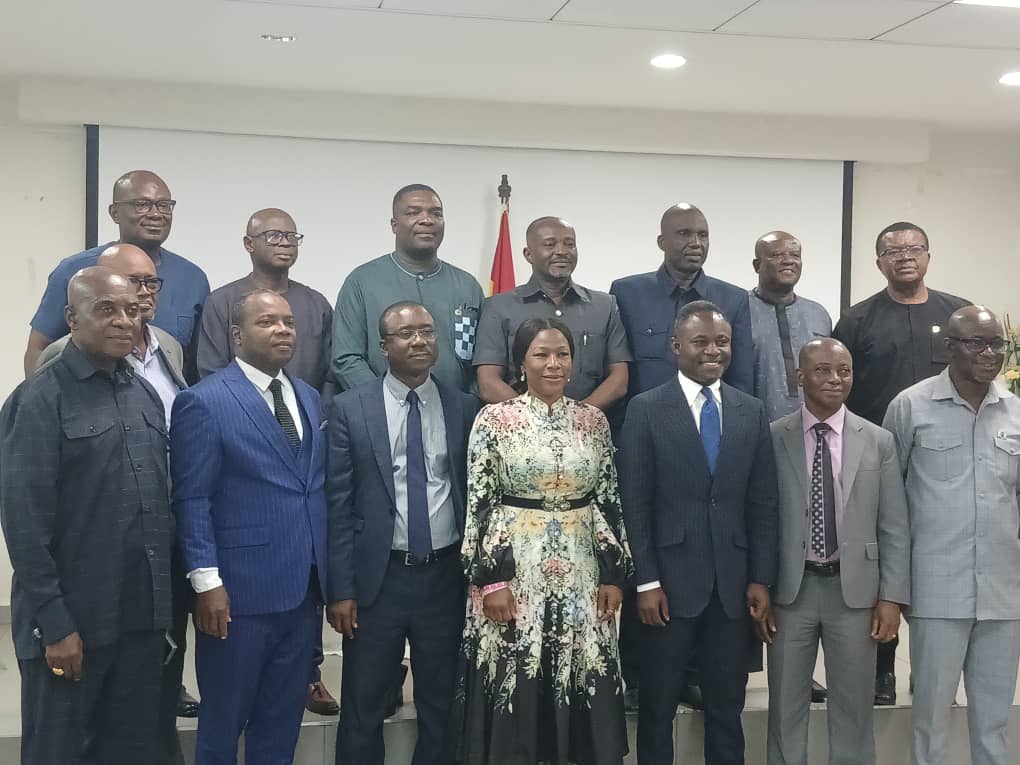
He explained that the newly introduced Performance Management System would not be a routine administrative tool but a strategic reform designed to align the Ministry’s vision with the mandates of its agencies.
“This framework is about discipline, focus, and delivery. It ensures that the policies we make are translated into real results, that resources are effectively utilized, and that leadership at every level is exercised with integrity and accountability,” he said.
The Minister emphasized that success under the new system would be measured by outcomes and impact, not intentions. Agencies that achieve 60 percent or higher of their targets will be rated satisfactory, while those that fall short will be required to undergo remedial measures.
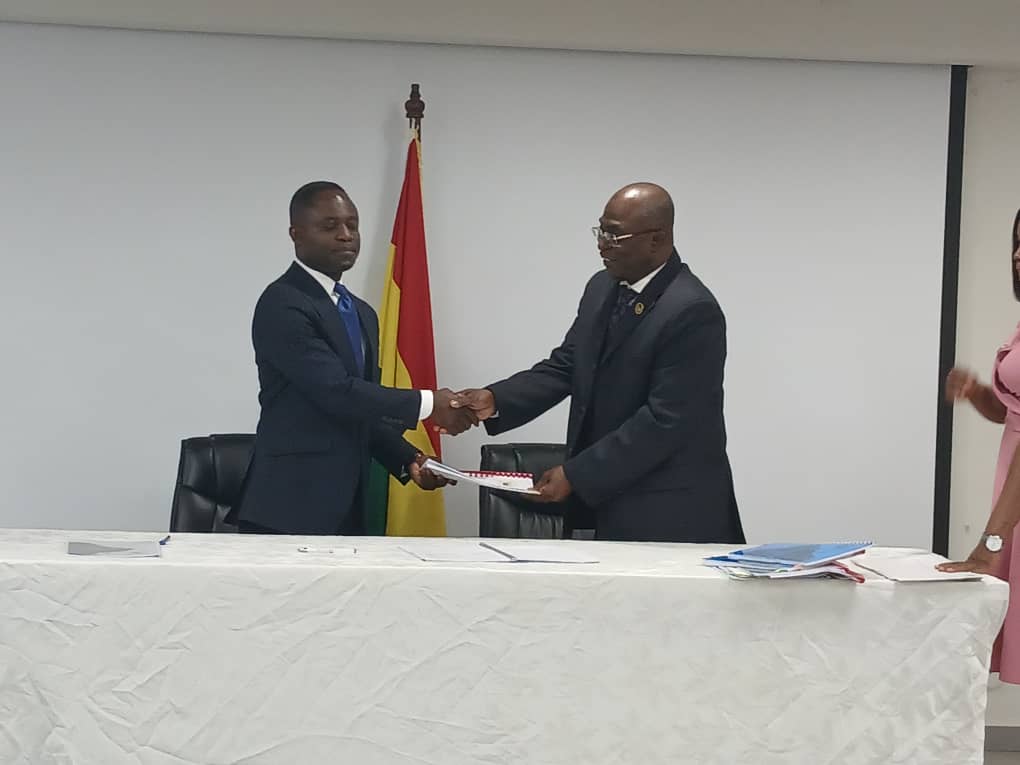
According to him, the contracts—which span from January 1, 2025, to December 31, 2026—will undergo annual reviews to ensure alignment with emerging national priorities. The Chief Director of the Ministry will lead the oversight process to guarantee transparency and fairness.
“Leadership without trust is not a privilege. Trust must be earned and renewed through consistent delivery,” Hon. Akandoh stressed.This is how we build a ministry that truly works not through isolated efforts or rhetoric but through collaboration, consistency, and performance.”
The Health Minister also announced a major policy under consideration aimed at addressing the sustainability of medical equipment across health facilities.
He noted that although the government often invests heavily in procuring medical equipment, the lack of a structured maintenance and replacement plan has made the system unsustainable.
“We are working on a centralized equipment placement and maintenance model. This will ensure that every district, regional, and teaching hospital has standard equipment and that vendors will be responsible for maintaining and training staff to use them,” he disclosed.
Under the proposed plan, the government will continue to recruit and manage healthcare professionals, while private partners (vendors) will supply and maintain the equipment. Payments for such services will be managed through a special arrangement with the National Health Insurance Scheme (NHIS).
Hon. Akandoh added that government investments will focus primarily on primary healthcare facilities, such as CHPS compounds and health centres, while district and regional hospitals will benefit from partnerships with private sector players connected to equipment manufacturers.
He explained that achieving a massive nationwide upgrade in health infrastructure and equipment would require between GHS 24 billion and GHS 30 billion, hence the need for innovative partnerships.
The Minister commended agencies under the Ministry of Health, including the Traditional Medicine Practice Council and the Health Facilities Regulatory Agency (HeFRA), for their efforts to ensure quality and discipline within the health sector.
He, however, urged the Food and Drugs Authority (FDA) and other regulatory bodies, including the Mortuary Facilities Agency (MUFA), to step up their enforcement roles.
“There are many unregulated mortuaries in the country that pose serious health risks. We must not shy away from enforcing the law. Leadership requires courage to do what is right,” he stated.
Some of the CEOs who were present to sign the contracts included Dr. Paa Kwesi Baidoo, CEO of Komfo Anokye Teaching Hospital, Kumasi; Dr. Abdul-Samed Tanko, CEO of the University of Ghana Medical Centre (UGMC); Dr. Yakubu Seidu Adam, CEO of Korle Bu Teaching Hospital; and Dr. Abubakari Bawa Abĺdulai, CEO of Tamale Teaching Hospital, CEO Sunyani Hospital, and the CEO of Cope Coast Hospital, among others.
Story by Osman Issah Abadoo