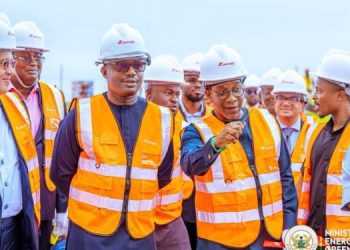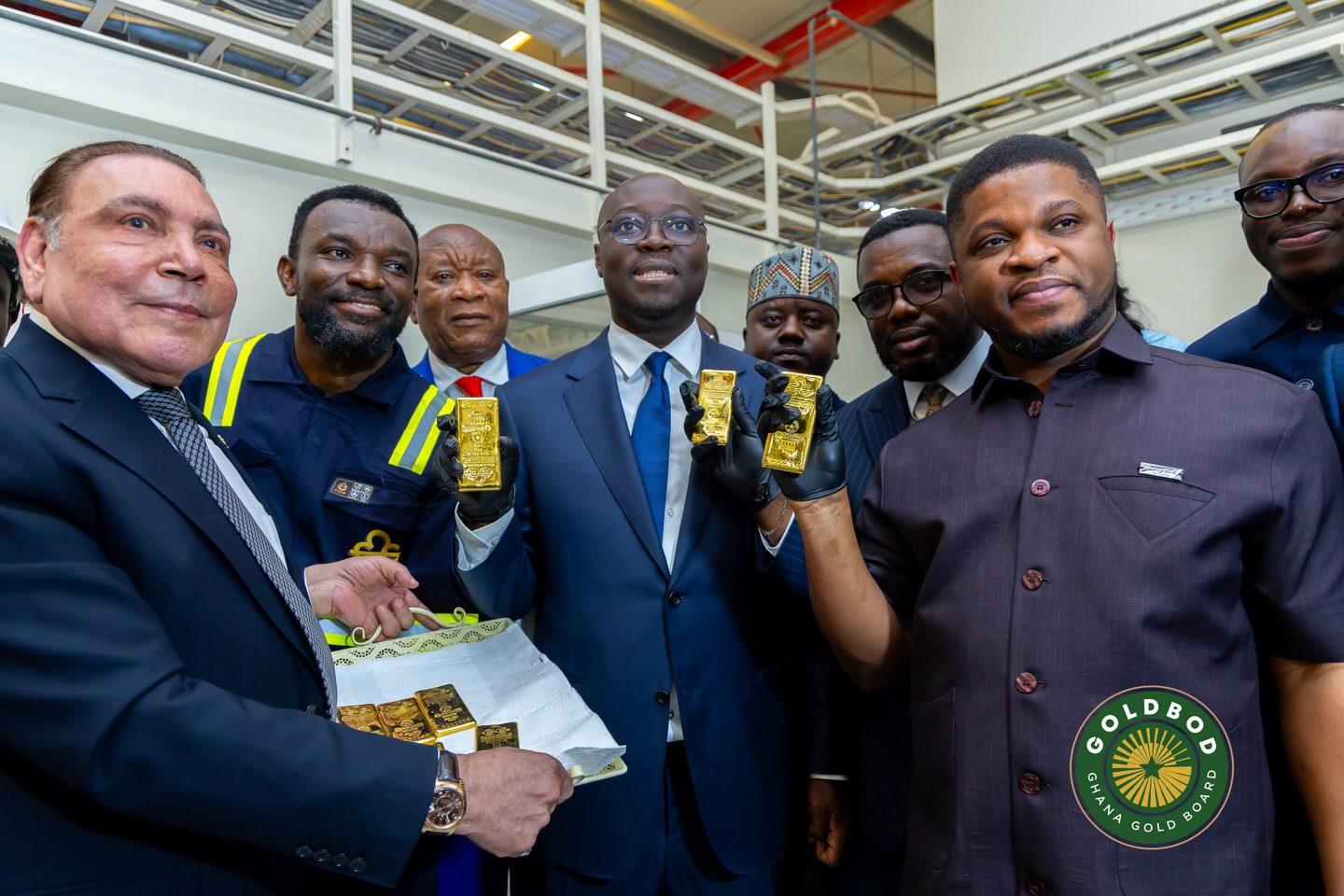
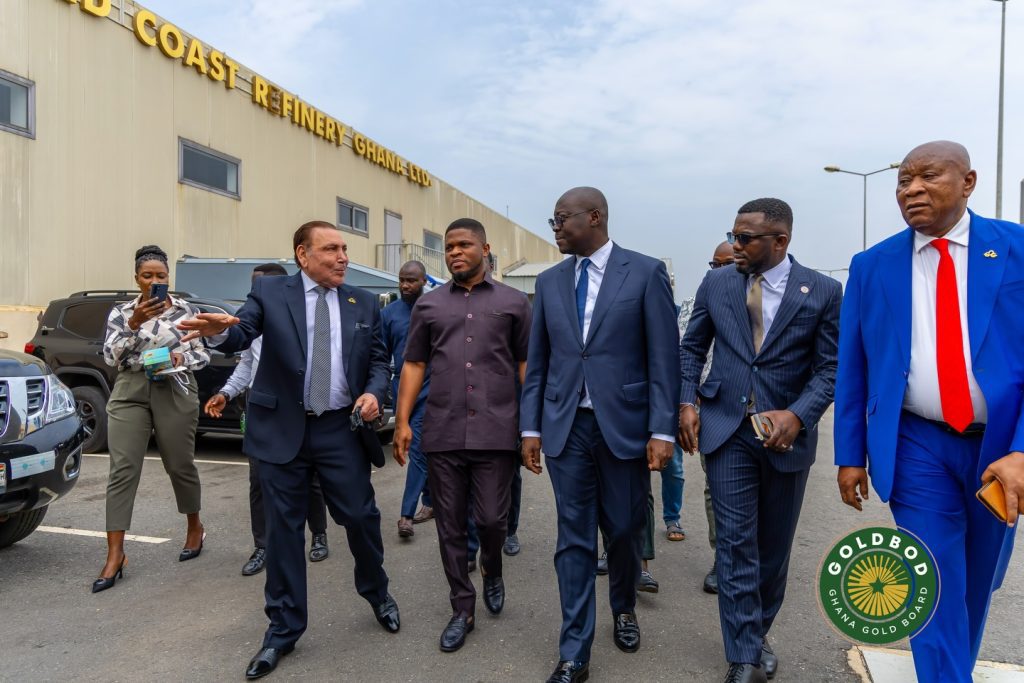
GoldBod Chief Executive Officer Sammy Gyamfi and Finance Minister Dr. Cassiel Ato Forson today toured the Gold Coast Refinery as gold refining operations officially began, marking a significant milestone in Ghana’s long-standing ambitions to add value to its mineral wealth.
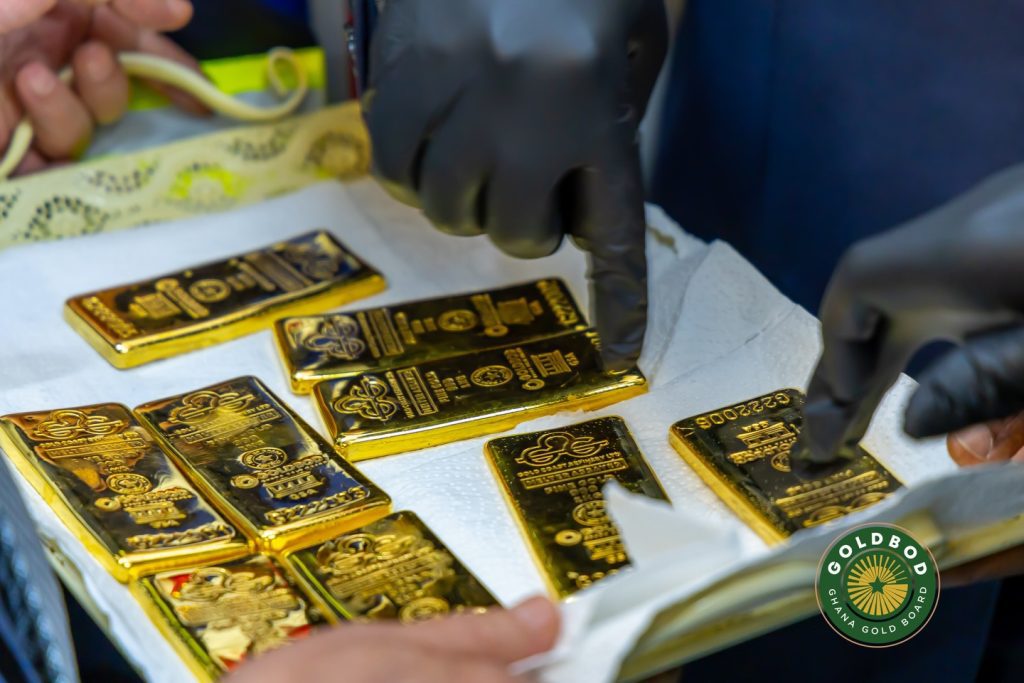
The visit comes on the heels of a landmark agreement signed on January 20, 2026, between the Ghana Gold Board (GoldBod) and Gold Coast Refinery Limited to refine Ghana’s gold locally rather than exporting it in raw form.
Under the deal, GoldBod will supply one metric tonne of gold per week to the refinery, with plans to scale this up to two tonnes weekly, as part of a broader strategy to retain greater economic benefits within the country’s economy.
Speaking to the media after touring the refinery’s facilities, Dr. Forson highlighted the fulfilment of a presidential vision first outlined in 2016, when President John Dramani Mahama inaugurated the facility with a mandate to refine Ghana’s gold. He noted that subsequent administrations failed to implement that vision until the current government returned to office in 2025.
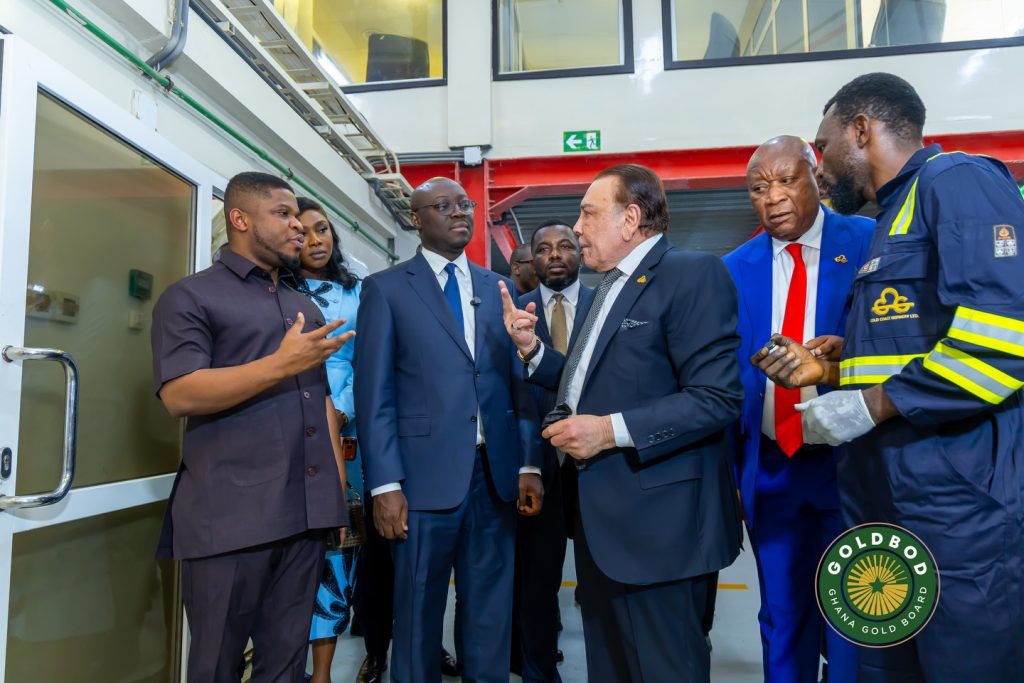
“In January 2025, during His Excellency the President’s first State of the Nation address, he signalled the formation of the Ghana Gold Board,” Dr. Forson said, adding that “Parliament passed the Ghana Gold Board Act earlier in the year, and since then we have been working to buy artisanal and small-scale mining gold for export and refining, to make sure the benefits of Ghana’s gold are enjoyed here at home.”
The Finance Minister described the initiative as “revolutionary” and having transformed the landscape of the gold industry, noting that the Gold Coast Refinery, capable of refining up to two tonnes of gold per day, will begin operations initially with the weekly allocation from GoldBod.
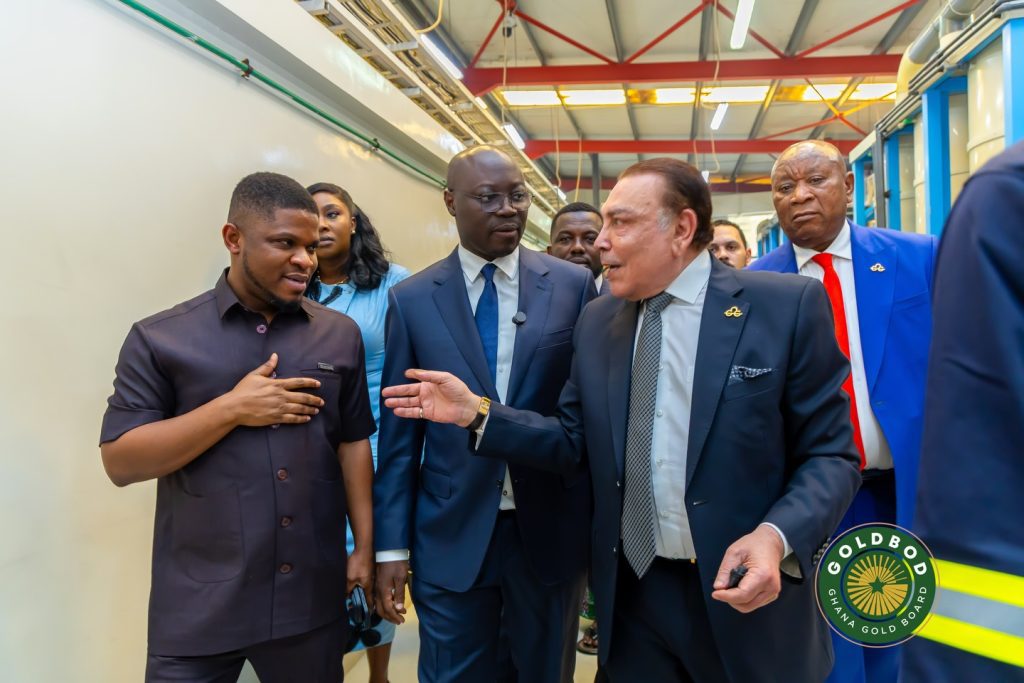
Dr. Forson emphasised that the refinery’s operations are creating jobs and contributing to Ghana’s 24-Hour Economy policy, with approximately 162 workers already employed and extended shifts planned.
Crucially, the Finance Minister underscored that the refinery will enable Ghana to retain refining fees within its borders, capture greater export earnings, and improve the traceability and purity of its gold exports, addressing long-standing concerns that the country had been losing value by sending raw gold abroad for processing.
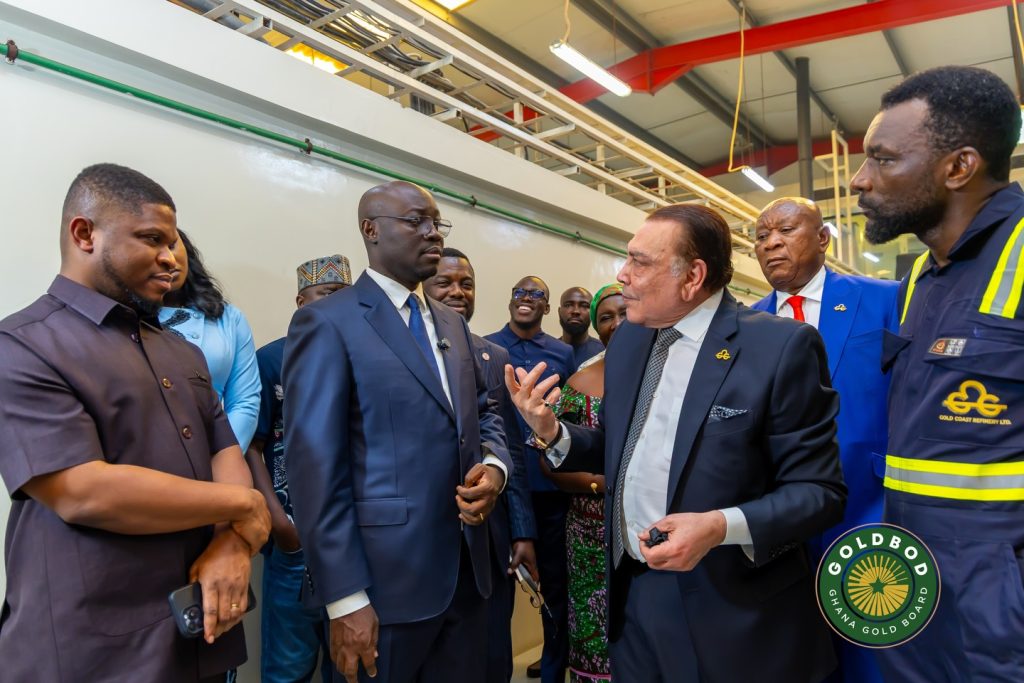
Under the agreement, Ghana also holds a 15 per cent free carried interest in the refinery through GoldBod, reflecting enhanced national participation in the value chain.
The move is a turning point in Ghana’s gold trade, potentially reducing reliance on foreign refineries and boosting the nation’s fiscal position. Ghana is Africa’s largest gold producer, yet for decades the vast majority of its metal, whether from artisanal or large-scale mining, was exported unrefined, leading to significant losses in export value, refining fees, and revenue that could otherwise have stayed within the domestic economy.
The refined bullion is expected to meet international purity standards of up to 99.999 per cent, with each bar to carry hallmarks from GoldBod, the Ghana Standards Authority, the Bank of Ghana and Gold Coast Refinery, enhancing trust in Ghana’s gold on global markets.
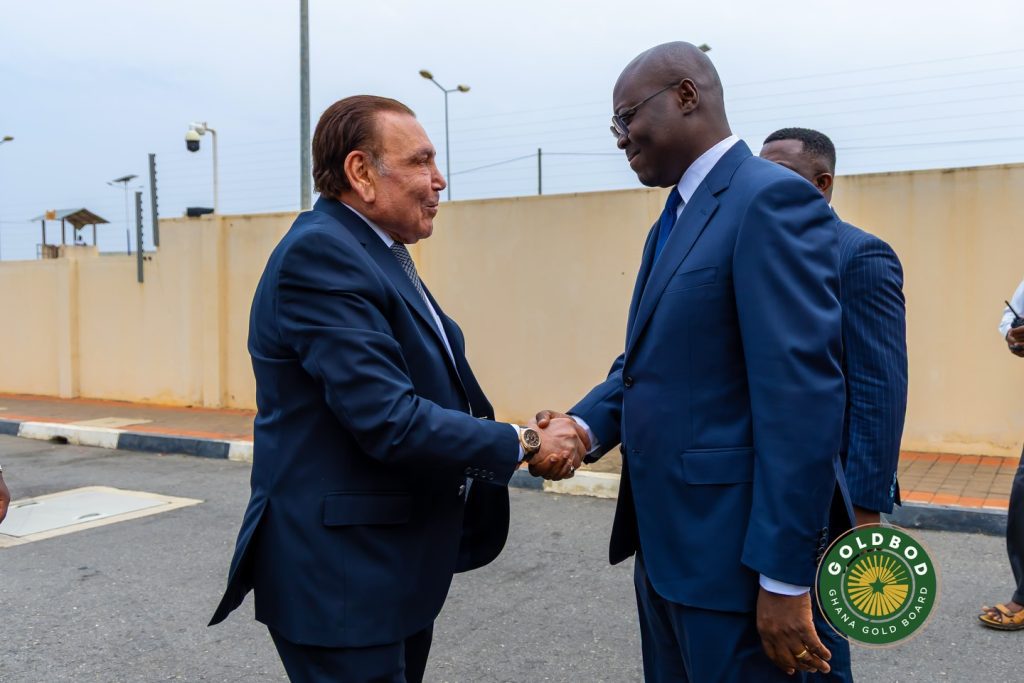
Today’s visit signals the start of commercial refining and Ghana’s broader push to transform its gold sector from one cantered on raw exports to a value-driven industry, with wider implications for jobs, tax revenue, and foreign exchange retention.