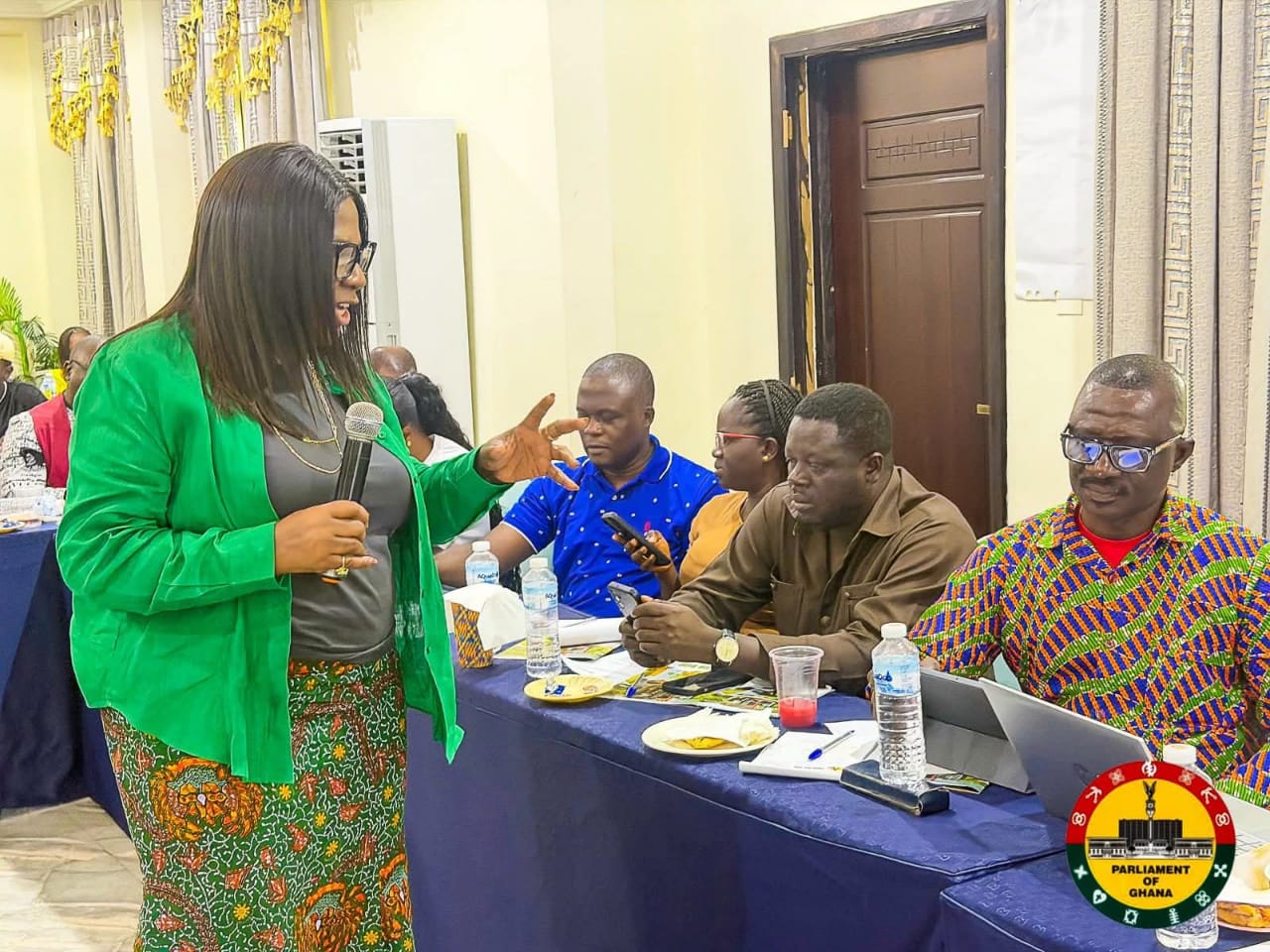
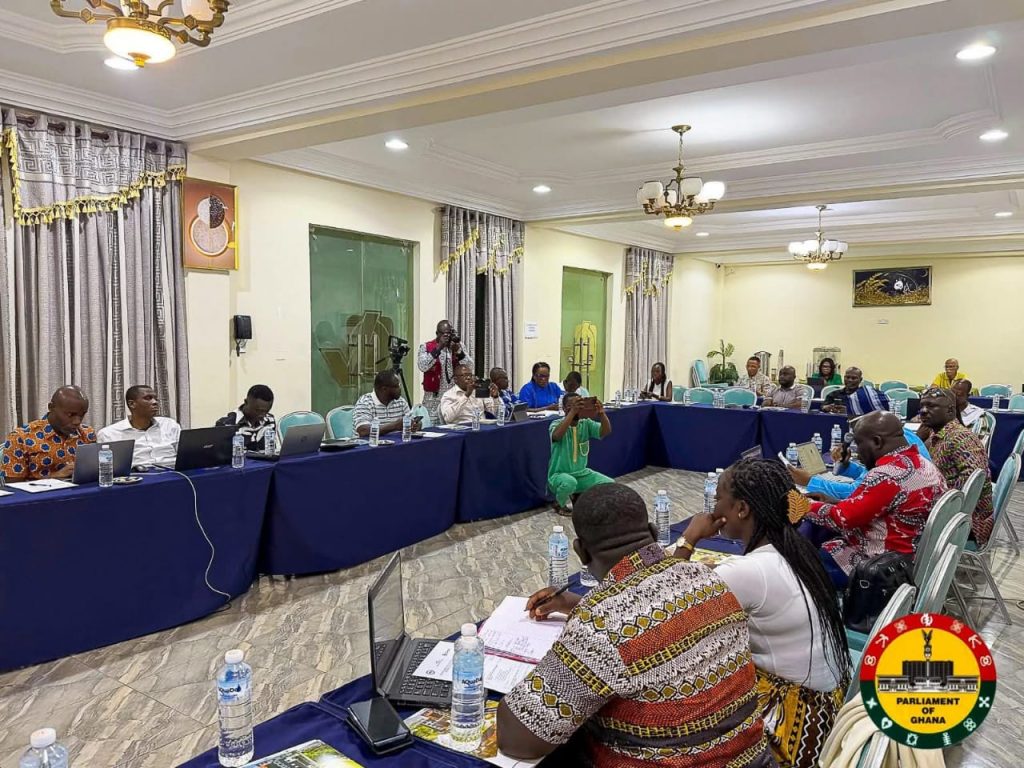
In a move to strengthen fiscal transparency and government accountability, the World Bank and the Foreign Commonwealth and Development Office (FCDO) have concluded a high-level capacity-building workshop for the Parliamentary Press Corps (PPC).
The intensive program was designed to equip journalists, who are recognised as ‘watchdogs’ with the specialized technical skills required to navigate the complexities of Ghana’s public financial management (PFM) systems and provide more rigorous oversight of the national purse.
Decoding the Framework and the Budget
The workshop opened with a deep dive into Ghana’s Public Financial Management Framework, led by Eva Mends, a renowned expert in fiscal policy. Mends provided a comprehensive overview of the legal and institutional structures that govern public funds, emphasizing the critical role of the PFM Act (Act 921) in ensuring fiscal discipline.
In a follow-up session, she transitioned from theory to practice, guiding participants on “How to Read the National Budget Like an Analyst.” She demystified the budget cycle, teaching journalists how to look beyond top-line figures to identify deeper fiscal trends, revenue projections, and the potential for budget overruns.
From Findings to Oversight
The session on Reporting on Audit Findings and Parliamentary Oversight highlighted the vital link between the Auditor-General’s reports and the work of the Public Accounts Committee (PAC). Participants explored how to track “ghost names” on payrolls and identify recurring infractions that signal systemic weaknesses in state institutions.
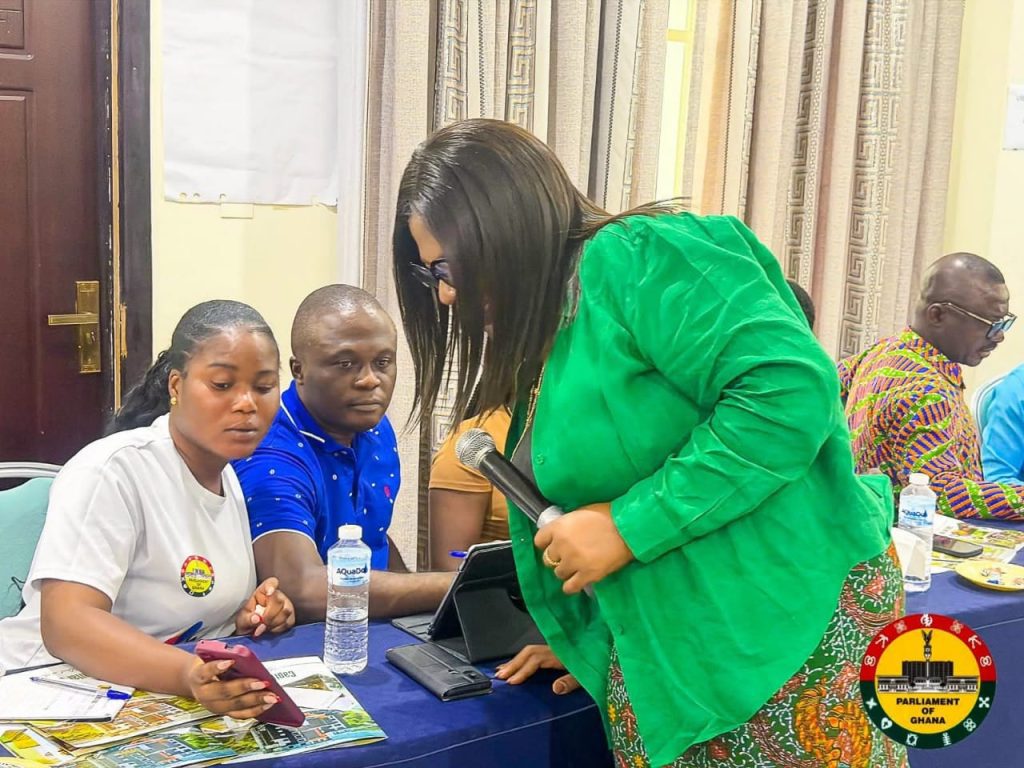
Michael Add, Assistant Auditor General, Ghana Audit Service, Parliament, led the technical sessions on Data-Driven and Investigative Fiscal Reporting. He introduced journalists to modern digital tools and forensic techniques used to trace government expenditure. Addo emphasized that in 2026, investigative journalism must be “evidence-led,” using data to bridge the gap between financial irregularities and administrative accountability.
The Pillar of Ethics
The workshop culminated in a session on Ethics and Responsible Reporting on Public Finance, facilitated by veteran journalist Lloyd Evans. Evans reminded the corps that reporting on the national economy requires a higher standard of integrity.
”The journalist’s role is not just to report numbers, but to be the ethical conscience of the taxpayer,” Evans noted.
He cautioned against sensationalism, urging reporters to provide context and ensure a “right of reply” when investigating public officials.
Why This Workshop Matters
This training comes at a pivotal time in 2026, as Ghana implements the final phases of its 2022–2026 PFM Strategy. With the government pushing for full biometric integration (Ghana Card) to eliminate ghost names and the recent introduction of the PFM (Amendment) Bill 2026, the media’s ability to scrutinize these transitions is more critical than ever.
By bridging the gap between technical financial data and public information, the Parliamentary Press Corps is now better positioned to act as a primary check on executive spending, ensuring that every cedi is accounted for in the pursuit of national development.
Story by Eugenia Ewoenam Osei