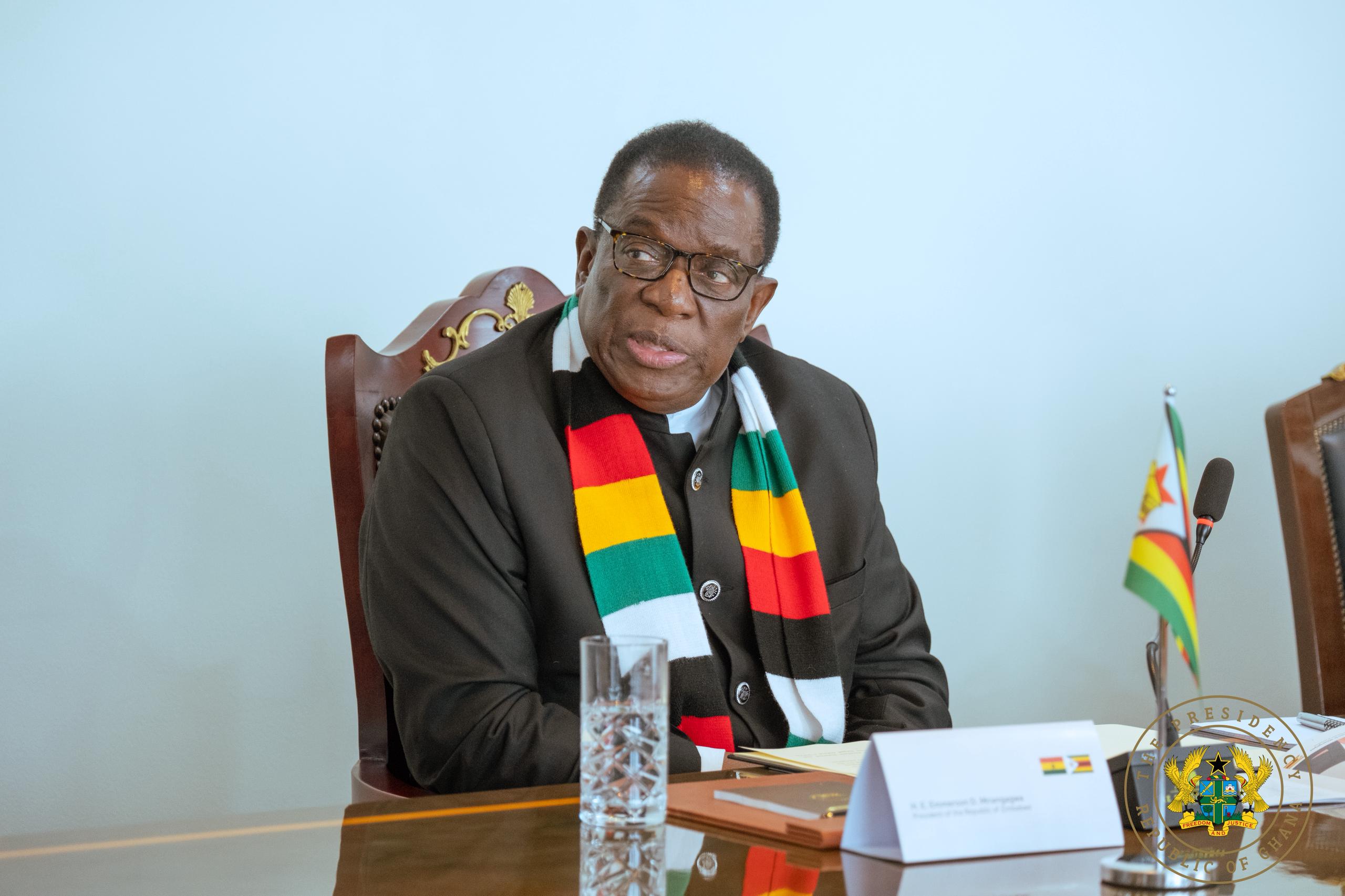
President Emmerson Mnangagwa has reaffirmed the strong historical and diplomatic ties between Zimbabwe and Ghana, calling for deeper cooperation across key sectors to drive mutual development.
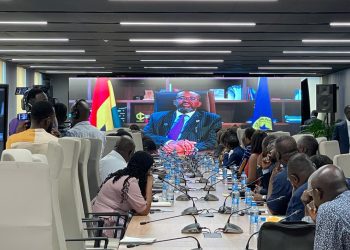
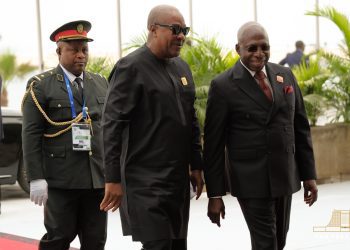
Speaking during a bilateral meeting with President John Dramani Mahama, President Mnangagwa expressed appreciation for the warm reception accorded to him and his delegation.
“It is my singular honour and privilege to pay a state visit to your beautiful and great country,” he said. “I thank you, Your Excellency and dear brother, for the generous hospitality extended to me and my delegation.”
He underscored the deep-rooted relations between the two countries, tracing them to the era of Africa’s liberation struggles following Ghana’s independence in 1957.
“It was here in Ghana where our founding father, the late Robert Gabriel Mugabe, had his ideological consciousness sharpened,” he noted, adding that Ghana played a pivotal role in supporting Zimbabwe’s liberation efforts.
“Zimbabwe is forever indebted to Ghana for providing military training to liberation cadres and extending moral, political, diplomatic and material support,” he said.
President Mnangagwa highlighted the contributions of Ghanaian professionals to Zimbabwe’s early development, citing doctors, judges, educators, and diplomats who played key roles in building institutions after independence.
He commended notable figures such as Judge Roger Korsah and Ambassador Moses Debrah, as well as Jane Naana Opoku-Agyemang, for their contributions to Zimbabwe’s development and academic sector.
Describing the visit as a “golden opportunity,” the Zimbabwean leader welcomed the progress made under the Joint Permanent Commission on Cooperation (JPCC), noting that it has created a platform to expand collaboration.
“We are pursuing ways to deepen cooperation in sectors such as energy, industrial development, trade, tourism, labour, and heritage,” he said.
He emphasized opportunities under the African Continental Free Trade Area, urging both countries to leverage the framework to boost trade and investment.
“In mining, it is incumbent upon us to consolidate knowledge sharing on sustainable extraction and value addition so that we maximise returns for our people,” he stated.
President Mnangagwa also called for strengthened collaboration in agriculture, education, and healthcare, including manpower exchange programmes for medical professionals and enhanced research partnerships.
On tourism, he praised Ghana’s initiatives to promote African unity and travel, including the Trans-African Tourism and Unity Campaign, and highlighted the potential of linking destinations such as Victoria Falls and Cape Coast.
“This is a reflection of what we can achieve together as Africans,” he said, adding that Zimbabwe is open to increased tourism and cultural exchange.
The President also revealed plans for the Museum of African Liberation, inviting Ghana to utilise a dedicated space to showcase its historic contributions to Africa’s liberation.
“The importance of telling our own stories as Africans through our own lenses must continue to be emphasized,” he stressed.
On international matters, President Mnangagwa announced Zimbabwe’s bid for a non-permanent seat on the United Nations Security Council for 2027–2028, and expressed gratitude to Ghana for its support.
He further thanked Ghana for advocating the removal of sanctions imposed on Zimbabwe, describing them as unjust and harmful.
“Despite these sanctions, Zimbabwe remains resilient, recording significant development milestones across all sectors,” he said.
President Mnangagwa also commended Ghana’s leadership on historical justice, particularly its role in advancing a United Nations resolution recognizing the transatlantic slave trade as a crime against humanity.
“This landmark initiative will undoubtedly advance the global reparatory agenda,” he noted.
He concluded by reaffirming Zimbabwe’s commitment to strengthening ties with Ghana.
“Let us seize this moment to reaffirm our shared commitment to development, peace, prosperity, and enduring friendship between our two countries,” he said.
Story: Patrick Asford Boadu