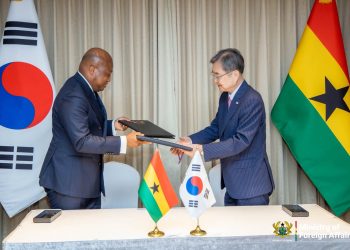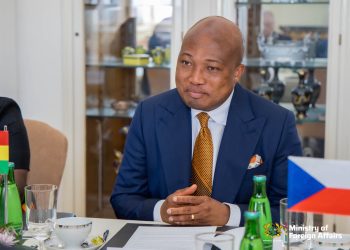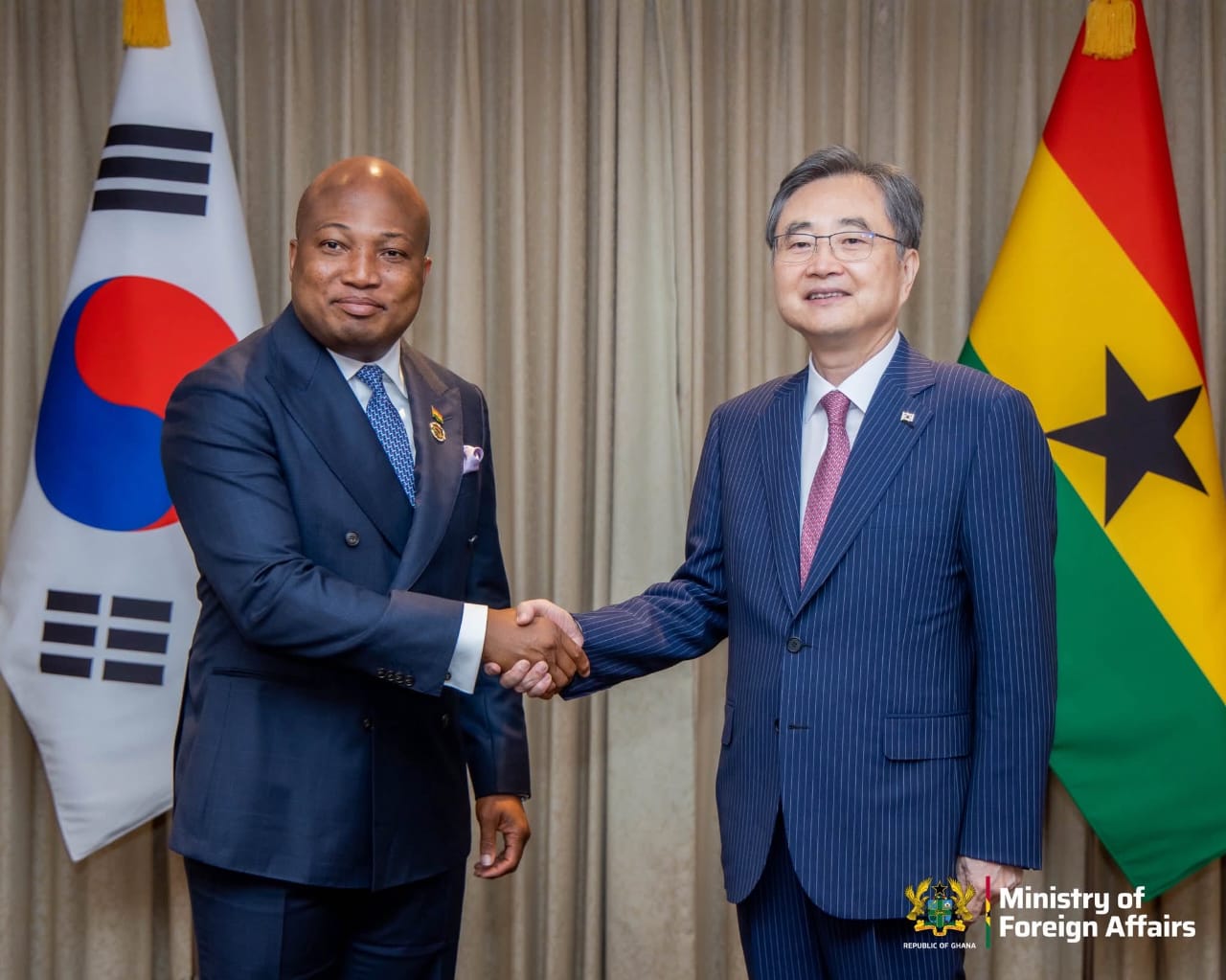
Ghana’s Minister for Foreign Affairs, Samuel Okudzeto Ablakwa, has called for deeper and more practical cooperation between Africa and South Korea, urging both sides to transform the momentum generated by recent diplomatic engagements into tangible development outcomes.
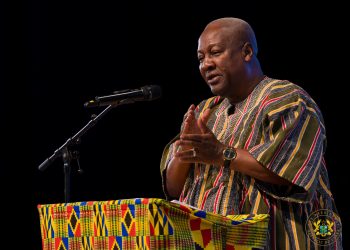
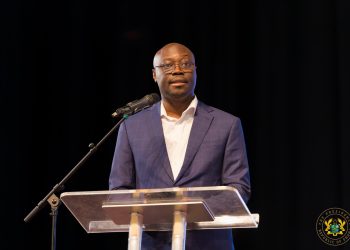
Speaking at the opening of the 2026 Korea–Africa Foreign Ministers’ Meeting in Seoul, Hon. Ablakwa commended the Republic of Korea for proceeding with the gathering despite concerns surrounding Ebola outbreaks in some African countries. He described the decision as a powerful demonstration of solidarity and a rejection of the stigmatization often faced by African nations during public health crises.
The Ghanaian foreign minister also expressed profound appreciation for Korea’s support of the landmark United Nations resolution which recognizes the transatlantic enslavement of Africans as one of the gravest crimes against humanity. He noted that Korea’s support, alongside 123 other UN member states, had been warmly received by Africans and people of African descent worldwide.
Hon. Ablakwa emphasized that Africa–Korea relations have evolved into a strategic partnership grounded in mutual respect, shared prosperity, sustainability, and solidarity. He urged both sides to move beyond traditional development cooperation models and pursue transformative economic partnerships capable of creating jobs, promoting technology transfer, and strengthening productive capacities across the African continent.
He identified trade and investment, infrastructure development, technology, education, agriculture, renewable energy, climate resilience, public health, and industrialization as key sectors for expanded collaboration. According to him, cooperation in these areas should be aligned with the aspirations of Africa’s Agenda 2063, particularly the goals of industrialization, regional integration, and youth empowerment.
The minister highlighted Africa’s demographic advantage, noting that the continent’s population of approximately 1.4 billion people and median age of 19.5 years present significant opportunities for economic growth and innovation. He called on Korean partners to support Africa’s industrialization drive through investments that promote local value addition, resilient supply chains, and regional economic integration.
Emerging sectors such as digital technology, e-government systems, green growth initiatives, critical minerals, vocational education, and health systems strengthening were also identified as promising areas for future cooperation. Ablakwa said these sectors offer opportunities for innovation-driven growth while helping African countries build resilience against global economic and environmental challenges.
He praised institutions such as the Korea International Cooperation Agency and the Korea-Africa Foundation for their contributions to capacity building, technical cooperation, infrastructure development, and knowledge sharing across the continent.
On global governance, the minister reiterated Africa’s support for comprehensive reforms of the United Nations system and called for stronger collaboration with Korea on multilateral reform initiatives. He disclosed that discussions had already begun with Korean officials on advancing consensus-based approaches to international governance reforms.
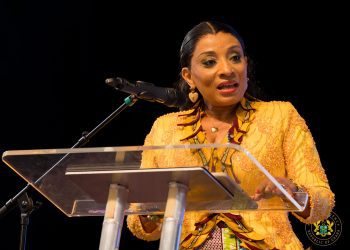
Ablakwa also acknowledged the efforts of Korean leaders in strengthening ties with Africa, commending Prime Minister Kim Min-sook for prioritizing engagement with the continent. He further praised Ambassador Kojo Choi, describing him as a symbolic bridge between Korea, Ghana, and Africa.
The meeting is expected to build on the outcomes of the 2024 Korea–Africa Summit and chart a path toward practical, resource-driven cooperation that delivers measurable benefits for both Africa and Korea.
Delegates expressed optimism that the discussions would strengthen economic, political, and development partnerships, paving the way for a more sustainable, inclusive, and mutually beneficial Africa–Korea relationship.
Story By: Eric Boateng (SEOUL, SOUTH KOREA)