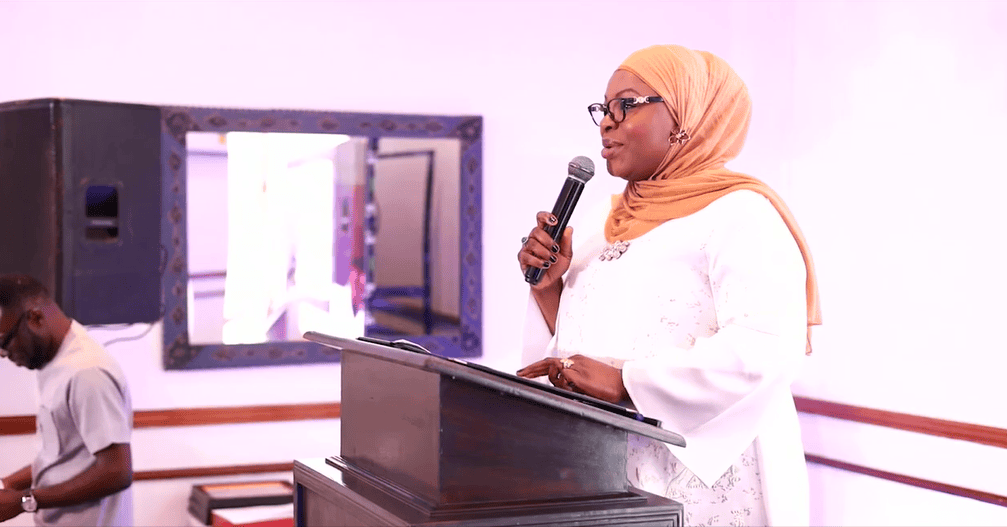
Deputy Government Spokesperson Shamima Muslim has underscored the critical role of specialised journalism in strengthening transparency, accountability and the responsible governance of Ghana’s natural resources, arguing that the country’s economic transformation depends on an informed media capable of reporting the extractive sector with accuracy and integrity.
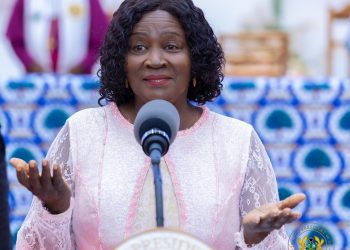
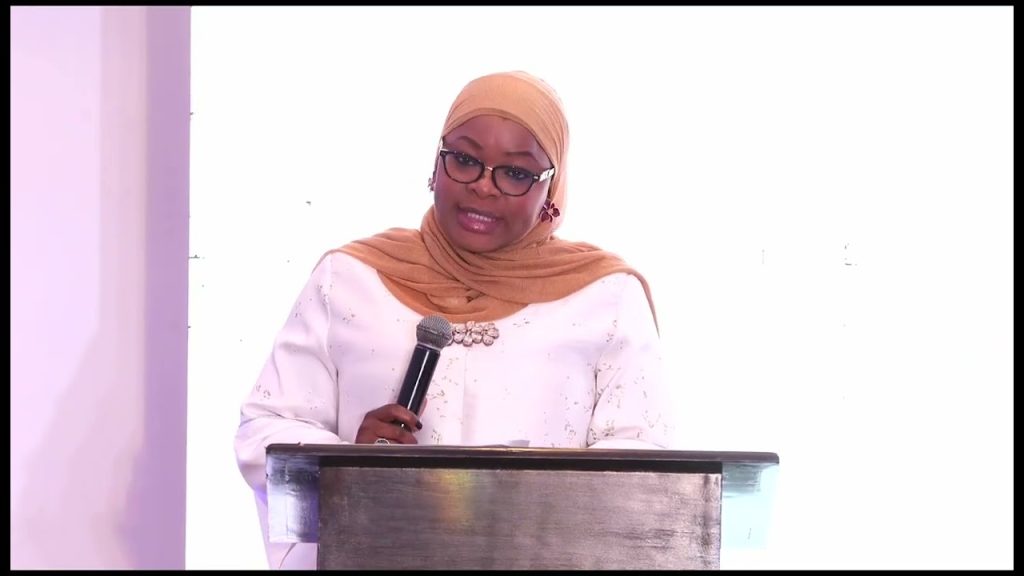
Delivering the keynote address on behalf of President John Dramani Mahama at the graduation of the inaugural cohort and the launch of the second cohort of the Africa Extractives Media Fellowship (AEMF), Ms Muslim described the programme as a strategic investment in democratic governance rather than simply a journalism training initiative.
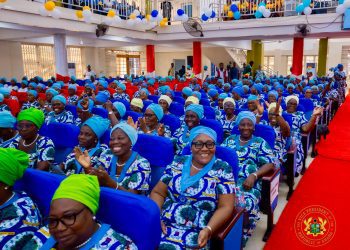
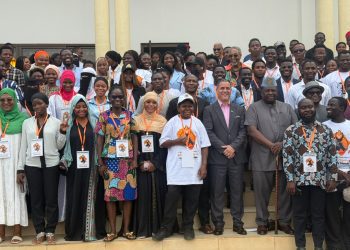
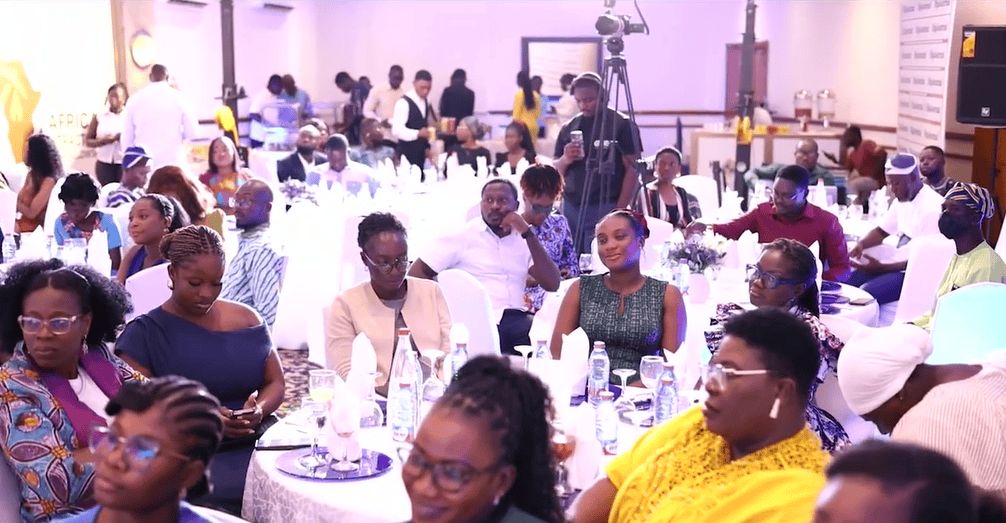
The event celebrated the graduation of 20 Ghanaian journalists who completed six months of specialised training in extractives reporting, while simultaneously inaugurating 50 new fellows, the largest single intake of extractives-focused journalism trainees in Ghana’s history.
Conveying President Mahama’s congratulations to the graduating fellows, she also commended Newswire Africa and the Australian High Commission in Ghana for establishing a programme that she said is strengthening journalism, promoting accountability and advancing the responsible management of Ghana’s natural resources.
According to Ms Muslim, Ghana’s mining, oil, gas and critical minerals sectors remain among the country’s most important economic pillars, contributing significantly to export earnings, public revenue, foreign exchange generation and employment. However, she stressed that the sector’s full potential can only be realised when public discourse is driven by verified facts, credible data and informed analysis rather than speculation or sensationalism.

“This is precisely why the Africa Extractives Media Fellowship is so very important,” she said, explaining that journalists equipped with technical knowledge and ethical grounding are better positioned to promote evidence-based reporting that serves the national interest.
She said the fellowship aligns with President Mahama’s Resetting Ghana Agenda for Jobs, Accountability and Shared Prosperity, noting that a skilled media contributes to stronger public policy discussions, encourages responsible investment and enhances democratic oversight of the extractive industry.
Ms Muslim argued that journalists who understand complex issues such as mining operations, petroleum governance, environmental regulation, fiscal regimes and revenue management are better able to scrutinise policies, interrogate data and hold both public institutions and private companies accountable.
She further maintained that Ghana’s natural resources should benefit both present and future generations, adding that achieving this objective requires an informed citizenry supported by accurate, balanced and solutions-oriented journalism.

Describing the fellowship as an investment in stronger institutions and better governance, she urged journalists to elevate facts above speculation and ensure that conversations about the extractive sector remain focused on sustainable development, environmental stewardship, community welfare and inclusive economic growth.
The Deputy Government Spokesperson also highlighted the programme’s deliberate focus on increasing women’s participation in specialised journalism, noting that the fellowship targets at least 60 per cent female participation.
She observed that although women continue to face structural barriers to leadership and permanence within Ghana’s media industry, greater female participation in specialised reporting is enriching national conversations on issues affecting communities.
“By equipping them, this fellowship is not giving women a favour. It is giving Ghana a fuller, fairer and more truthful national conversation,” she stated.
While acknowledging Ghana’s improvement in the 2026 World Press Freedom Index, where the country moved from 52nd in 2025 to 39th globally, Ms Muslim cautioned that international rankings alone do not guarantee accountability.
“A press that understands the extractive sector is not a threat to government. It is a democratic asset,” she said, stressing that informed journalism strengthens transparency, attracts responsible investment and ensures that Ghana’s natural wealth benefits all citizens rather than a privileged few.
Addressing the graduating fellows, she challenged them to reject sensationalism and instead pursue evidence, fairness and integrity in their reporting.
“The public trust you can earn through your work, that will be the greatest reward,” she told them, urging both graduating and incoming fellows to uphold truth, strengthen accountability and serve the national interest throughout their careers.