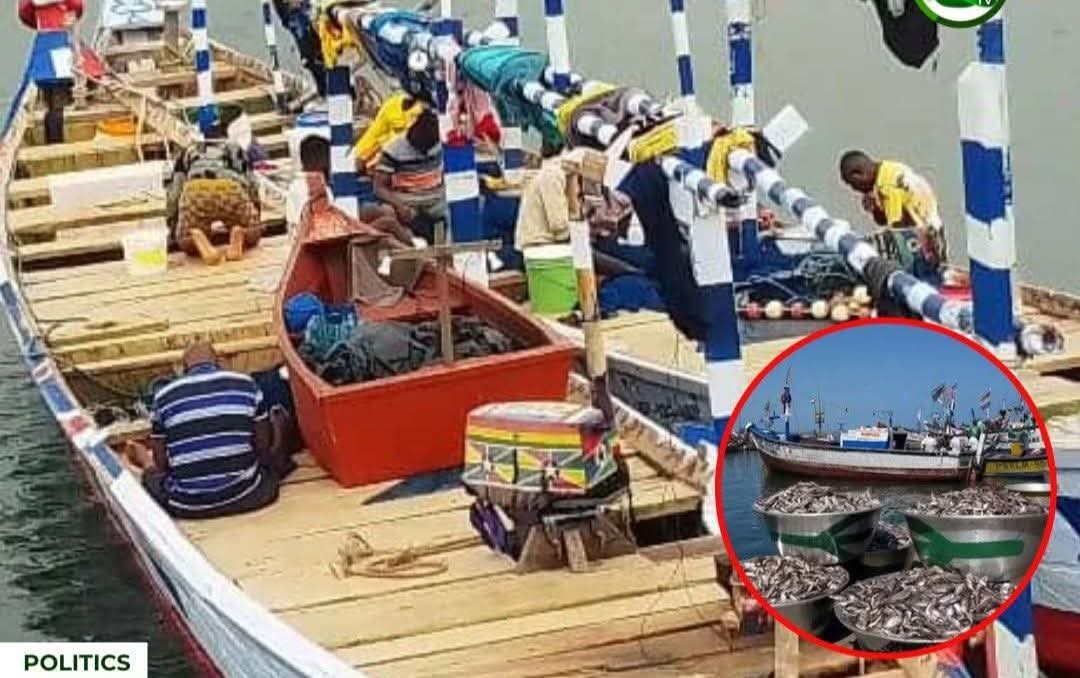
Aspiring National Vice Chairman of the National Democratic Congress (NDC), Dr. Edem Segbefia, has highlighted what he described as major reforms and interventions by the administration of President John Dramani Mahama to revive Ghana’s fisheries and aquaculture sector.
According to Dr. Segbefia, the government’s interventions are changing the fortunes of fisherfolk, fish processors, traders and young people engaged in aquaculture, while strengthening efforts to protect Ghana’s marine resources.
He made the remarks during an interactive engagement with NDC grassroots representatives in the Greater Accra Region, where he urged party executives to communicate the government’s achievements and help constituents access the opportunities created by the fisheries and aquaculture interventions.
Rebuilding the Fisheries Sector
Dr. Segbefia said the fisheries sector faced serious challenges before the NDC returned to government in January 2025, including declining fish stocks, inadequate infrastructure at landing beaches, illegal fishing and limited opportunities for young people.
He said President Mahama’s vision was to build “sustainable seas, prosperous fisherfolk and food security for all.”
According to him, the administration’s approach combines conservation, direct support for fisherfolk, improved infrastructure, aquaculture development and stronger enforcement against illegal fishing.
He cited the implementation of a four-week closed season for artisanal and inshore fleets as part of efforts to allow fish stocks to recover.
He also highlighted the reported allocation of GH¢200 million in livelihood support for registered canoe owners, fishmongers and processors, as well as the deployment of additional patrol boats to strengthen marine surveillance.
Tackling Illegal Fishing
Dr. Segbefia said strengthened collaboration between the Fisheries Commission, the Ghana Navy and other security agencies was helping to combat illegal fishing practices.
He mentioned operations targeting light fishing, saiko and illegal activities involving foreign trawlers.
He also called for greater community participation in protecting Ghana’s marine resources.
“Protecting our seas is not the responsibility of government alone. Fisherfolk and coastal communities must also help the authorities identify and report illegal fishing activities,” he said.
He further highlighted the digitalisation of premix fuel distribution through biometric identification as an intervention intended to improve accountability and reduce diversion.
Support for Fisherfolk
Dr. Segbefia said government support for artisanal fishers included subsidised outboard motors and fishing nets, allowing beneficiaries to acquire the equipment at a fraction of the cost.
He also cited rehabilitation and development of landing beaches, including improvements to ice plants, cold storage facilities, sanitation facilities and sheds.
According to him, these investments are particularly important for women who depend on fish processing and trading for their livelihoods.
He mentioned fishing communities including James Town, Elmina, Axim and Keta as beneficiaries of infrastructure interventions, while stressing that more coastal communities should be incorporated into the programme.
He also highlighted plans and investments aimed at improving safe berthing and value addition for fishing vessels.
Aquaculture as a Source of Jobs
Dr. Segbefia said aquaculture was an important component of the government’s strategy to increase domestic fish production and create employment for young people.
He cited financial support, access to fingerlings and feed subsidies as measures intended to encourage more young people to establish fish farms.
He also pointed to support for hatcheries and fish-feed production as part of efforts to strengthen the domestic aquaculture value chain and reduce production costs.
According to him, the expansion of fish farming in areas around the Volta Lake and coastal lagoons could create opportunities for young people in farming, fish processing, transportation, feed production and other related businesses.
“Instead of seeing the sea only as a source of employment, our young people must also see aquaculture as a business opportunity,” he said.
Women at the Centre of the Fisheries Economy
Dr. Segbefia stressed the importance of women in Ghana’s fisheries value chain, particularly fish processing, smoking and marketing.
He said the construction and rehabilitation of modern fish processing and smoking facilities would provide women with safer and more hygienic working environments while reducing post-harvest losses.
He encouraged women fish processors and traders to form cooperatives so they could access larger financial facilities, cold-storage services and new markets.
“Women are at the heart of the fisheries value chain. When we improve their processing facilities, provide cold storage and connect them to markets, we are directly improving household incomes and food security,” he said.
Fisheries Reforms and the NDC Grassroots
Dr. Segbefia urged NDC constituency and branch executives in coastal communities to become facilitators of government programmes rather than merely political communicators.
He asked them to help fishers, canoe owners and fishmongers register with the appropriate institutions so they could access legitimate government programmes, including support for premix fuel, closed-season assistance and fisheries insurance.
He also encouraged executives to help young people identify opportunities in aquaculture and acquire training in fish farming, feed production, marketing and other areas of the fisheries value chain.
Youth, he said, could also establish businesses providing ice, transportation, boat repairs, fishing equipment and other services to the fisheries industry.
He called on constituency executives to monitor premix fuel distribution and report suspected diversion through the appropriate channels.
Greater Accra as a Major Beneficiary
Turning specifically to Greater Accra, Dr. Segbefia said coastal communities such as James Town, Tema and Nungua stood to benefit from improved landing facilities, stronger marine surveillance, fisheries support programmes and aquaculture opportunities.
He said better cold-storage infrastructure would help reduce fish spoilage and improve incomes, while stronger enforcement against illegal fishing would contribute to the recovery of fish stocks.
He urged fishing communities to cooperate with lawful marine security operations and provide information to the authorities where illegal activities are suspected.
Making Government Achievements Visible
Dr. Segbefia challenged NDC grassroots activists to translate government policies into stories that ordinary citizens could understand.
He said the party should demonstrate how fisheries interventions affect individual households and businesses.
“When your mother receives legitimate support during the closed season, when your sister gets access to a modern fish-processing facility, when your brother gets support to establish a fish farm, and when fish becomes more available in our markets, that is government working for the people,” he said.
He maintained that the NDC’s ability to demonstrate tangible improvements in the lives of fisherfolk, fish processors, traders and young people would strengthen public confidence in the party.
Call to Action
Dr. Segbefia urged grassroots executives to intensify mobilisation in coastal communities by ensuring that eligible beneficiaries are properly registered for government programmes.
He called for greater support for women’s cooperatives, youth aquaculture initiatives and local businesses operating along the fisheries value chain.
He also urged communities to support efforts to combat illegal fishing and protect Ghana’s marine resources.
“Our task is to register our people, connect them to legitimate opportunities, protect our seas and tell the story of what government is doing,” he said.
He added that the NDC must continue to demonstrate that fisheries policy is not only about the ocean but also about jobs, food security, household incomes and community development.
“Comrades, we are protecting the sea, supporting our fisherfolk and growing aquaculture for jobs and food. When our coastal communities prosper, Ghana prospers. Let us keep the smile, keep our fisherfolk hopeful and ensure that the gains of government reach the grassroots,” Dr. Segbefia said.
Story: Patrick Asford Boadu