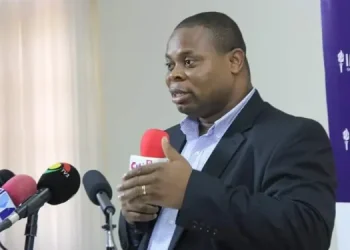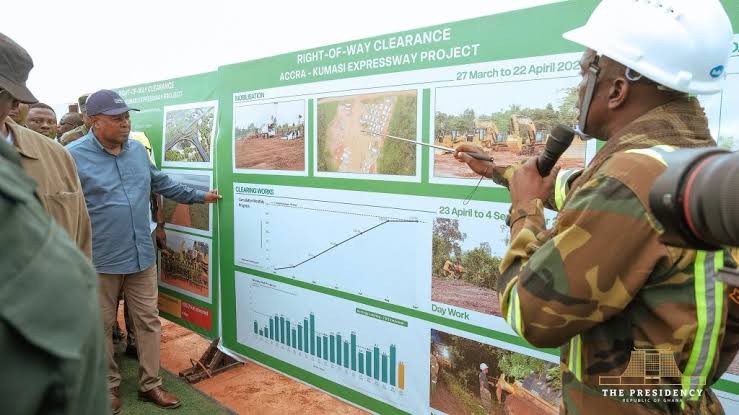
Security and intelligence expert Nii Nai Gogo has backed the involvement of the Ghana Armed Forces in the construction of the Accra–Kumasi Expressway, arguing that the military’s discipline, technical expertise and logistical capacity can strengthen the delivery of major national infrastructure projects.
He has also called for the Narcotics Control Commission (NACOC) to be given a more direct role in the inspection of export containers at Ghana’s ports, following reports that 3.9 tonnes of cocaine concealed in plastic waste were intercepted in Dunkirk, France, after leaving Ghana.
Speaking on the Gold Morning Conversation, Mr Gogo welcomed President John Dramani Mahama’s announcement that the military would play a major subcontracting role in the expressway project.
“I would say that it is a collaboration between the civilians and then the military. The military has a way of doing things which is different from civilians and if we are able to implement this in all aspects of our sectors, it will go a long way,” he said.
Mr Gogo argued that greater collaboration between civilian institutions and the military could allow the country to make better use of expertise already available within the armed forces.
He also urged government to draw more extensively on the skills of retired military personnel through the Veterans Administration, Ghana, noting that the state invests significant resources in training service personnel whose expertise could remain valuable after active service.
“These people have been trained by our resources,” he said.
Calls for stronger port security coordination
Turning to narcotics trafficking, Mr Gogo said the Dunkirk interception had exposed what he described as weaknesses in coordination among agencies responsible for securing Ghana’s ports and monitoring exports.
He argued that Customs should not carry the responsibility for export controls without stronger operational involvement from other specialised security agencies.
“I think there’s a little bit of missing link between the other security services and Customs. I think we have left sort of shipping goods or exporting goods from Ghana just for Customs,” he said.
Mr Gogo proposed the permanent integration of NACOC into the inspection process for export containers, with narcotics officers participating in checks before shipments leave the country.
“Why don’t we have the National Narcotics Commission as part of the people that inspect containers before they get to the port or when they get to the port? We need to resource them with people and make sure that they are also putting their seal on the container before it leaves,” he stated.
He said such an arrangement would strengthen intelligence sharing and introduce another specialised layer of scrutiny at the ports, particularly in detecting attempts to use legitimate cargo for narcotics trafficking.
Don’t politicise security failures
Mr Gogo, however, cautioned against using recent drug interceptions to portray Ghana’s entire security system as ineffective.
He argued that attention should also be paid to narcotics seizures successfully carried out within Ghana, saying those operations demonstrate that sections of the country’s intelligence and security apparatus are functioning.
“We sometimes don’t commend the security services enough,” he said.
According to him, combining successful domestic seizures with consignments that escaped detection creates an incomplete assessment of the performance of the security agencies.
Mr Gogo maintained that the response to recent drug trafficking cases should therefore focus on closing coordination gaps, strengthening intelligence sharing and bringing specialised agencies such as NACOC more directly into port operations, rather than turning the issue into a partisan political contest.
Story by Errah Salifu Razak