The Minerals Commission is moving to tighten oversight of local contract mining companies as part of efforts to ensure Ghana’s local participation drive translates into fair wages, improved working conditions and greater protection for mine workers.
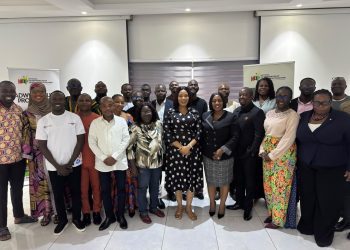
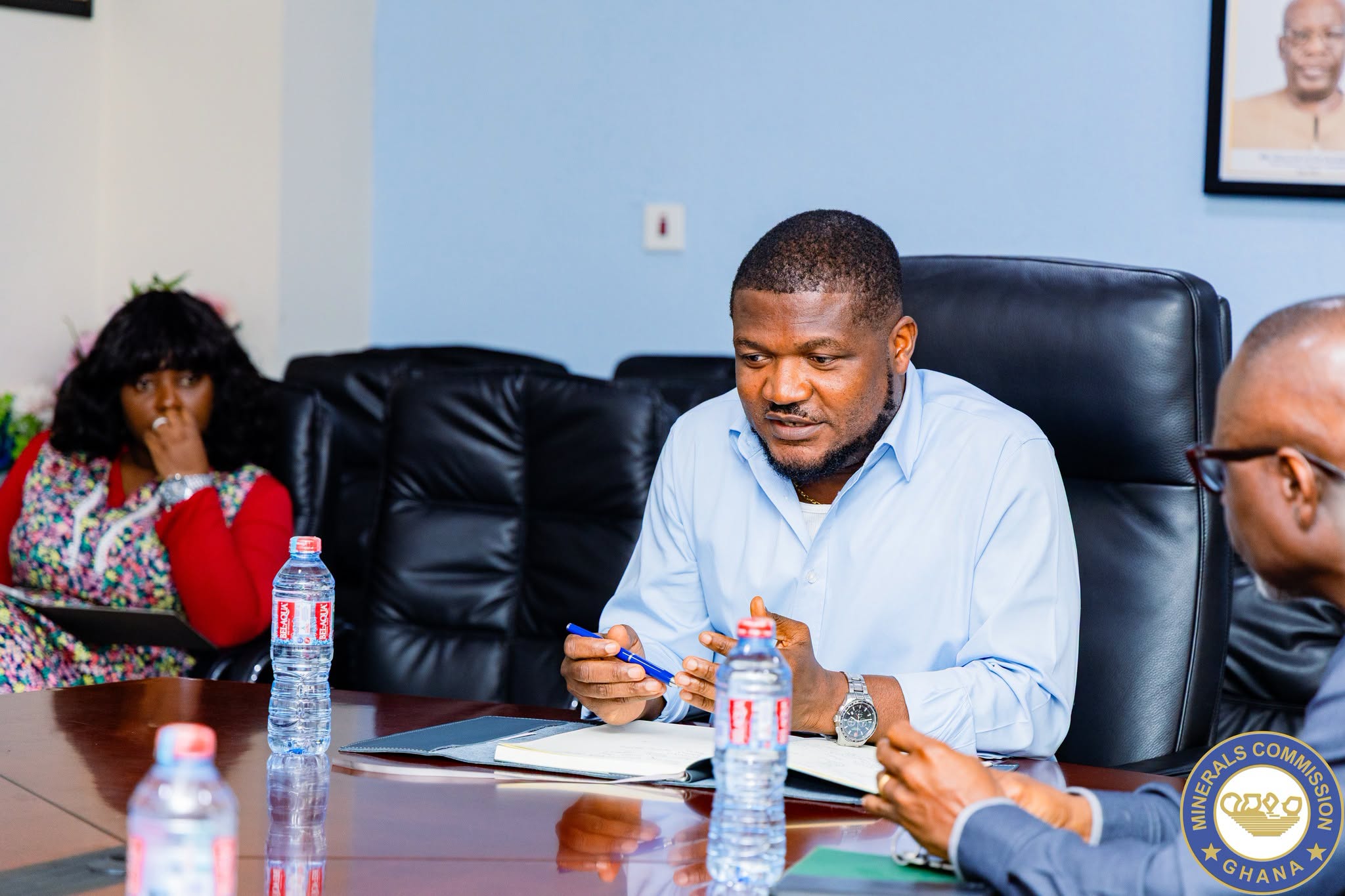
Chief Executive Officer of the Commission, Isaac Tandoh, has held another round of discussions with indigenous contract miners following concerns raised by the Ghana Mineworkers’ Union over workers’ welfare as some mining companies transition from owner mining to contract mining.
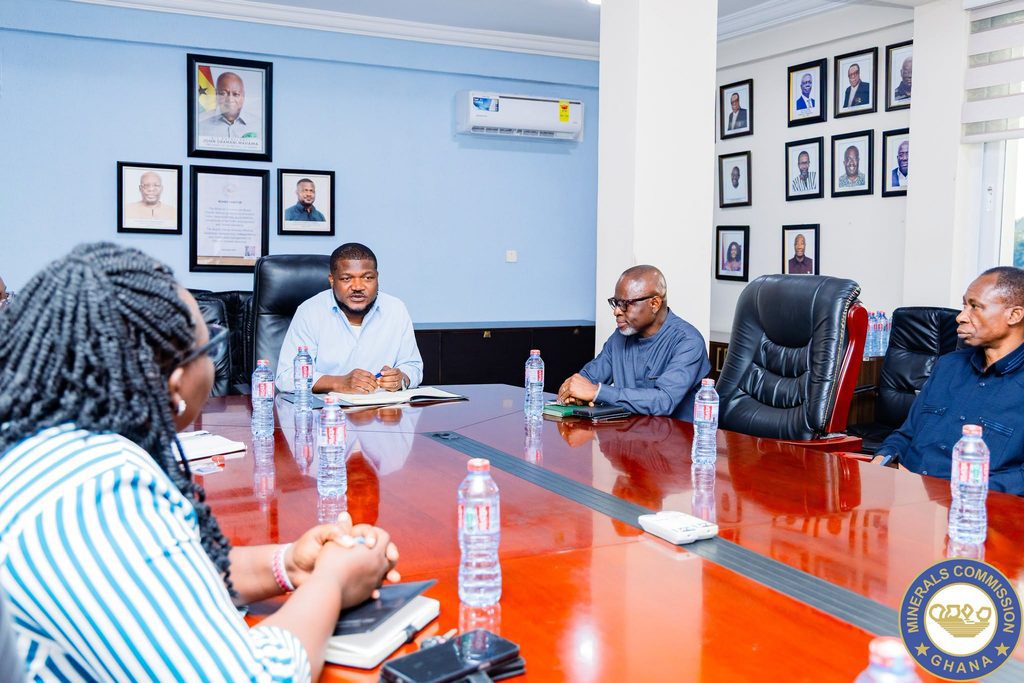
Mr Tandoh said the Commission shares concerns about unfair remuneration and will not allow the expansion of local participation in the mining industry to leave Ghanaian workers worse off.
“We need to build a firm but workable baseline for remunerations. Workers cannot be made worse off in their conditions of service when employed by local contractors,” he stated.
As part of the intervention, the Commission has asked contract miners to constitute a team to develop a fair and transparent remuneration framework that establishes reasonable standards for workers across the contract mining industry.
Mr Tandoh said the absence of standardised remuneration within Ghana’s mining industry remains a major concern that requires collaboration among regulators, contractors, workers and other professionals.
“Remuneration in our industry in Ghana is not standardised, and the Commission wants to help resolve this,” he said.
Commission warns against underpricing contracts
The Minerals Commission CEO also cautioned local contractors against aggressively undercutting one another when bidding for mining contracts, warning that unrealistic contract prices could ultimately come at the expense of workers.
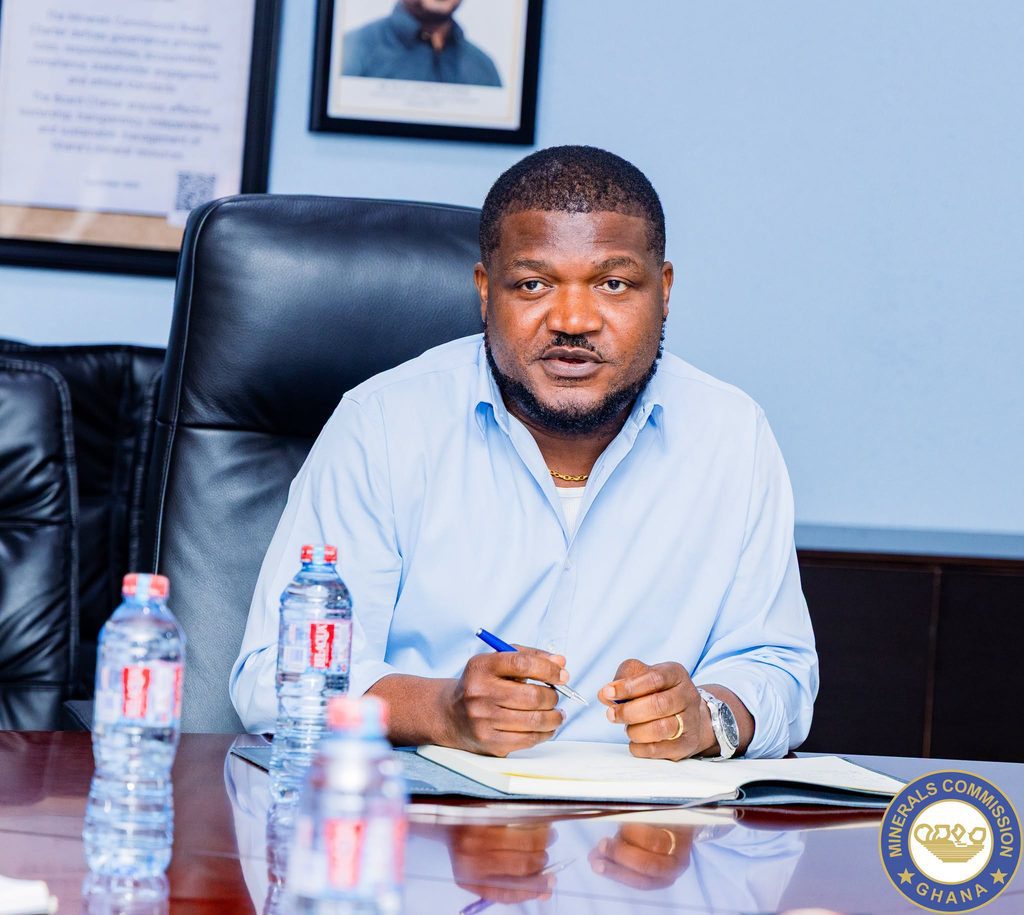
He urged companies to submit commercially realistic bids that leave sufficient room to meet their obligations to employees, warning that government could intervene where necessary to protect workers.
Mr Tandoh further warned of punitive action against contractors who fail to meet statutory and employment obligations, following complaints that some companies have failed to pay workers’ provident fund contributions, bonuses, SSNIT contributions and other entitlements.
“We want to see collaboration, realistic rates and numbers, and motivation for Ghanaian workers without them being short-changed,” he stressed.
Push for stronger Ghanaian contract mining companies
Beyond workers’ welfare, the Commission wants local contract miners to build stronger businesses capable of eventually taking on large-scale mining operations in Ghana.
Mr Tandoh encouraged indigenous contractors to form joint ventures and strategic alliances that would allow them to combine expertise and financial capacity when bidding for major contracts.
He also urged the companies to strengthen corporate governance and localisation and draw on professionals including human resource practitioners, lawyers, mining engineers and other specialists in developing industry standards and negotiating on behalf of the contract mining workforce.
The CEO further proposed the formalisation of a chamber for contract miners, arguing that an organised industry body backed by institutional partnerships would provide contractors with stronger bargaining power and a collective voice.
Mr Tandoh said discussions are also underway with the Ministry of Finance and Ghana Revenue Authority over concerns about the impact of import tariffs and other taxes on mining equipment.
The Commission said the broader objective is to develop competitive Ghanaian mining companies capable of assuming greater responsibility within the industry without sacrificing the wages, statutory benefits and working conditions of Ghanaian workers in the process.