The African Development Bank (AfDB) has provided Ghana with a US$18.8 million grant to accelerate domestic rice production, strengthen processing capacity and reduce the country’s estimated US$500 million annual rice import bill, as the government intensifies efforts to achieve rice self-sufficiency by 2028.
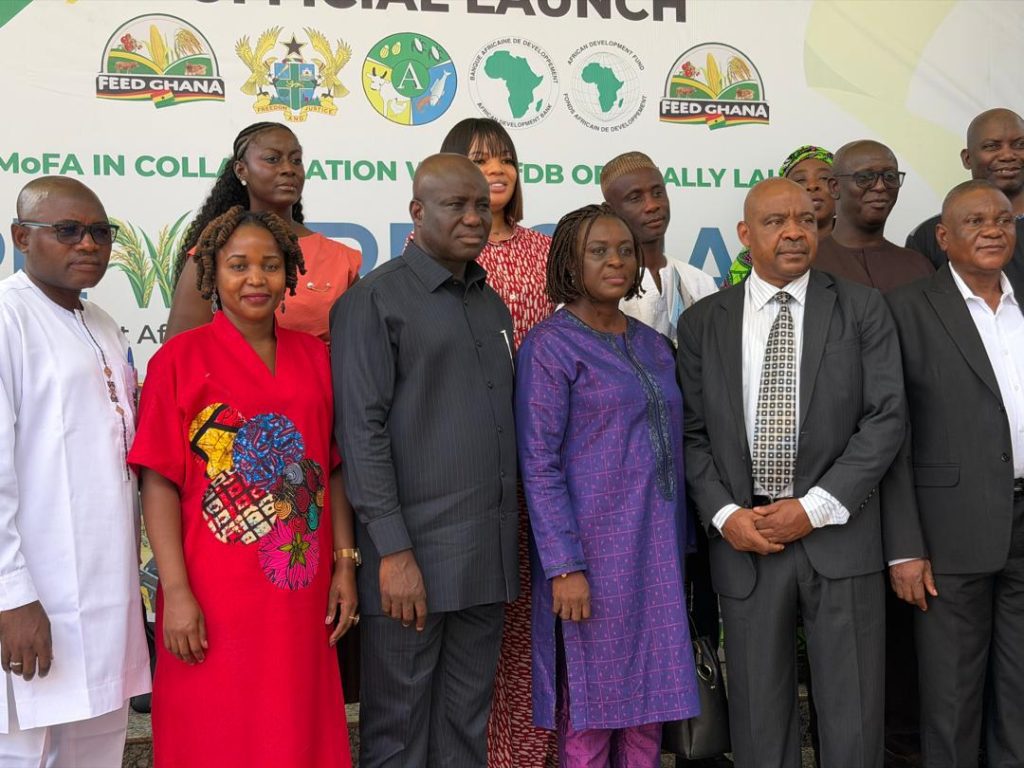
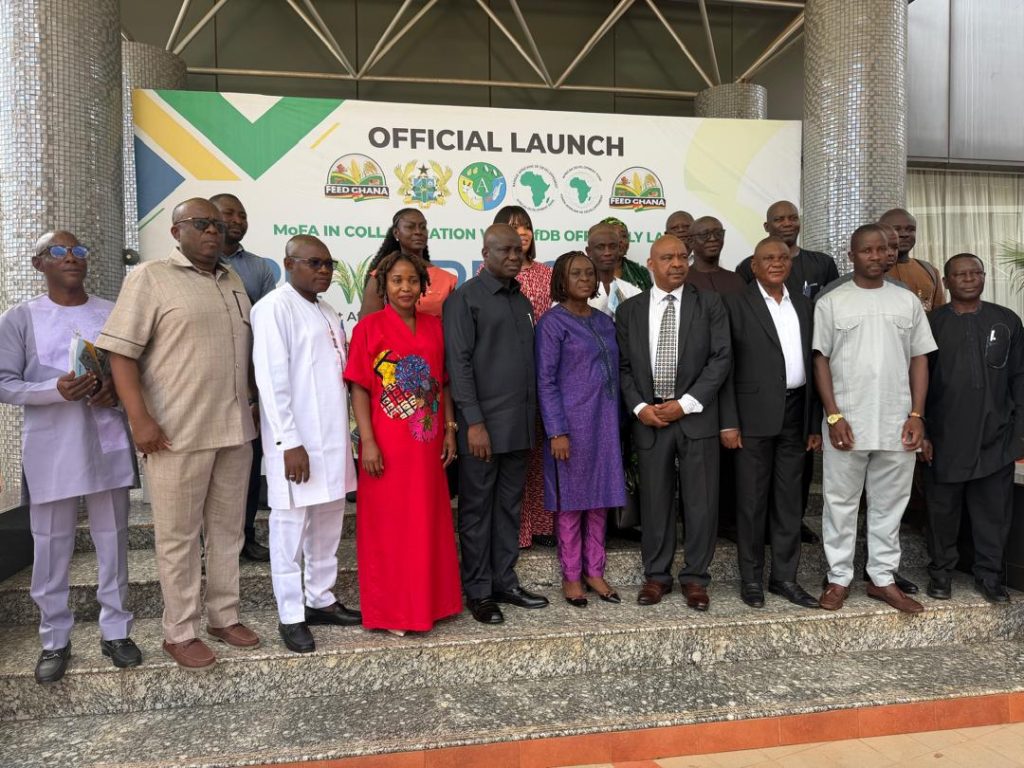
The grant, announced by the Minister for Food and Agriculture, Hon. Eric Opoku, at the launch of the Regional West Africa Resilient Rice Value Chains Development Project (REWARD-Ghana) in Tamale, comes at a time when Ghana’s milled rice production has increased from approximately 685,000 metric tonnes in 2022 to 960,000 metric tonnes in 2025.
Despite the progress, local production currently meets only 56 per cent of national rice consumption, leaving a 44 per cent supply gap that is largely filled through imports.
According to the Minister, Ghana has made considerable progress in domestic rice production, with milled rice output increasing from approximately 685,000 metric tonnes in 2022 to 960,000 metric tonnes in 2025.
Despite this improvement, local production currently meets only about 56 per cent of national rice consumption requirements, leaving approximately 44 per cent to be supplied through imports.
Ghana consequently spends an estimated US$500 million annually on rice imports, a situation the government intends to address through increased domestic production and improved competitiveness of the local rice industry.
The government has consequently set an ambitious target of achieving rice self-sufficiency by 2028, supported by a national paddy production target of 3.31 million metric tonnes.
Mr. Opoku said the REWARD project would contribute significantly to achieving this target through investments in production infrastructure, improved seeds, mechanisation, processing facilities and market development.
Under the project, approximately 3,200 hectares of land will be developed for rice cultivation within the Northern Savannah Ecological Zone.
Beneficiary communities include Tamale Metropolitan, Mion, Savelugu, Mamprugu-Moagduri, West Gonja, Wa Municipal and Nandom.
The project will also provide essential agricultural machinery, including rice transplanters, seed drills, rotary tillers, boom sprayers and mini crawler combine harvesters to improve farming efficiency and reduce production costs.
In addition, selected seed centres and rice processors will receive equipment such as seed cleaners, colour sorters, destoners and improved parboiling vessels to enhance the quality and competitiveness of locally produced rice.
The Minister emphasised that the intervention goes beyond increasing production, explaining that strengthening processing, marketing and reliable market linkages would be critical to building a commercially viable rice industry.
He called on private-sector investors to take advantage of opportunities in seed production, mechanisation services, processing, packaging, storage and distribution.
Mr. Opoku also urged Ghanaians, particularly households, hotels, restaurants, schools and food vendors, to prioritise locally produced rice to support farmers and retain foreign exchange within the economy.
The REWARD project forms part of the government’s flagship Feed Ghana Programme and the broader Agriculture for Economic Transformation Agenda (AETA), aimed at repositioning agriculture as a major driver of economic growth, employment creation and national food security.