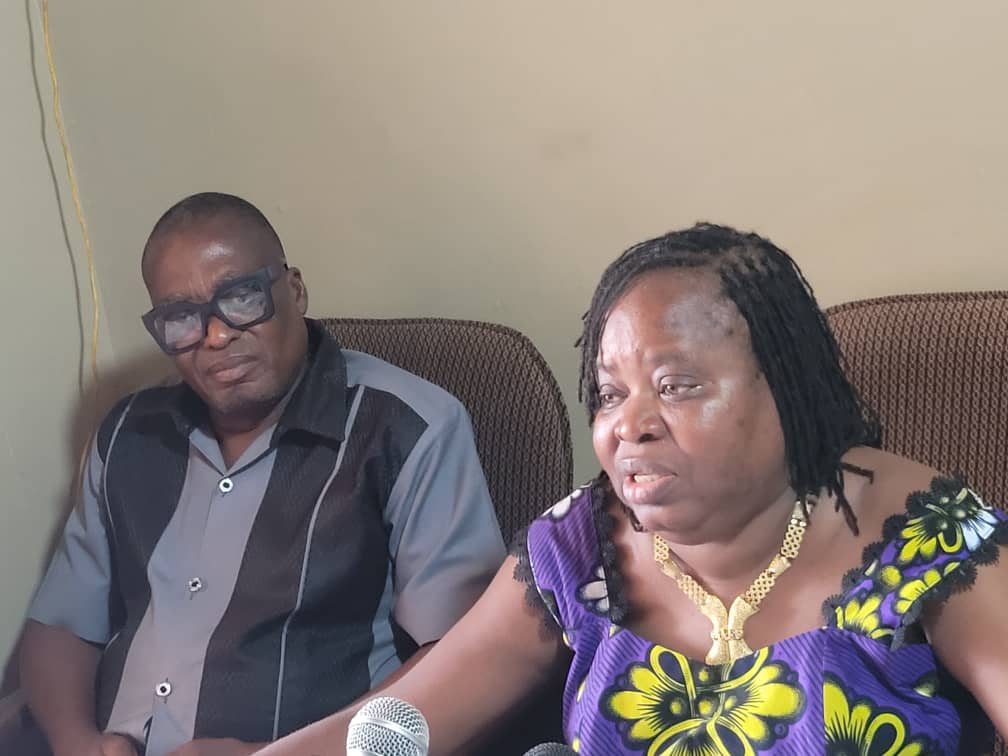
In a passionate call to action, Dr. Elizabeth Esi Denyoh, President of the National Diabetes Association and Chairperson of the International Diabetes Federation, warned at the launch of World Diabetes Day 2026 that nearly four out of every five Ghanaians living with diabetes remain completely undiagnosed.
Delivering her keynote address under the official theme “Early Action on Diabetes,” Dr. Denyoh painted a stark picture of a silent health crisis threatening to overwhelm families and the healthcare system.
Drawing from the 11th Edition of the International Diabetes Federation Diabetes Atlas, Dr. Denyoh highlighted the massive global scope of the disease, which currently affects 589 million adults and is projected to reach 853 million by 2050. Globally, more than four in ten adults living with diabetes do not know they have it, leaving them vulnerable to life-threatening complications like stroke, heart attack, blindness, and kidney failure long before diagnosis.
According to her, In Ghana, the situation demands immediate national focus. Approximately 317,400 Ghanaian adults currently live with the condition, and roughly 250,000 of them, an alarming 78.7% are walking around unaware of their status. Local community surveys in urban-poor areas like Ga Mashie, parts of Accra, and the Volta Region reveal even higher localized prevalence rates ranging from 6% to nearly 9%.
Without decisive action, Ghana’s diabetes population is projected to exceed 800,000 by 2050, driven further by an estimated 1.7 million adults currently living with impaired glucose tolerance. Dr. Denyoh emphasized that diabetes is no longer confined to the rich or elderly, but directly affects market women, trotro drivers, teachers, fishermen, and young students across the country.
To combat this trend, the speech established three non-negotiable priorities for the nation. First, early diagnosis requires every adult over 35 or with known risk factors to get tested, taking advantage of free and subsidized screening exercises hosted by the Association and the Ghana Health Service.
Second, timely intervention must guarantee continuous care, healthy eating centered on local foods, and reliable, affordable access to essential medicines so that no child dies from lack of insulin.
Third, population-wide risk reduction must encourage 30 minutes of daily exercise, weight management, reduced consumption of sugary drinks, and a collective shift toward healthier food environments.
The address closed with direct appeals across Ghanaian society. Dr. Denyoh called on the government to work hand-in-hand with civil society, regulate unhealthy food marketing to children, incentivize health workers to remain in the country, and fully integrate non-communicable disease services into the National Health Insurance Scheme.
She challenged religious, community, and workplace leaders to host wellness checks and fight harmful myths such as attributing diabetes to witchcraft while asking the media to broadcast screening dates and accurate health education to every corner of the nation.
Eugenia Ewoenam Osei