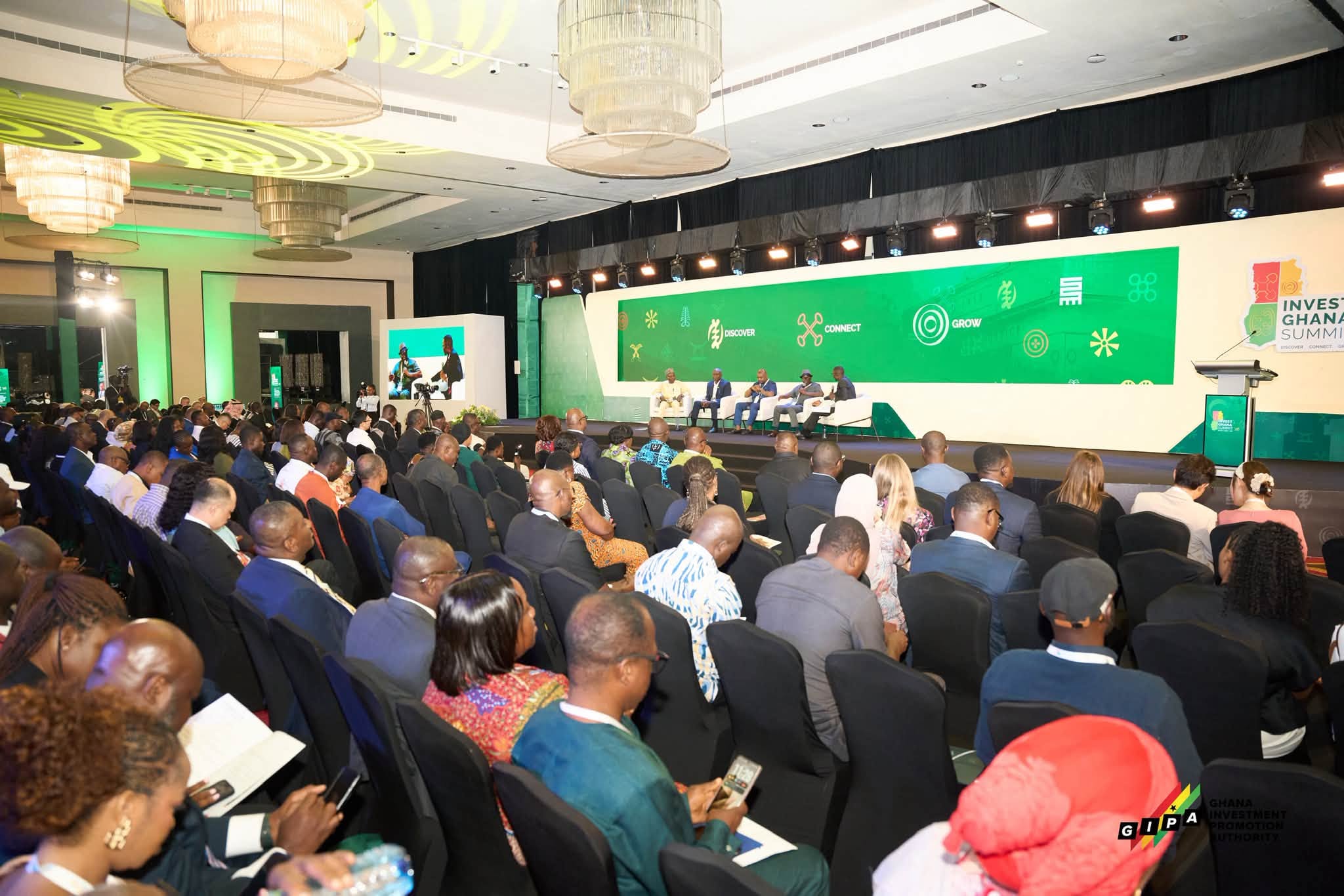
Ghana’s ambition to build a competitive economy will depend on its ability to expand domestic production, process its natural resources and establish industries capable of competing in international markets, Chief of Staff Julius Debrah has declared.
He says President John Dramani Mahama’s New Economy Programme provides a framework for transforming the country’s productive capacity through industrialisation, infrastructure development and increased private sector investment.
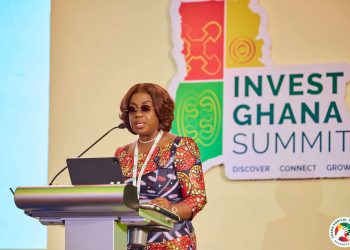
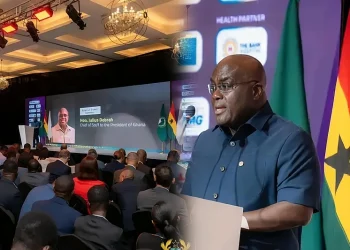
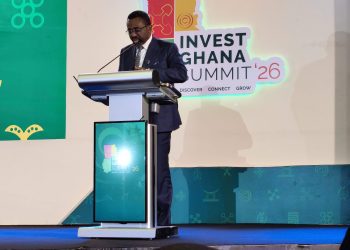
Addressing the closing ceremony of the Invest Ghana Summit 2026 in Accra on Tuesday, November 17, Mr Debrah said Ghana possessed the resources, institutions, skills and enterprises required to drive a major expansion in economic activity.
He stressed that the government’s priority was to ensure that Ghana moved beyond exporting raw materials towards manufacturing finished products, creating employment and generating greater economic value.
“We want to produce more at home, add value to what we produce, and compete in international markets,” he stated.
According to him, the government’s 24-Hour Economy and Accelerated Export Development Programme was designed to increase production and help Ghanaian businesses penetrate new markets.
He explained that the Big Push Infrastructure Programme would complement these efforts by improving the infrastructure required for industrial and private sector growth.
Mr Debrah identified agriculture and agro-processing as major investment opportunities, particularly in irrigation, mechanisation, modern storage facilities, cold-chain infrastructure and food processing.
He noted that expanding processing capacity would create reliable markets for agricultural produce, reduce losses and enable Ghanaian businesses to supply both domestic and international markets.
In manufacturing, he highlighted opportunities in pharmaceuticals, textiles and garments, automotive components, industrial machinery and packaging.
He also called for increased investment in processing Ghana’s natural resources locally to strengthen manufacturing capacity and improve the competitiveness of Ghanaian products.
The Chief of Staff said reliable energy, efficient transportation, logistics and digital infrastructure would be essential to reducing production costs and supporting industrial expansion.
He further identified mining and tourism as sectors with significant potential to attract investment and expand economic activity.
Mr Debrah emphasised that the African Continental Free Trade Area (AfCFTA) offered Ghanaian manufacturers access to wider continental markets and opportunities to participate in regional production networks.
He urged investors to take advantage of the country’s strategic position to establish businesses capable of supplying goods and services across Africa.
The Chief of Staff also called for greater investment beyond Ghana’s major commercial centres, arguing that the country’s regions possessed distinct economic strengths that could support viable enterprises.
He expressed hope that the regional investment opportunities showcased during the summit would attract capital, strengthen local businesses and spread economic development across the country.
Mr Debrah maintained that Ghana’s economic transformation must ultimately be reflected in the lives of ordinary citizens through reliable markets for farmers, decent employment for young people and stronger local industries.
He concluded with a direct appeal to investors to make Ghana their preferred destination for new business ventures. “Choose Ghana. Build here. Grow here and take what you make in Ghana to the world,” he urged.