President John Dramani Mahama has called for concrete action to confront the enduring consequences of slavery, insisting that reparatory justice must go beyond historical remembrance to address the deep-rooted inequalities imposed on Africans and their descendants.
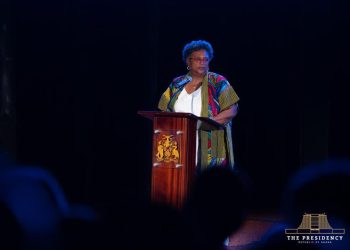
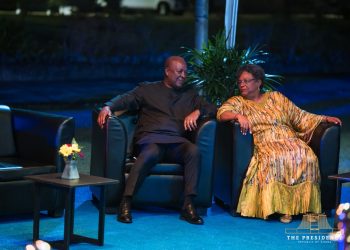
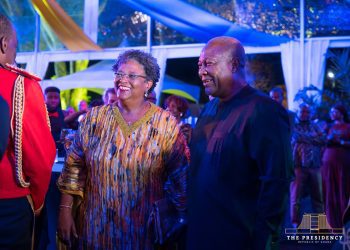
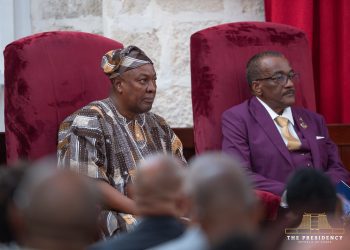
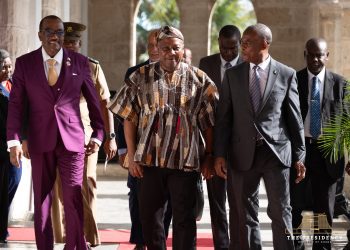
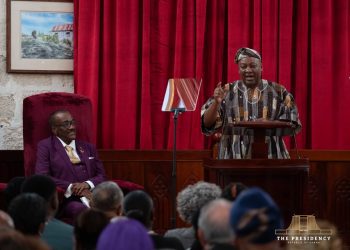
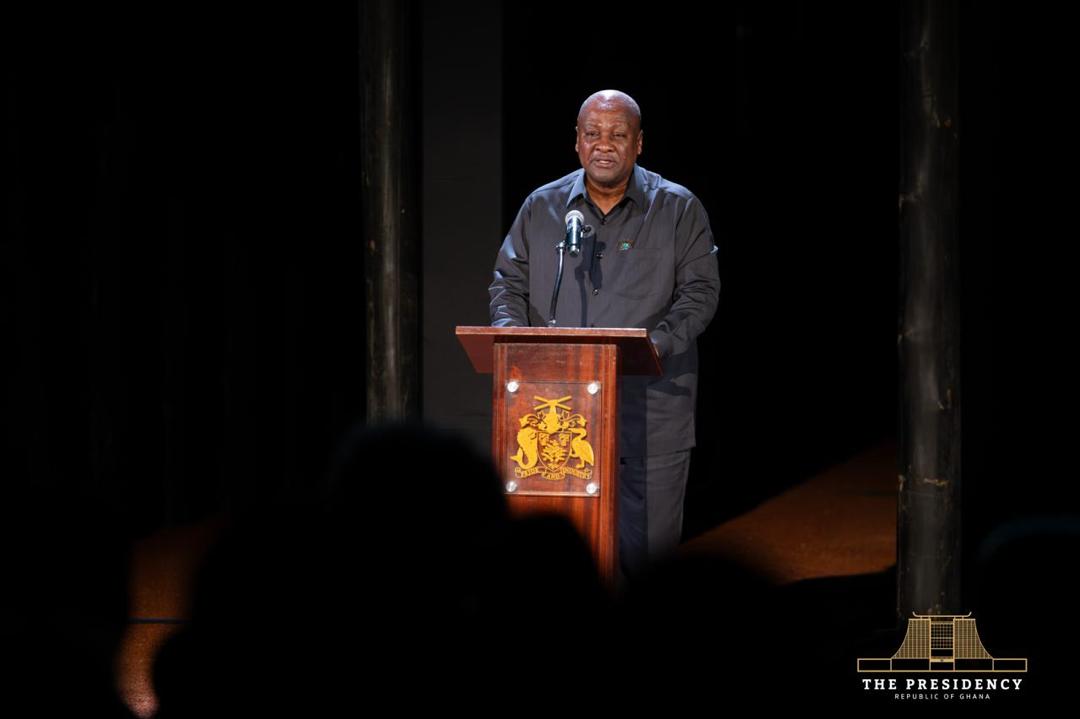
Speaking at the official opening of the Ancestral Memorial to the Enslaved and Barbados Heritage District at Newton in Barbados, President Mahama said the legacy of slavery continues to shape societies, making it imperative for the present generation to confront historical injustices and their consequences honestly.
He noted that although the abolition of slavery brought an end to the legal system of human bondage, the economic and social disadvantages imposed on enslaved Africans and their descendants had persisted, while the wealth generated through their forced labour continued to benefit generations elsewhere.
President Mahama argued that the end of slavery did not automatically translate into freedom from its consequences, stressing that the structures of inequality created during the transatlantic slave trade continued to influence economic opportunities, social conditions and development outcomes across the world.
He said the memorial should therefore serve as more than a physical reminder of the suffering endured by enslaved Africans, but also as a symbol of the collective responsibility to pursue justice, dignity and equality.
The Ghanaian leader emphasised that remembrance must be accompanied by meaningful efforts to address the historical and structural disadvantages that continue to affect African nations and people of African descent.
He called for a broader understanding of reparatory justice, one that recognises the historical wrongs of slavery while addressing their continuing economic, social and developmental consequences.
President Mahama’s remarks reinforce his advocacy for stronger Africa-Caribbean relations, particularly in mobilising a common position on reparations, historical justice and the shared development interests of both regions.
He said the historical connections between Ghana and Barbados, rooted in the transatlantic slave trade, provide an important foundation for renewed cooperation and a collective commitment to ensuring that the painful experiences of the past inform a more equitable future.
The opening of the Ancestral Memorial to the Enslaved and Barbados Heritage District is particularly significant as it recognises the lives, sacrifices and resistance of Africans who were forcibly taken from their homeland and subjected to generations of exploitation.
For President Mahama, the significance of the occasion lies not only in honouring those who suffered under slavery but also in challenging present and future generations to ensure that the injustices of the past are not perpetuated through contemporary inequalities.
He maintained that the struggle for historical justice must translate into practical outcomes that restore dignity, advance equality and strengthen the economic prospects of Africa and its descendants across the Caribbean and the wider diaspora.
Story: Patrick Asford Boadu