The Energy Commission of Ghana has officially marked the successful completion of the Sustainable Use of Natural Resources and Energy Finance (SUNREF) program, an initiative that has redefined the country’s approach to green financing and renewable energy.
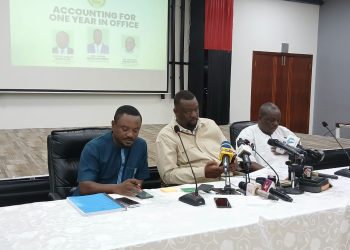
Speaking at the closing event, Eunice A. Biritwum, the Acting Executive Secretary of the Energy Commission, highlighted how the program grew from a pre-feasibility study supported by the Agence Française de Développement (AFD) and the European Union (EU) into a robust financial framework.
The program successfully deployed a €30 million credit line from the AFD through local partner banks, GCB and CalBank, complemented by a €2.4 million grant from the EU. This “resource-based” project ensured that beneficiaries received a 10% grant upon the successful verification of their green projects.
Eunice Biritwum emphasized that beyond the numbers, the true success of SUNREF lies in the newfound confidence of local banks to independently finance green investments, a shift that has already begun to transform Ghana’s urban landscape
A notable outcome of the initiative is the rise of energy-efficient buildings. Using the EDGE software, several projects have achieved a minimum of 20% energy savings while significantly reducing water usage. Some of these facilities are now even utilizing excess generated power to support electric vehicle (EV) charging stations on-site.
Although the program was extended from three to five years to accommodate shifting economic conditions, its impact remains active; approximately $5.5 million worth of projects remain in the pipeline for completion by GCB Bank.
While the SUNREF facility officially draws to a close, the Ag Executive Secretary assured the public that Ghana’s green transition is far from over. She stated that the government is currently exploring new climate initiatives through the Ministry of Energy, including upcoming facilities from KfW and the African Development Bank.
She also revealed that the Commission is actively promoting the Accelerating Solar Action Program (ASAP) in partnership with Ecobank and the Green Climate Fund, which targets small-to-medium enterprises and homeowners looking to transition to solar power.
“A major focus for the new year is the full implementation of the Net Metering Photovoltaic program”, she confirmed. “The Energy Commission has launched an application portal to deploy approximately 12,000 net meters to homes and businesses. This system will allow users to send excess power back to the national grid in an energy exchange arrangement, with accounts being reconciled annually.”
Eunice Biritwum encouraged the public to apply through the portal, noting that the Commission will soon issue a call for eligible, certified installers to handle the rollout.
Looking ahead, the Commission is expected to finalise a suite of new regulations aimed at modernizing Ghana’s energy sector. These include frameworks for clean cooking and high-efficiency cookstoves, as well as guidelines for EV charging infrastructure which are headed to Parliament for approval.
To ensure the sustainability of these efforts, the Commission affirmed its continous effort to engage the youth through the Senior High School Renewable Energy Challenge, fostering innovation and creativity among the next generation of energy experts.
Story By: Eugenia Ewoenam Osei