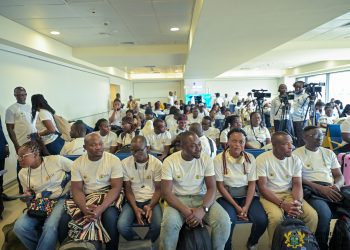
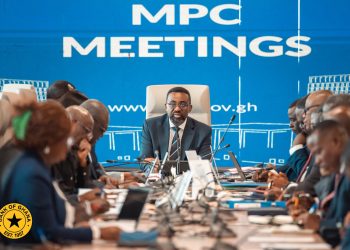
The Minister for Trade, Agribusiness and Industry, Hon. Elizabeth Ofosu Agyare, has expressed optimism about Ghana’s economic prospects for 2026, announcing government plans to support the establishment of three new garment factories expected to create about 27,000 jobs.
The Minister made this known during her presentation at the Government Accountability Series at the Presidency, where she outlined key policy interventions aimed at boosting industrial growth, expanding exports, and creating sustainable employment.
According to Hon. Ofosu Agyare, the textiles and garments sector remains a critical pillar of Ghana’s industrialisation drive, with strong potential to absorb large numbers of young people, particularly women.
“The 2026 outlook looks better. Government will support the establishment of three factories in the garment industry, which together will provide employment for about 27,000 Ghanaians,” she stated.
She noted that Ghana’s textiles and garments industry enjoys a competitive advantage on the international market, especially under various preferential trade arrangements, positioning the country as an attractive destination for export-oriented apparel manufacturing.
“Our textiles and garments industry has a strong advantage on the international market, and we are leveraging this to create jobs, grow exports, and strengthen Ghana’s industrial base,” the Minister added.
Hon. Ofosu Agyare explained that the new factories form part of broader government efforts to expand value-added manufacturing, enhance skills development, and integrate Ghana more effectively into regional and global value chains.
She reaffirmed the Ministry’s commitment to working closely with the private sector, development partners, and training institutions to ensure the sustainability of the factories and maximise their impact on employment creation and economic growth.
The announcement has been widely welcomed as a significant boost to Ghana’s industrial agenda, particularly at a time when job creation, youth employment, and export diversification remain central to the country’s economic recovery and long-term development strategy.
Story: Patrick Asford Boadu