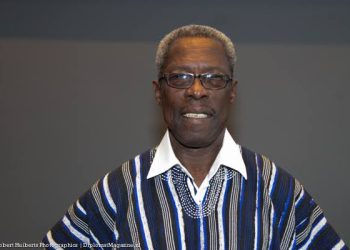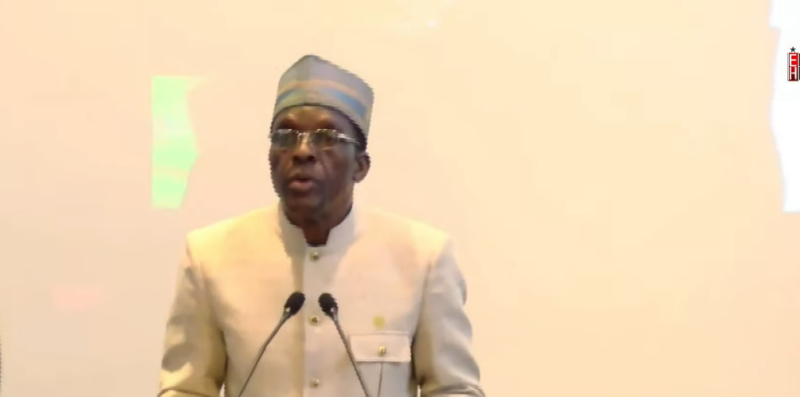
Speaker of Parliament Alban Bagbin has clarified that deciding where Members of Parliament (MPs) sit within the chamber does not fall under his mandate, addressing a dispute over which party currently holds the majority in Ghana’s Parliament.
The issue follows Bagbin’s recent declaration that four parliamentary seats are vacant, prompting the National Democratic Congress (NDC) caucus to assert that they now hold the majority. This has intensified the debate among MPs over which side should be recognized as the majority or minority, with each party interpreting the effect of the vacant seats differently.
Speaking on November 6, Bagbin explained that while Ghana’s Parliament follows aspects of the Westminster system, where the majority party typically sits to the right of the Speaker, this arrangement is not a binding rule in Ghana.
“The role of the Speaker does not include deciding where an MP should sit,” Bagbin clarified. “In various parliaments, the terms ‘majority’ and ‘minority’ are evolving, and that’s why I referenced the ‘old school’ Westminster model, with government and opposition.”
Bagbin emphasized that seating arrangements in Parliament are influenced by historical practices rather than explicit constitutional provisions and urged MPs to focus on substantive parliamentary functions instead of seating positions. He also called for dialogue among party leaders to resolve the matter, stressing that parliamentary order and functionality are paramount.
“While customarily, the majority sits on the Speaker’s right and the minority on the left, these positions are simply traditions adopted after independence,” he added. “In fact, our current parliamentary floor plan, arranged in a horseshoe shape, no longer strictly reflects the Westminster layout.”
The Speaker’s remarks underscore the fluidity of parliamentary conventions in Ghana’s evolving legislative context, reinforcing his stance that legislative matters are best addressed through leadership cooperation and respectful dialogue.