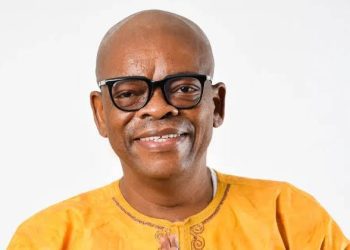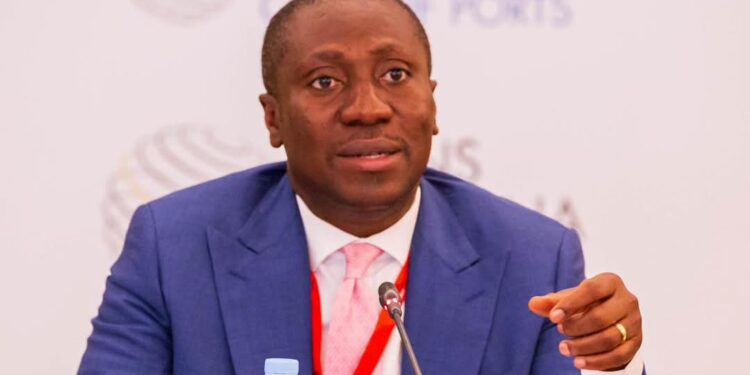
At the Crans Montana Forum, Ghana’s Minority Leader, Alexander Kwamena Afenyo-Markin, questioned Mali’s high security expenditure and its withdrawal from ECOWAS, stressing the importance of dialogue and national reconciliation for Mali’s long-term stability and economic progress.
Delivering his speech before a panel featuring regional leaders and foreign ministers, Afenyo-Markin asked about the sustainability of allocating 25% of Mali’s budget to security and inquired about efforts to engage all political actors in peace negotiations while commending Mali’s Foreign Minister for his declaration that “the Peace of Mali means peace for Niger, Burkina Faso and Morocco.
“Spending a quarter of your budget on security is not sustainable in the long term,” he stated.
“What efforts is your government making to bring political actors to the table to negotiate peace and foster national reconciliation, which are critical to realizing the economic aspirations of the Malian people?”
The response from Mali’s Foreign Minister , Abdoulaye Diop was both passionate and pointed.
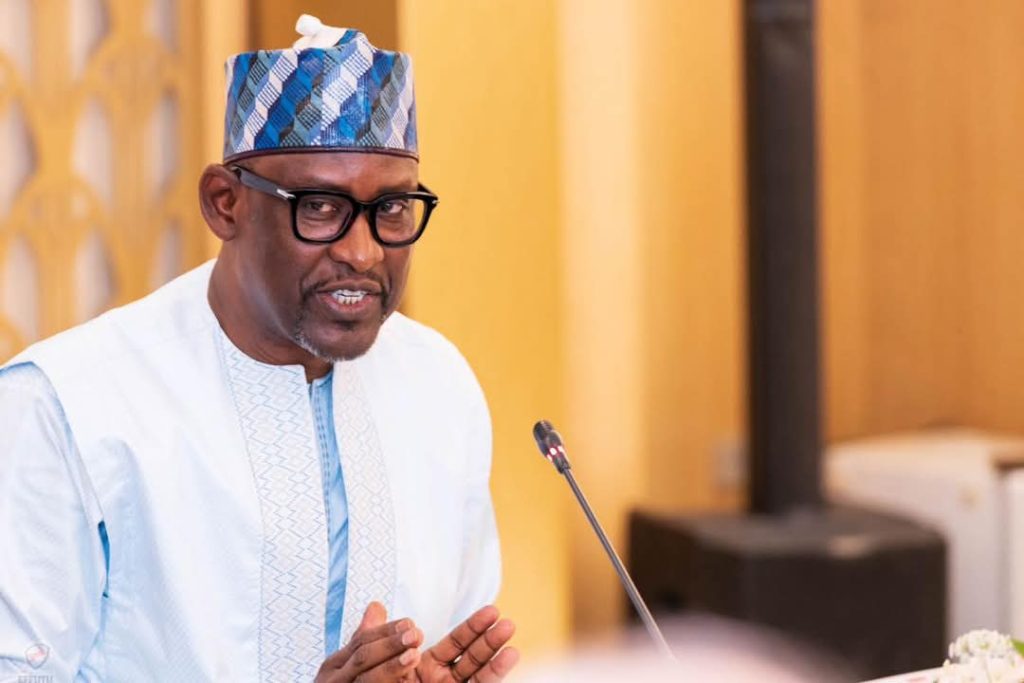
He defended the security spending as a matter of “survival” against Al-Qaeda and Daesh, stating they receive no external support. He asserted that when an organization meant to protect Mali becomes a platform for attack, trust and sovereignty are compromised.
“When an organization that is supposed to protect me becomes the platform used to attack me, then I cannot trust it with my sovereignty,” he said, framing ECOWAS’ recent actions as being “instrumentalized by external actors”.
“It is not about sustainability. It is about survival,” the Minister retorted. “Without that 25% allocation to security, I wouldn’t be here. Mali wouldn’t be here. We are under attack by AlQaeda and Daesh. We receive no external support. We are alone.”
The minister in addressing Afenyo-Markin’s inquiry cited the 2021 national dialogue and a subsequent Inter Malian Dialogue as evidence of Mali’s commitment to a domestically driven peace process, rejecting foreign interference from capitals such as Paris and Washington arguing that the collective resistance of Mali, Niger, and Burkina Faso stems from a fear of losing sovereignty to an ECOWAS that has “attacked its own DNA.”
The minister accused ECOWAS of violating the spirit of integration and solidarity by imposing illegal sanctions, closing borders, and contemplating military action against Niger following the recent change in Leadership.
Story by: Eugenia Ewoenam Osei
 | ReplyForwardAdd reaction |