The Ghana Revenue Authority (GRA) has intensified enforcement within the country’s growing night economy, uncovering widespread non-compliance among businesses operating after dark during a late-night tax invigilation exercise across parts of Accra.
The operation, led by Mr. Alpha Senanu Hossoo, Chief Revenue Officer and Coordinator of the GRA Night Market Economy Project, began around 10:00 p.m. on Friday and ended at about 1:30 a.m. on Saturday. It covered major nightlife and commercial corridors including Osu Oxford Street, Spintex Road, Sakumono, Nungua, before returning to Osu. The team was supported by police officers and accompanied by members of the media.

Addressing journalists after the exercise, Mr. Hossoo explained that the night market economy project has been running for nearly two years, following growing evidence that a significant number of businesses make substantial revenue at night but fall outside the effective reach of tax enforcement.
“When people want to relax and spend money, they do so at night. But many of the businesses that profit from this vibrant night life are not complying with the tax laws,” he said.

According to Mr. Hossoo, out of about seven night businesses visited during the operation, the GRA found that five were either not registered with the Authority or were registered but failing to meet their tax obligations. The businesses ranged from nightclubs, pubs, bars and lounges to restaurants.
He noted that while some night operators comply fully with tax laws and were commended, the majority remain outside the tax net, contributing to revenue leakages and unfair competition.

“Some businesses do comply, and we encourage them. But the majority do not, and that is the problem we are addressing,” he stated.
Mr. Hossoo explained that for years, tax enforcement focused largely on daytime businesses, creating a loophole for operators who transact primarily at night. Under the Authority’s current strategy, aligned with the broader 24-hour economy agenda, GRA officers now work beyond regular hours to ensure that night businesses are held to the same compliance standards as daytime operators.
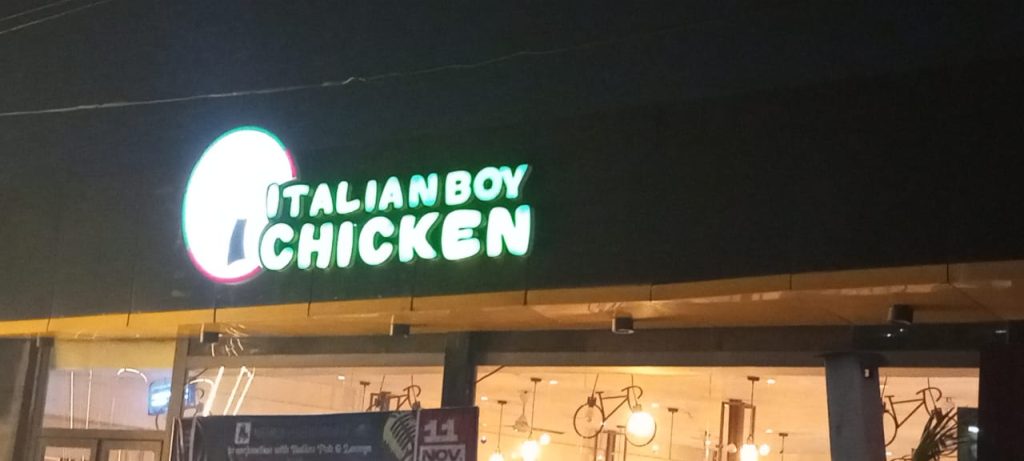
“During the day, we are able to enforce compliance. But at night, for a long time, we were not enforcing as we should. Now, GRA is up,” he said.
He added that businesses found non-compliant during the operation have been formally invited to GRA offices for assessment, allowing the Authority to determine outstanding liabilities. Where evidence exists, the law permits GRA to apply taxes and penalties retrospectively.
The exercise, he said, is part of a sustained nationwide effort to broaden the tax base, improve voluntary compliance, and ensure fairness within the business environment.
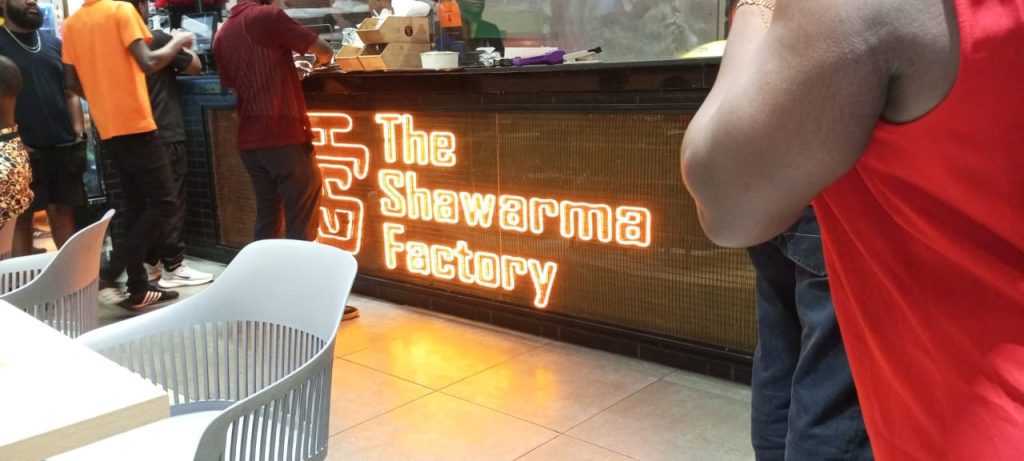
“These businesses are making money. All we are asking is that they contribute a little to national development by paying their taxes,” Mr. Hossoo said.
He assured that the night market economy project will continue indefinitely, warning that enforcement teams will keep returning to the night space until compliance improves.