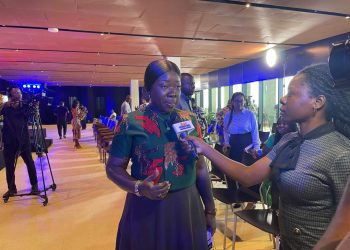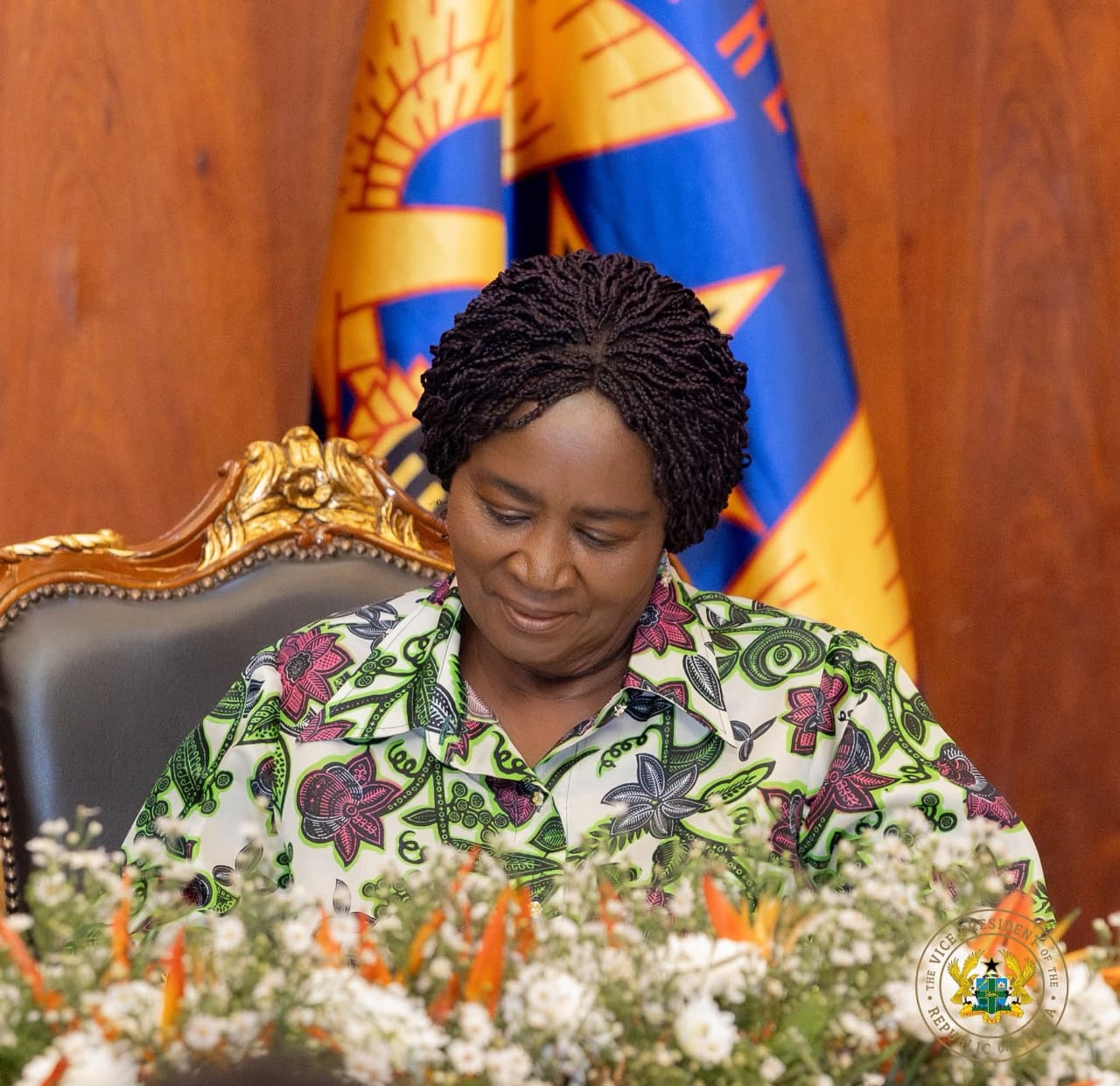
Vice President Naana Jane Opoku-Agyemang has urged women in leadership and the media to use visibility as a tool for influence, credibility, and national development, rather than as an end in itself.
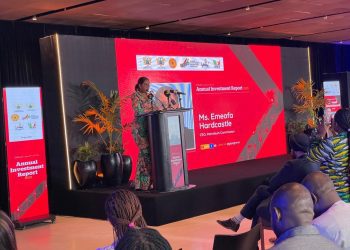
She made the call while delivering the keynote address at the First Annual National Forum on Women in Government and Media, held at the Presidency, where she emphasized the responsibility women leaders carry to represent those whose voices are not always heard.
“Let us always see ourselves as representatives of those whose names are not on the roster, but without whom we would not be here,” the Vice President said.
Prof. Opoku-Agyemang stressed the importance of networking and intentional engagement at professional gatherings, encouraging participants to step beyond familiar circles.
“When we attend events, let us avoid sitting only with the people we know. Comfort is fine, but sometimes it is good to go beyond the comfort zone and talk to somebody.”
She highlighted the role of such forums in strengthening solidarity, mentorship, and shared purpose among women in leadership.
“Events like these allow us to close ranks, to put faces to names and names to faces. Every woman is a leader in her own right, and leadership is service.”
Touching on the forum’s theme of visibility and leadership, the Vice President cautioned against equating public presence with real power.
“Visibility by itself is not the goal. Influence is. And influence without standards can be risky.”
She underscored the central role of the media in shaping public understanding of leadership, competence, and credibility, describing narrative framing as a significant form of power.
“Those who recount narratives do more than report; they organise attention. They help determine what is urgent, what is trivial, and what is ignored.”
According to her, women in media occupy a strategic position in national development by shaping perceptions and sustaining public trust.
“You help decide whether public debate is grounded in evidence or driven by outrage,” she noted.
Prof. Opoku-Agyemang acknowledged that leadership is demanding for all, but said women in public life often operate under heightened scrutiny, even as their contributions remain essential to national progress.
“Our development requires women to shape national direction—whether in Cabinet, Parliament, boardrooms, newsrooms, production studios, or communities across the country.”
She cautioned against reducing women’s issues to sensational or superficial coverage.
“When stories about women focus on appearance at the expense of competence and outcomes, the space for women in public life becomes very small. We must refuse to be belittled and intimidated.”
The Vice President called on women journalists and editors to use their positions to challenge assumptions, insist on depth, and educate the public on complex national issues.
“For many citizens, the media is a classroom. Women in media leadership can clarify complex issues and expose harmful practices, contributing meaningfully to national development.”
Addressing the pressures of the digital age, she acknowledged that speed and controversy often travel faster than substance, but insisted that editorial standards must remain paramount.
“Inclusive leadership is not symbolic; it is a developmental issue. Women are not only beneficiaries of development we are among its drivers.”
She urged women in leadership to mentor younger women deliberately and to use visibility to explain their work clearly rather than for self-promotion.“Visibility should allow citizens to judge performance on substance rather than speculation.”
Concluding her address, Prof. Opoku-Agyemang called for a deliberate and strategic partnership between women in governance and women in the media to strengthen democratic accountability.
“Democratic governance depends on informed citizens, and informed citizens depend on credible journalism and credible leadership,” she said.
“Let us commit to leadership that is visible, credible, and compassionate, and ensure that Ghana’s development story is told accurately, fairly, and with confidence in Ghana’s women.”
Story: Patrick Asford Boadu