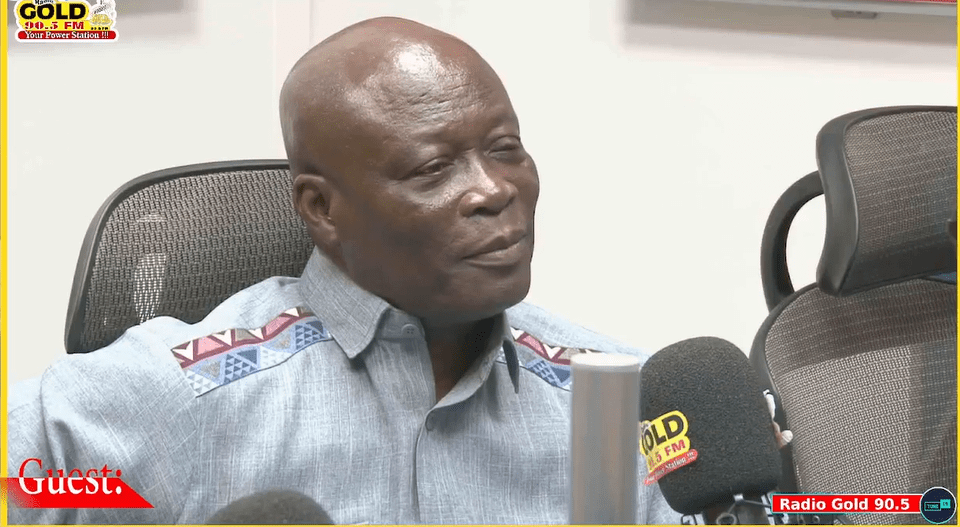
Former Sports Minister and former Member of Parliament for Odododiodio, Edwin Nii Lante Vanderpuye, has revealed that his decision to leave Parliament was driven not only by personal conviction but also by the emotional toll politics had taken on his family, particularly following the traumatic events surrounding the 2020 elections.
Speaking in an interview with Sena Nombo on Radio Gold’s Gold Morning Conversation, the former lawmaker said he had completely lost interest in parliamentary life before his exit, describing the institution as increasingly repetitive and disconnected from his natural strengths as a field-oriented leader.
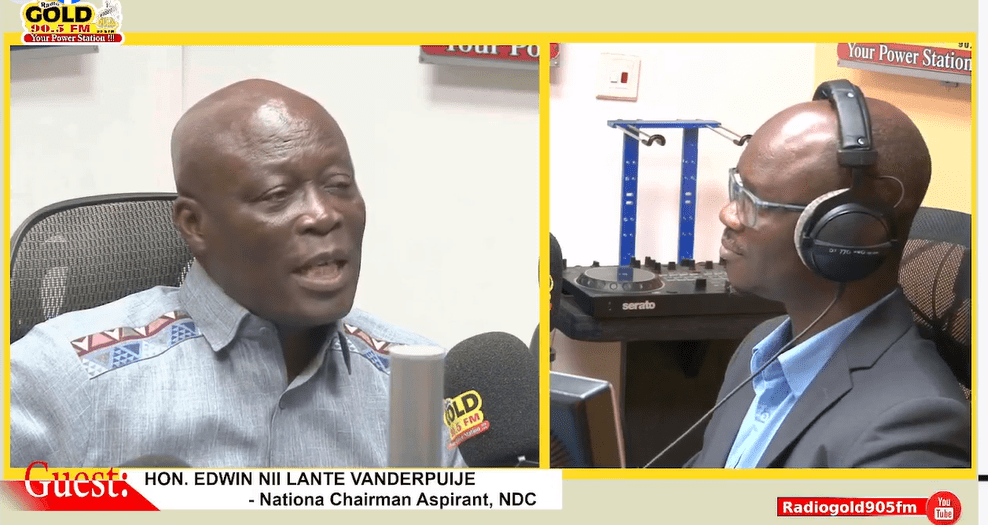
“Parliament had become boring to me,” he admitted, explaining that after more than 11 years in the House, the routine of attending sittings, reviewing documents, and participating in debates no longer gave him the sense of purpose he desired.
According to Vanderpuye, he is naturally inclined towards grassroots engagement, mobilisation, and direct action rather than spending long hours in legislative chambers.
Beyond personal dissatisfaction, he said the experiences of the 2020 election period left a deep mark on his family. He disclosed that his children, relatives, and close family members became increasingly concerned about the risks associated with political life and repeatedly urged him not to seek another term.
The former MP recounted the trauma his family endured following violent incidents linked to the elections, revealing that some relatives continue to suffer emotional distress from the events years later.
He also reflected on his own experience during the post-election unrest, describing scenes of brutality and arrests that convinced him it was time to step away from active electoral politics.
According to him, the decision was not an act of surrender but a strategic choice to contribute to political reform from outside Parliament.
“Sometimes you need to withdraw and be part of the advocacy to change the rules of the game,” he said.
Vanderpuye argued that his years in public office have given him valuable insights into the weaknesses of Ghana’s political system and that he intends to use those experiences to advocate reforms aimed at reducing political violence and improving democratic processes.
His remarks provide a rare glimpse into the personal sacrifices and emotional burdens often associated with political leadership, highlighting the human cost that can accompany public service in highly contested political environments.