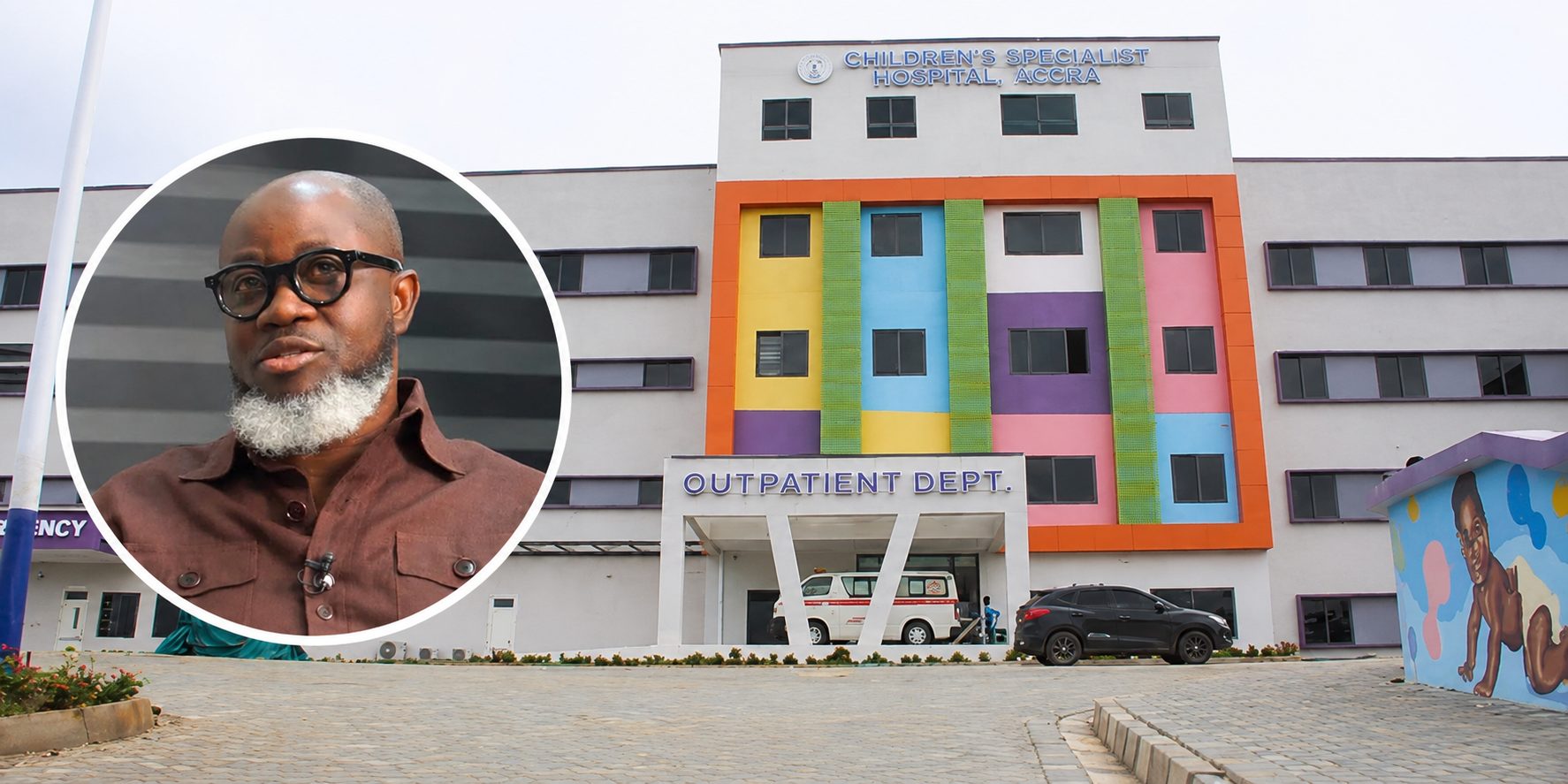
The long-delayed Weija Children’s Hospital is set to open its doors to the public after the Economic and Organised Crime Office (EOCO) successfully brokered a breakthrough agreement between the Ministry of Health and Awerco Construction Limited, paving the way for the immediate handover of the completed facility.
In a statement issued on July 16, 2026, EOCO announced that the agreement followed a series of engagements it facilitated between the two parties to resolve issues that had stalled the operationalisation of the hospital.
According to the Office, the parties have agreed to proceed with the handover to enable the Ministry of Health to commence healthcare services for the benefit of the Ghanaian public.
EOCO explained that the agreement was reached despite outstanding disputes relating to the project, including claims by the contractor over unpaid sums and concerns raised by the project’s financier regarding procurement processes and related matters.
The Office said all parties agreed that the completed hospital should begin serving its intended purpose without further delay, placing the national interest above unresolved contractual disagreements.
EOCO expressed confidence that the agreement would pave the way for the commissioning and opening of the hospital, allowing children and families to access much-needed specialised healthcare services.
The anti-graft agency, however, stressed that the decision to hand over and operationalise the facility does not affect its ongoing investigations into allegations of procurement breaches, financial impropriety and other matters connected to the project.
It assured the public that its investigations remain active and that the agreement reached should not be interpreted as prejudicing or terminating those inquiries.
EOCO commended both the Ministry of Health and Awerco Construction Limited for prioritising the national interest and cooperating to achieve what it described as an important resolution.
The Office reaffirmed its commitment to safeguarding public resources, promoting accountability and ensuring that public infrastructure projects deliver their intended benefits to the people of Ghana.