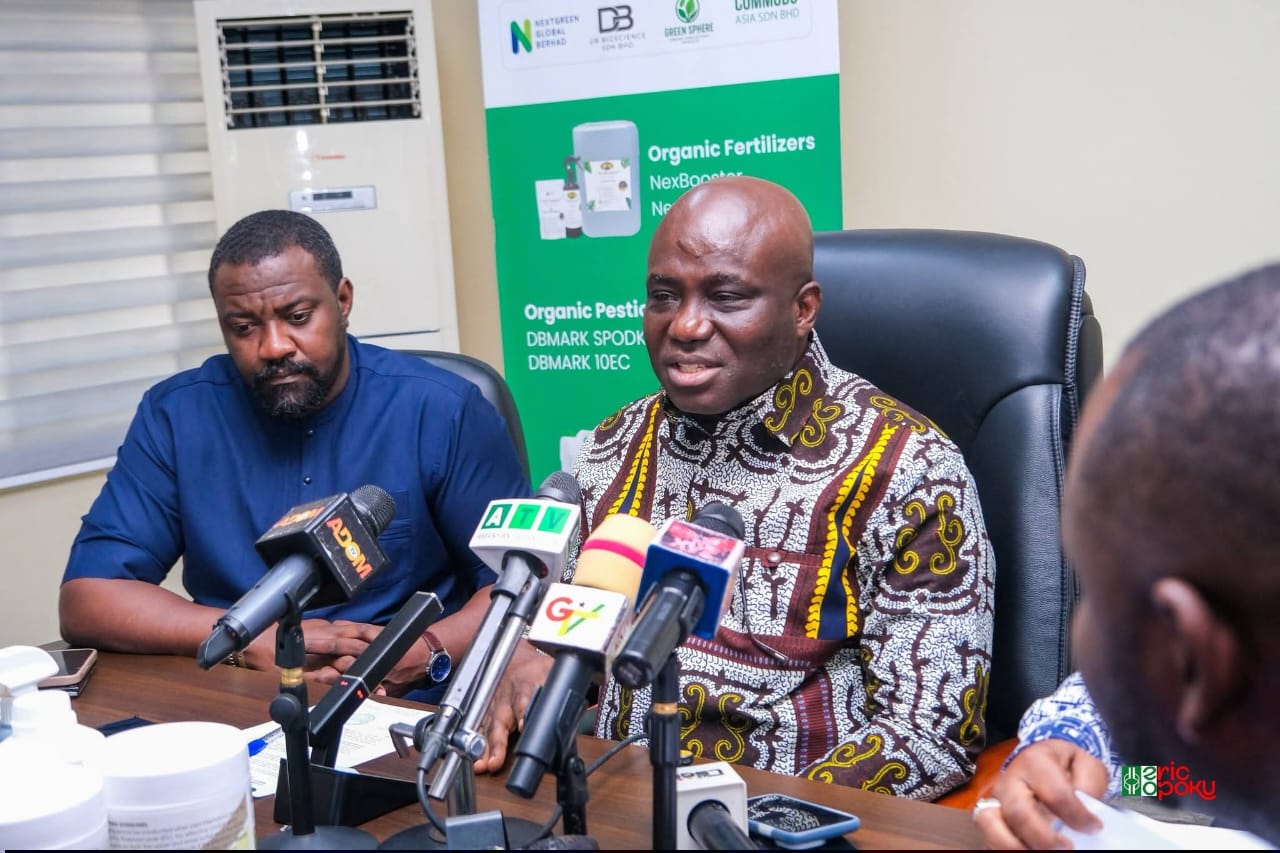
Aspiring National Vice Chairman of the National Democratic Congress (NDC), Dr. Edem Segbefia, has praised the sweeping reforms being implemented by the government of President John Dramani Mahama in Ghana’s food and agriculture sector, describing them as a transformational agenda that is revitalising agriculture, improving livelihoods and restoring hope to farmers across the country.
Speaking during an interactive engagement with NDC grassroots delegates in the North East Region, Dr. Segbefia said the Mahama administration inherited an agricultural sector burdened by high post-harvest losses, soaring food imports, low productivity, inadequate market access, poor road infrastructure, climate-related challenges, weak value addition, corruption and inefficient input distribution systems.
“When the NDC government assumed office, Ghana was experiencing hunger in the midst of plenty. Farmers produced food but lacked the means to store, process or sell it profitably, while consumers paid high prices for imported food,” he said.
He noted that under President Mahama’s leadership, the sector has shifted “from crisis to recovery” through deliberate investments in production, processing and market access.
According to Dr. Segbefia, government has prioritised boosting domestic production while reducing dependence on imported agricultural products. He cited the relaunch of the US$200 million World Bank-funded Ghana Tree Crop Diversification Project, which is expected to distribute millions of seedlings to more than 30,000 farmers cultivating cashew, shea, oil palm and coconut.
He also highlighted the launch of the National Integrated Oil Palm Development Policy (2026–2032), backed by a US$500 million financing facility aimed at achieving national self-sufficiency in oil palm production.
“Government has also set a target of increasing local processing of cashew, shea and rubber to between 50 and 60 percent annually, while plans are underway to expand coconut cultivation to 180,000 hectares by 2028,” he stated.
Dr. Segbefia further commended efforts to reduce post-harvest losses through the revival of Farmer Service Centres and Farmland Banks, which will serve as one-stop hubs for mechanisation services, farm inputs and technical support.
He said investments in storage facilities, silos and cold storage infrastructure across major agricultural zones would significantly reduce the estimated 30 percent loss of perishable produce recorded annually.
On market access, he noted that government is establishing agro-industrial enclaves and processing hubs, including a major shea processing facility in Wa to support the cosmetics, food and pharmaceutical industries.
“The objective is to ensure that farmers earn more by selling processed products instead of raw materials. Government is also facilitating transportation of produce from farms to markets to reduce waste and improve farmers’ incomes,” he explained.
Dr. Segbefia encouraged party members, especially those in farming communities, to take full advantage of the numerous opportunities being created through the reforms.
He urged farmers to register with Farmer Service Centres and cooperatives to access subsidised farm inputs, mechanisation services, improved seedlings and guaranteed market linkages.
“Tree crops such as cashew, shea and oil palm provide sustainable income for over twenty years and are well suited to the climate of Northern Ghana. Farmers should also embrace value addition because processing can generate three to five times more income than selling raw produce,” he advised.
He further encouraged farmer groups to leverage incentives under government’s 24-Hour Economy policy and the agro-industrial enclave programme, including access to credit facilities and tax incentives for agribusiness investments.
Dr. Segbefia stressed that the reforms would directly benefit communities across the North East Region by creating employment opportunities for young people and women, lowering food prices and improving household incomes.
“When farmers begin earning more and food becomes affordable in markets such as Chereponi, Gambaga and Nalerigu, it will demonstrate that the NDC delivers on its promises. More food, better storage and stronger agricultural value chains mean healthier families and stronger local economies,” he said.
He called on NDC grassroots supporters to actively promote the government’s achievements within their communities, arguing that successful implementation of the agricultural reforms would strengthen public confidence in the party.
“The food and agriculture sector that was once broken is being rebuilt. North East Region is not being left behind. Let us continue supporting President John Dramani Mahama as he delivers on his promise to transform agriculture, improve livelihoods and create jobs for the Ghanaian people,” Dr. Segbefia concluded.
Story: Patrick Asford Boadu