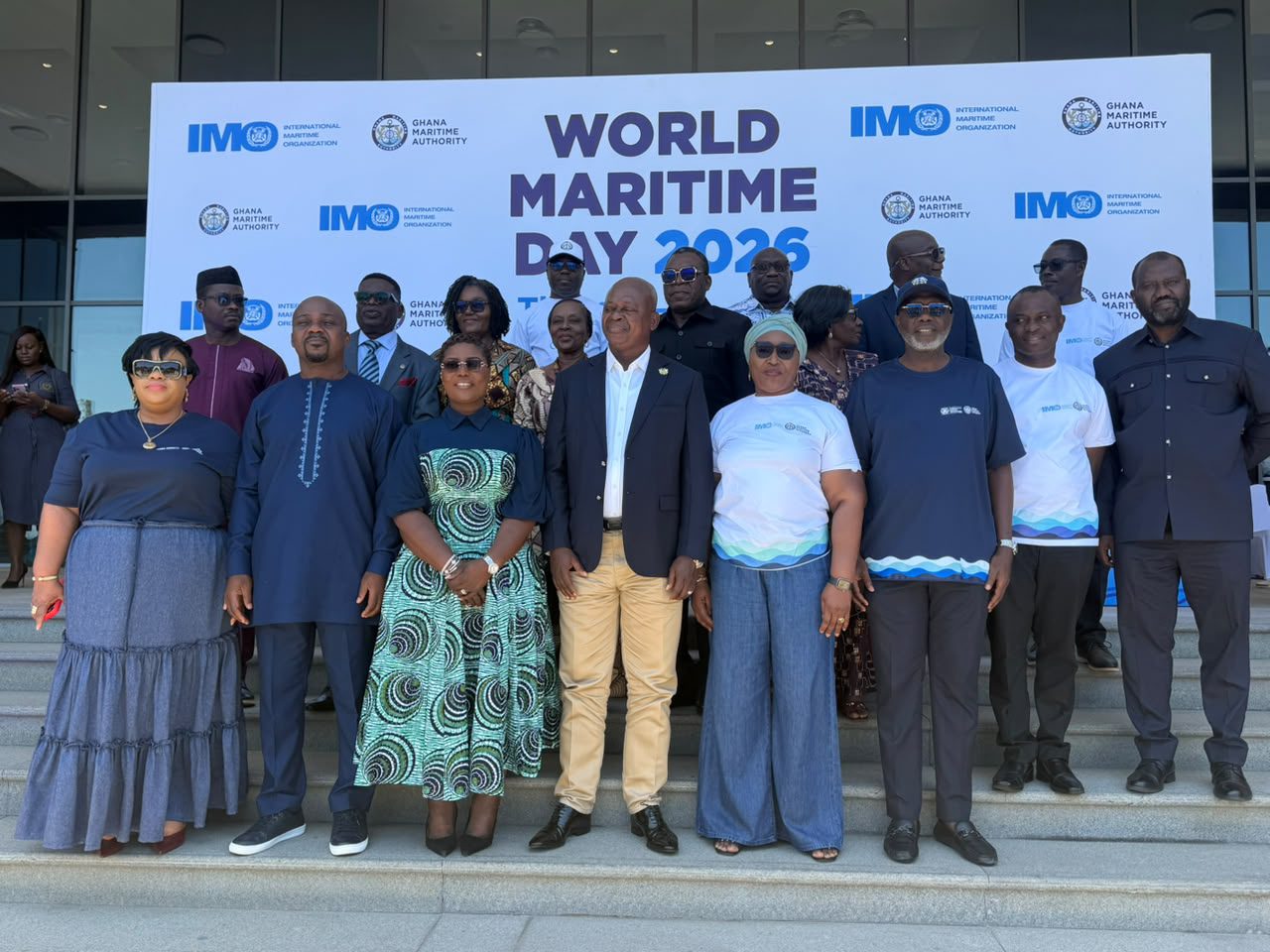
Ghana is intensifying efforts to position itself as West Africa’s leading maritime hub through major port expansions, digital transformation, enhanced maritime surveillance, and stronger regulatory oversight, Minister for Transport Hon. Joseph Bukari Nikpe has announced.
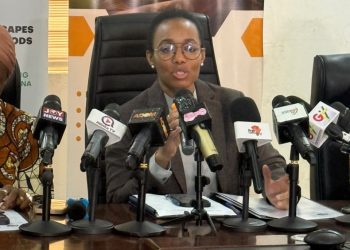
Speaking at a World Maritime Day Symposium in Accra under the theme, “From Policy to Practice: Empowering Maritime Excellence,” the Minister said the government is committed to translating maritime policies into measurable outcomes that will strengthen trade, improve safety, and drive economic growth.
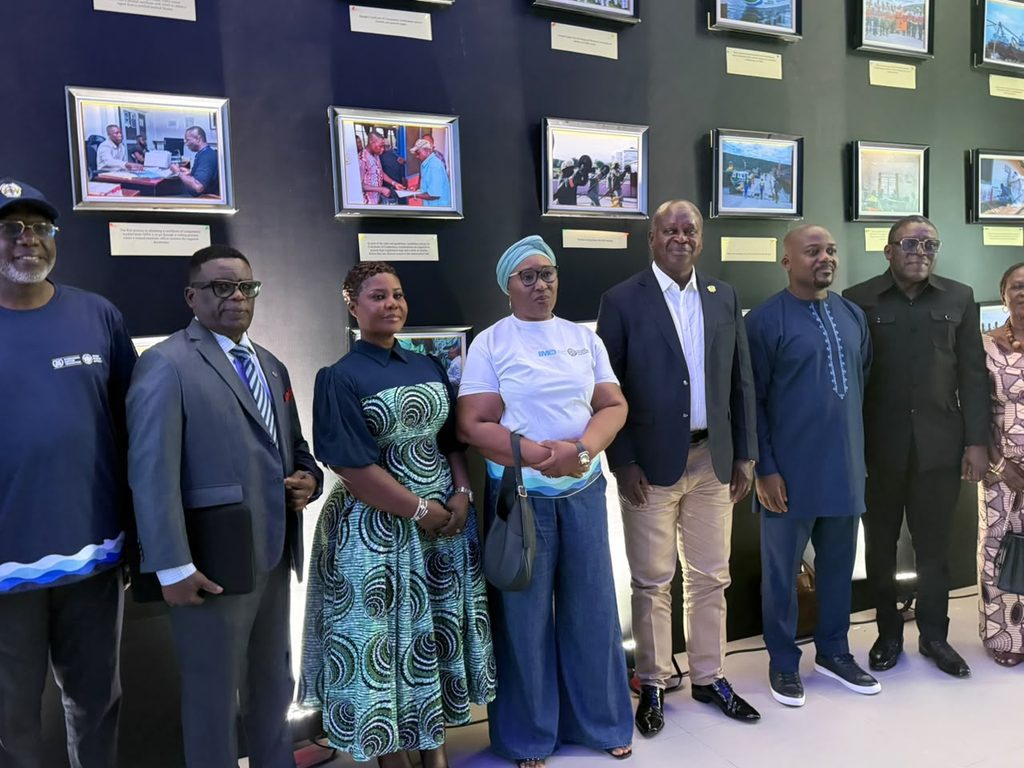
The symposium brought together key stakeholders in the maritime industry, including representatives from government agencies, development partners, industry players, and students from the Ghana Maritime University.
Hon. Nikpe noted that the maritime sector remains a cornerstone of Ghana’s economy, facilitating between 80 and 90 percent of the country’s international merchandise trade and supporting more than US$35 billion in trade activities.
According to him, container traffic through the Tema and Takoradi ports is expected to exceed 2 million Twenty-foot Equivalent Units (TEUs) by the end of 2025, reflecting the growing importance of Ghana’s ports within the sub-region.
To sustain this growth, the Minister outlined a number of strategic initiatives, including ongoing expansions at the Tema and Takoradi ports, construction of a new berth by the Ghana Ports and Harbours Authority (GPHA), continued digitisation of port operations, and investments aimed at strengthening ship repair and offshore service capabilities.
He also announced plans to establish a national hydrography office to enable Ghana to produce its own nautical charts rather than relying on foreign sources, a move expected to improve navigational safety while creating skilled employment opportunities.
Other planned interventions include the expansion of port access roads and the development of a rail connection between Tema Port and the Unity Terminal to improve cargo movement and logistics efficiency.
“We must move from policies on paper to measurable results,” the Minister said, stressing the need for stronger collaboration among stakeholders, greater protection for seafarers and fishing communities, improved environmental safeguards, and deeper digital transformation across the maritime sector.
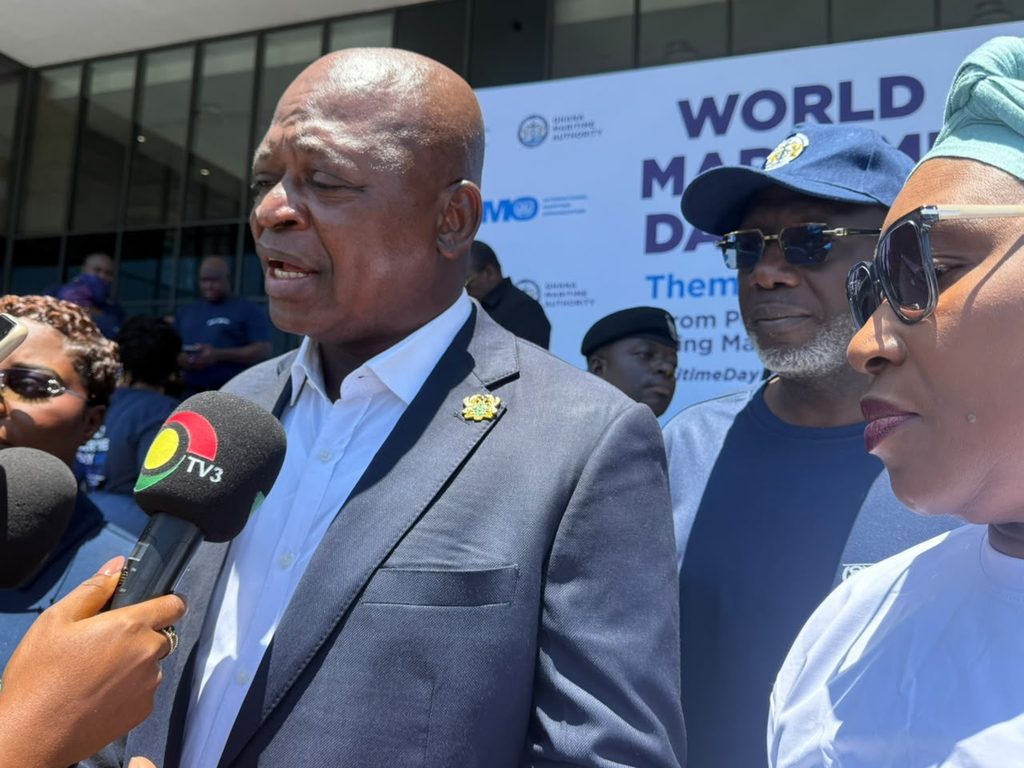
The Minister reaffirmed the commitment of President John Dramani Mahama’s administration to building a safe, secure, innovative, and environmentally sustainable maritime industry capable of driving national and regional transformation.
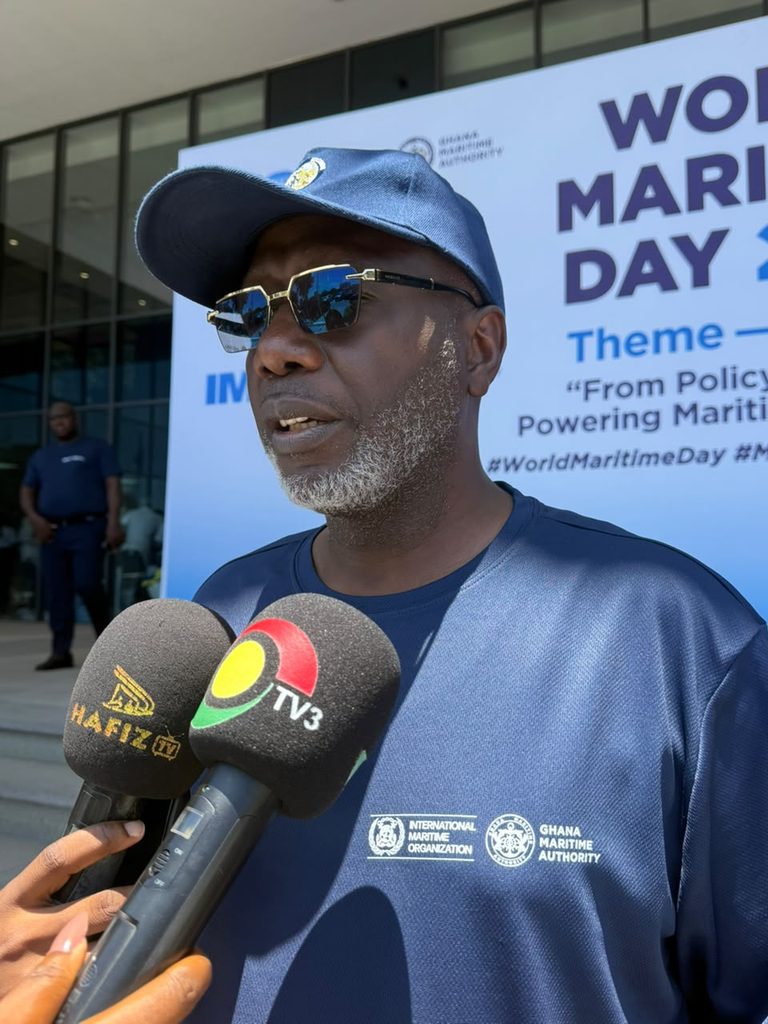
Providing an overview of the sector’s performance, Director-General of the Ghana Maritime Authority (GMA), Dr. Kamal-Deen Ali, said Ghana’s maritime industry continues to exceed expectations and remains one of the country’s strongest-performing sectors.
According to him, cargo volumes have already surpassed earlier projections.
“The projections were that Ghana would record about 1.8 million TEUs this year, but we have already exceeded 2.4 million TEUs and could reach between 2.6 and 2.7 million TEUs by the end of the year due to increased trade activities,” he stated.
Dr. Ali attributed the growth to confidence in Ghana’s ports, stable governance within the maritime space, and the country’s increasing attractiveness as a gateway for regional trade.
He explained that the Ghana Maritime Authority is responsible for implementing international maritime conventions and ensuring effective governance of Ghana’s maritime domain, which spans approximately 200 nautical miles offshore—an area equivalent to nearly two-thirds of the country’s land size.
According to him, the Authority works to ensure vessels comply with international safety standards, labour regulations, cargo handling requirements, and environmental protection measures.
“We ensure that ships operating within our waters comply with international safety standards, cargo handling protocols, labour requirements and environmental regulations. These measures are necessary to protect lives, safeguard trade and prevent maritime pollution,” he said.
Dr. Ali further revealed that the Authority is expanding its operational presence along Ghana’s coastline and inland waterways while investing in enhanced maritime surveillance systems.
He announced that an upgraded maritime domain awareness system is expected to become operational by the end of the year or during the first quarter of next year, significantly strengthening the country’s ability to monitor vessel movements and secure its maritime environment.
The Director-General described the maritime sector as the backbone of global commerce, noting that Ghana’s economic development remains closely linked to the efficiency, safety, and competitiveness of its ports and shipping industry.
He assured Ghanaians that the Authority remains committed to safeguarding the nation’s waters and supporting trade despite the challenges associated with monitoring a vast maritime space.
The symposium also featured solidarity messages from the Deputy Chief Executive Officer of the Ghana Shippers Authority, the Deputy Chief Executive Officer of the Ghana Ports and Harbours Authority, and the Regional Representative of the International Organization for Migration (IOM) for West and Central Africa.
The speakers collectively emphasized the importance of collaboration, innovation, skills development, and effective implementation of maritime policies to unlock the full potential of Ghana’s maritime sector and strengthen its position as a leading maritime destination in Africa.
Participants at the event included maritime regulators, shipping operators, port officials, development partners, academics, and students from the Ghana Maritime University, all of whom reaffirmed the need to bridge the gap between policy formulation and practical implementation in order to achieve maritime excellence.
Story Osman Issah Abadoo