President John Dramani Mahama has intensified his administration’s push to attract diaspora investment, using a high-level engagement with Ghanaians in the United States to showcase what he described as significant economic recovery, renewed investor confidence and major reforms in Ghana’s energy sector under the government’s Reset Agenda.
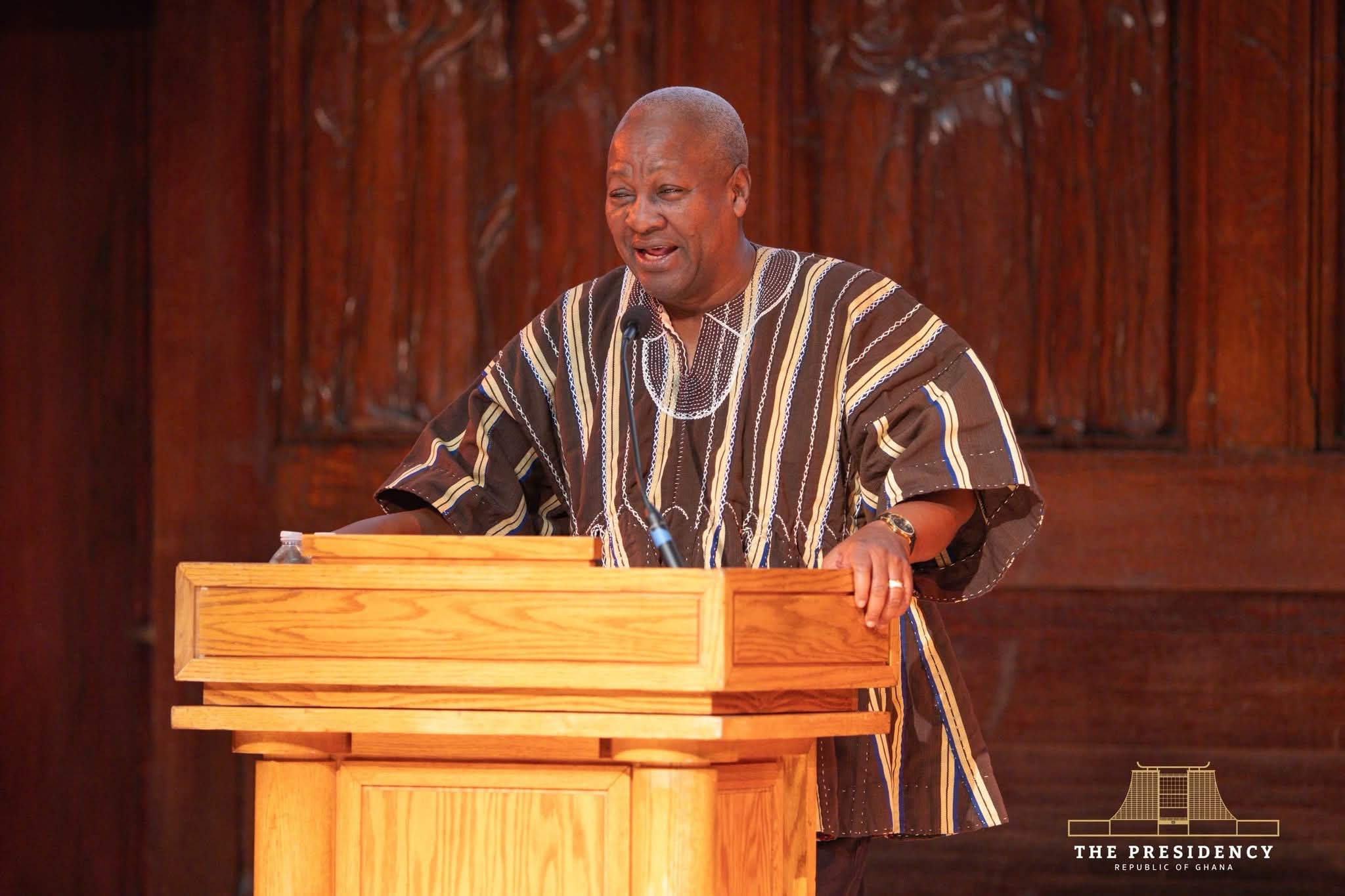
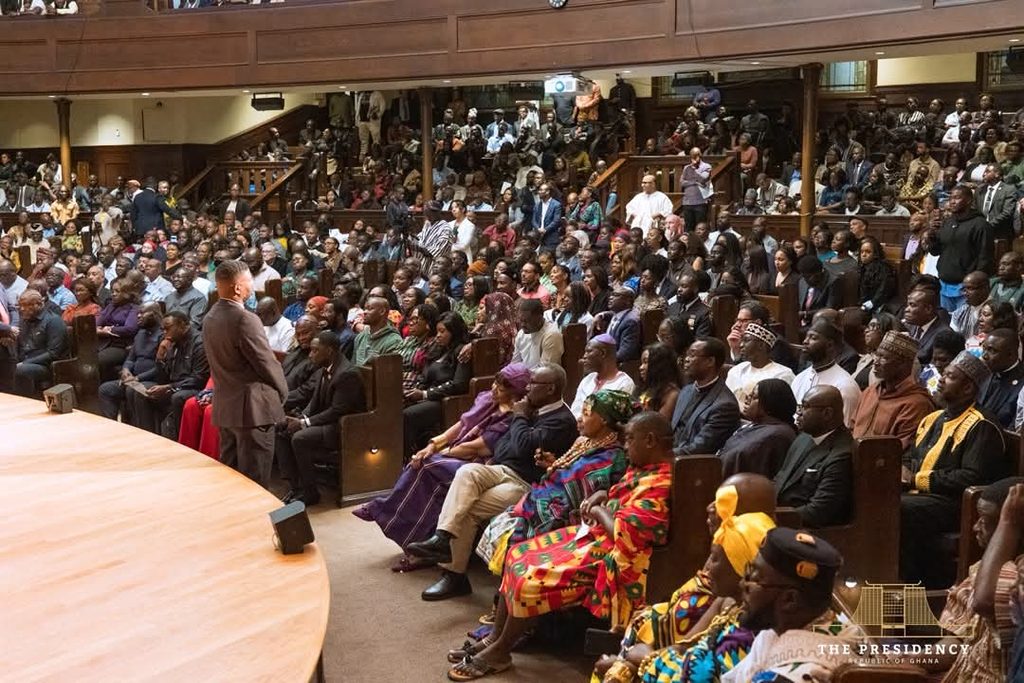
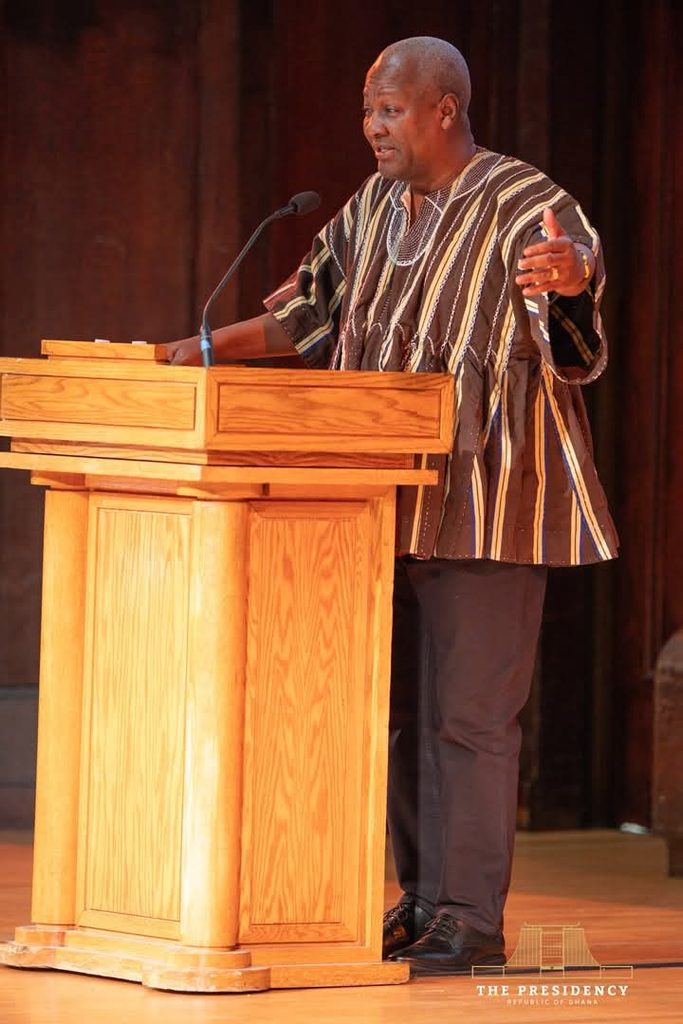
Addressing a Presidential Town Hall Meeting with Ghanaians living abroad on the sidelines of the 81st United Nations General Assembly (UNGA) in New York, President Mahama called on members of the Ghanaian diaspora to play a more active role in Ghana’s development by investing in the country and contributing their expertise to national transformation efforts.
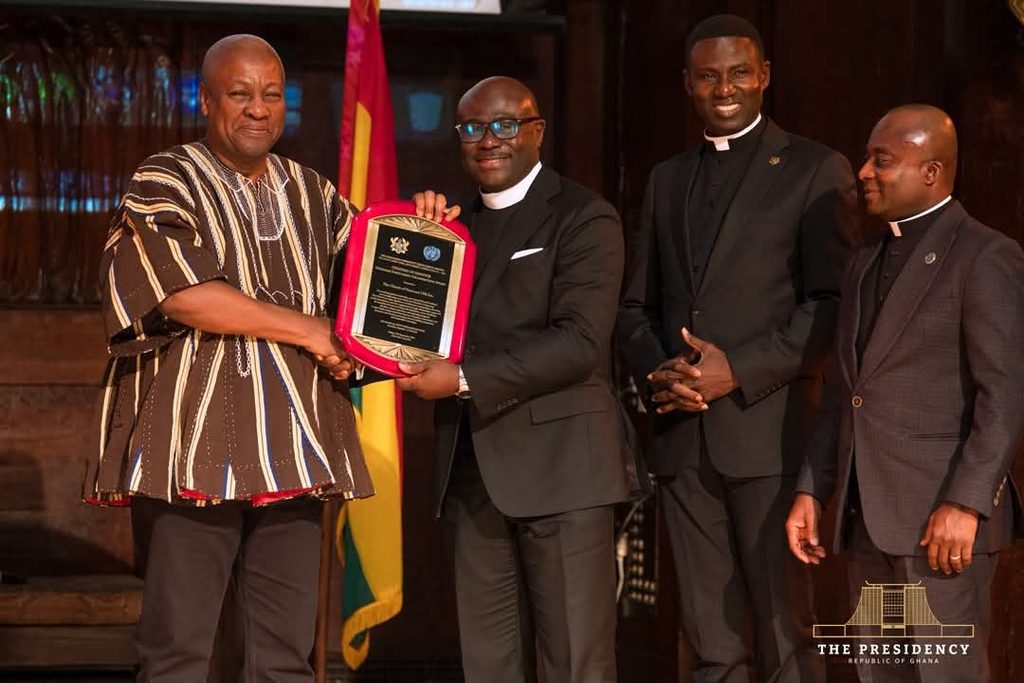
The President revealed that government is developing a structured investment framework that will allow Ghanaians abroad to invest securely in Ghana through regulated portfolios with clearly defined returns, a move aimed at unlocking diaspora capital for national development.
According to him, the diaspora remains one of Ghana’s most valuable assets and has a critical role to play in driving economic growth, job creation and private sector expansion.
President Mahama also advised Ghanaians considering a permanent return home to adopt a gradual reintegration process, encouraging them to establish businesses and investment streams before relocating permanently.
The President used the forum to highlight what he described as growing stability in the Ghanaian economy, pointing to improvements in fiscal management, debt sustainability and currency performance.
He stated that his administration inherited an International Monetary Fund (IMF) programme that had encountered challenges following fiscal slippages ahead of the 2024 elections but said government had implemented corrective measures that restored confidence in the programme and strengthened Ghana’s economic outlook.
President Mahama noted that fiscal consolidation efforts had contributed to a reduction in public debt levels and declining interest rates while helping to restore investor confidence.
He further cited the appreciation of the Ghana cedi and improving macroeconomic indicators as evidence that Ghana’s economic recovery strategy was yielding results and creating a more attractive environment for domestic and foreign investment.
Touching on the energy sector, President Mahama outlined plans to expand electricity generation and improve the financial sustainability of the industry.
He disclosed that government is expected to conclude agreements for an additional 1,200 megawatts of gas-fired thermal power generation capacity before the end of 2026 as part of efforts to guarantee reliable power supply to support industrialisation and economic growth.
The President said the expansion would be backed by renewed investments in Ghana’s oil and gas industry, including increased domestic gas production to feed thermal plants and strengthen the country’s energy security.
He revealed that international partners operating in Ghana’s petroleum sector were committing billions of dollars toward new field developments and production expansion, developments he said signal renewed confidence in Ghana’s energy sector.
According to President Mahama, increased activity in the oil and gas industry has already contributed to higher production levels and positioned Ghana to benefit from existing hydrocarbon resources while preparing for the global transition to renewable energy and electric mobility.
The President also highlighted ongoing efforts to restore stability to the power sector through the settlement of obligations owed to Independent Power Producers (IPPs) and reforms within the Electricity Company of Ghana (ECG) aimed at improving revenue collection and ensuring timely payments across the energy value chain.
He stressed that government remains committed to maintaining macroeconomic stability, attracting strategic investments and implementing policies that will sustain economic growth and create opportunities for future generations.
President Mahama told the gathering that beyond remittances, Ghana needs the skills, knowledge and entrepreneurial capacity of its citizens abroad to accelerate national development.
The town hall formed part of the President’s engagements during the UN General Assembly and provided an opportunity for him to update the Ghanaian community in the diaspora on the progress of the Reset Agenda while encouraging stronger participation in Ghana’s economic transformation.
Story by Osman Issah Abadoo