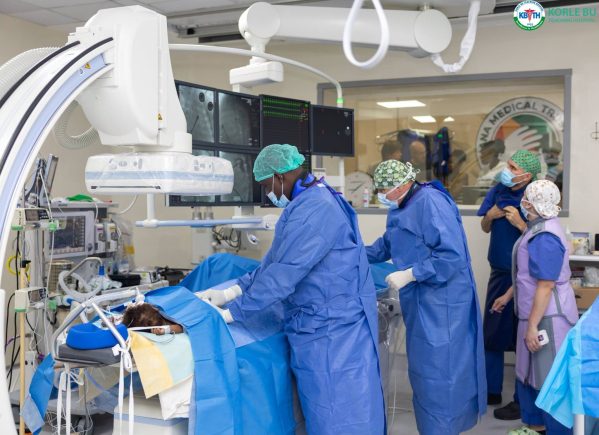
The Ghana Medical Trust Fund (MahamaCares) has financed life-saving cardiac surgeries and other medical treatments for more than 200 patients, including approximately 150 children, at the Korle Bu Teaching Hospital, providing critical financial relief to families struggling to afford specialised healthcare.
Administrator of the Fund, Obuobia Darko-Opoku, disclosed that the intervention forms part of a broader effort to remove financial barriers to specialist treatment and strengthen the capacity of hospitals to deliver essential medical services across the country.
Speaking at the Invest Ghana Summit 2026 in Accra on Tuesday, November 17, she said the Fund was working to ensure that patients requiring complex medical procedures could receive timely and quality treatment without being prevented by the cost of care.
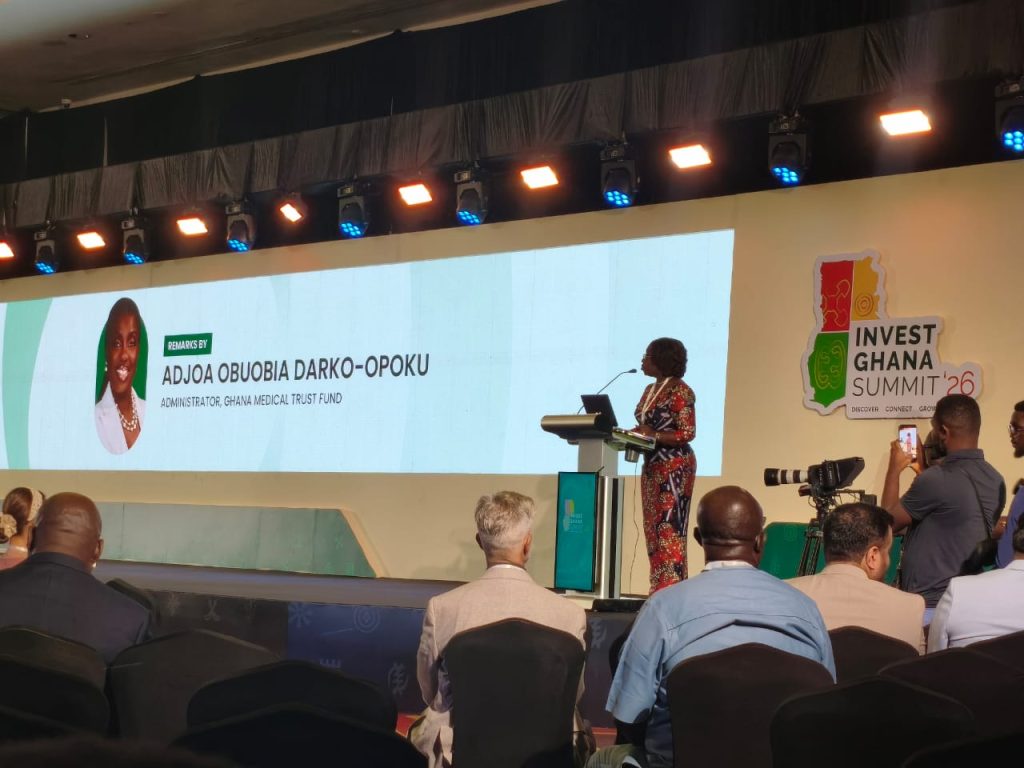
Mrs Darko-Opoku explained that following the establishment of the Fund in 2025, a nationwide needs assessment was undertaken to identify critical gaps in healthcare delivery.
The assessment involved visits to teaching, regional and referral hospitals, where medical professionals were consulted on equipment shortages, treatment limitations and the frequency with which patients were referred to other facilities because essential services were unavailable.
According to her, the findings informed the Fund’s initial interventions, including the establishment of a new cardiac catheterisation laboratory at the National Cardiothoracic Centre of the Korle Bu Teaching Hospital.
The facility replaces a previous unit destroyed by fire and has strengthened the hospital’s capacity to undertake critical cardiac procedures.
She disclosed that the Fund had also supported more than 200 patients at the centre, including about 150 children, by helping to cover the costs of surgeries, treatment and other medical expenses.
Mrs Darko-Opoku emphasised that the intervention had provided significant relief to families facing the financial burden of treating children with serious heart conditions.
She further announced that work was ongoing to establish new cardiac catheterisation laboratories at the Tamale Teaching Hospital and the Komfo Anokye Teaching Hospital in Kumasi.
The projects, she explained, are intended to expand access to specialised cardiac care beyond Accra, reducing the need for patients in other parts of the country to travel long distances for essential treatment.
The Administrator stressed that the Fund’s objective extends beyond financing individual patients to addressing the structural challenges that prevent hospitals from providing specialised healthcare.
She said the government was seeking partnerships with businesses, financial institutions, philanthropists and development organisations to expand medical infrastructure, provide specialist equipment and support the training of healthcare professionals.
According to her, improving access to specialised treatment requires sustained investment in hospitals and medical technology, alongside financial assistance for patients who cannot afford the cost of care.
Mrs Darko-Opoku appealed to the private sector to consider healthcare investment an essential part of Ghana’s development agenda, urging businesses to support hospitals in communities where they operate.
She encouraged investors and corporate organisations attending the summit to engage directly with the Fund to identify practical interventions capable of improving healthcare delivery.
The Ghana Medical Trust Fund, established in 2025 under President John Dramani Mahama’s healthcare initiative, is intended to improve access to treatment for serious medical conditions and reduce the financial burden on affected patients and their families.
Its participation in the Invest Ghana Summit 2026 formed part of efforts to attract private sector partnerships into healthcare infrastructure, specialist medical services and patient support.
Mrs Darko-Opoku maintained that the ultimate objective was to build a healthcare system in which more Ghanaians, regardless of their location or financial circumstances, could access the specialist treatment they require within the country.
She expressed hope that sustained collaboration between government and the private sector would enable more families to receive timely medical attention and avoid the distress associated with inaccessible or unaffordable treatment.