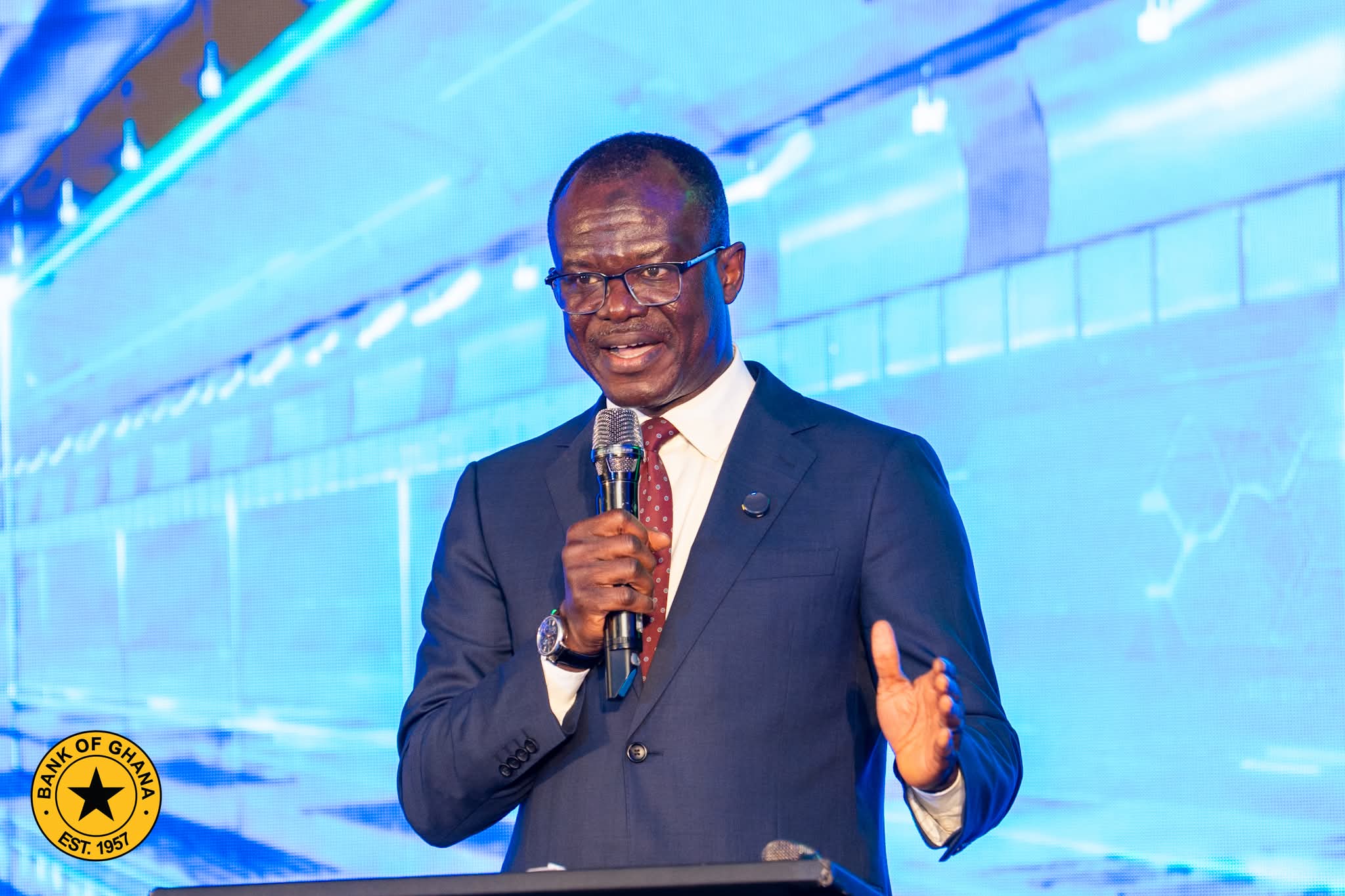
The First Deputy Governor of the Bank of Ghana, Dr Zakari Mumuni, has stressed that macroeconomic stability and credible institutions are essential to attracting long-term investment, warning that economic uncertainty undermines investor confidence and private-sector growth.
He maintained that central banks have a responsibility to create a stable and credible monetary and financial environment within which businesses and investors can make informed decisions, rather than determine the commercial viability of individual investment projects.
Speaking at the High-Level West Africa–Asia Capital Dialogue, held on the sidelines of the IMF–World Bank Annual Meetings, Dr Mumuni drew on Ghana’s economic recovery experience to emphasise the importance of sound macroeconomic management in attracting sustainable investment.
According to him, Ghana’s economic turnaround demonstrates that investors require more than promising business opportunities to commit capital over the long term.
He explained that price stability, sustainable public finances and credible institutions provide the foundation upon which businesses can plan, invest and expand their operations.
Dr Mumuni noted that macroeconomic instability creates uncertainty, making it difficult for investors to assess risks, forecast returns and undertake long-term financial commitments.
He argued that a predictable economic environment is particularly important for investment projects that require substantial capital and extended periods before generating returns.
The First Deputy Governor also clarified the role of central banks in supporting investment and economic development.
“Our job at the central bank does not include determining the commercial success of investment projects but the provision of a stable and credible monetary and financial environment,” he stated.
His remarks underscore the distinction between the responsibilities of monetary authorities and those of private investors, who must independently assess the financial and commercial prospects of their projects.
While investors are responsible for determining which ventures are commercially viable, central banks are expected to maintain the monetary and financial conditions necessary to support confidence and economic activity.
Dr Mumuni further pointed to Ghana’s economic turnaround as evidence of the importance of maintaining sound economic fundamentals.
He stressed that macroeconomic instability discourages long-term investment, while price stability, sustainable public finances and credible institutions create the conditions for private-sector growth.
The comments come as West African economies seek to attract greater investment and strengthen financial and economic partnerships with Asian markets.
The High-Level West Africa–Asia Capital Dialogue provided a platform for discussions on investment opportunities and the conditions required to facilitate capital flows between the two regions.
Dr Mumuni’s intervention highlighted the importance of macroeconomic credibility in those efforts, particularly the need for countries seeking long-term investment to maintain stable economic conditions and strong institutions.
His central message was that the responsibility of monetary authorities is not to guarantee the success of individual investments, but to provide the stability and confidence necessary for private capital to support sustainable economic growth.