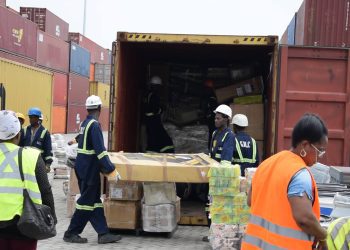
Ghana is set to host the signing ceremony for the United Nations Convention on Negotiable Cargo Documents on October 26, 2026, in a move expected to support trade facilitation, improve access to trade finance and accelerate the digitalisation of international trade documentation.
The convention seeks to establish a harmonised legal framework for negotiable cargo documents in paper and electronic formats across different modes of transport, including road, rail, sea and air.
The Chief Executive Officer of the Ghana Shippers’ Authority, Professor Ransford Edward Van Gyampo, announced this during a media engagement in Accra involving media practitioners, the Ministry of Trade, Agribusiness and Industry, the Ministry of Foreign Affairs and other stakeholders ahead of the signing ceremony.
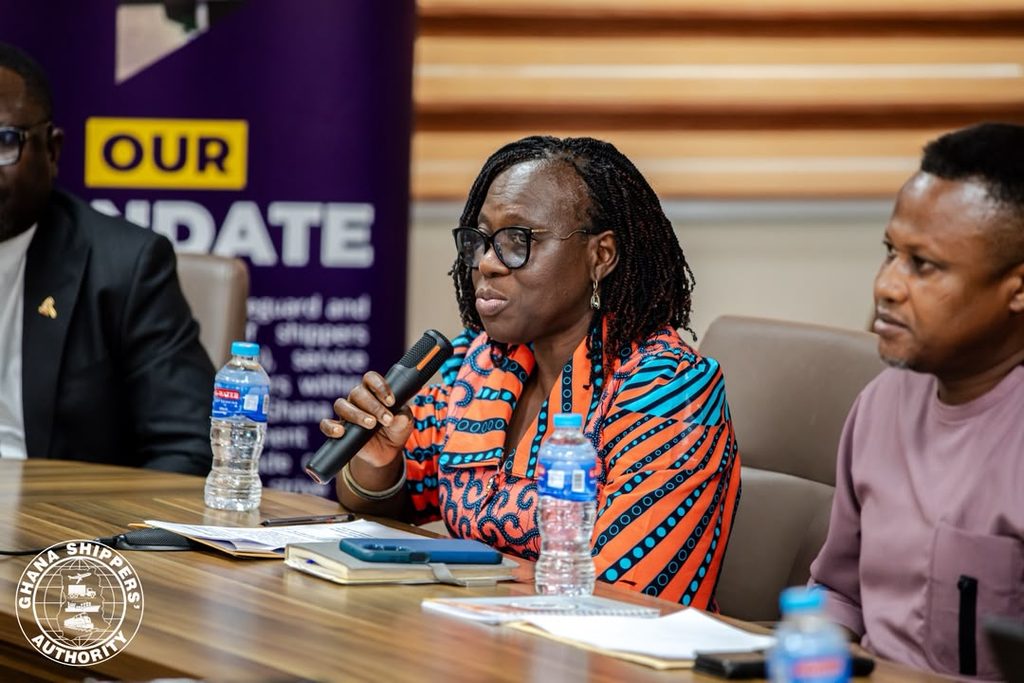
The engagement was organised to familiarise the media with the convention, its objectives and the potential implications for Ghanaian businesses and the wider international trading community.
Professor Gyampo explained that the continued reliance on physical trade documents could slow transactions, increase administrative costs and expose businesses to risks associated with the loss, damage or fraudulent alteration of documents.
He said the adoption of electronic negotiable cargo documents could help address some of these challenges by facilitating the exchange of trade information, reducing paperwork and improving the efficiency of cross-border transactions.
According to him, the convention also has implications for trade financing, as negotiable cargo documents can enable businesses to transfer rights to goods in transit and, subject to applicable legal and financing requirements, use those goods to secure credit.

He noted, however, that hosting the signing ceremony alone would not guarantee the anticipated benefits.
He stressed the importance of further progress towards ratification and implementation, as well as the readiness of businesses, financial institutions, transport operators and regulators to adopt the new framework.
Professor Gyampo called on the media to help educate the public on the convention’s significance, urging journalists to look beyond the ceremony and explain the practical steps required to make electronic cargo documentation effective.
Convention to expand access to trade finance
A presentation delivered during the engagement outlined how the convention could address differences in the legal functions of transport documents used across international trade.

Under existing arrangements, a maritime bill of lading can serve as a receipt for goods, evidence of the contract of carriage and a document of title. Its negotiable nature can allow rights to goods to be transferred while they are in transit and, where accepted by lenders, enable the goods to serve as collateral for trade financing.
However, many documents used for transporting goods by road, rail and air do not generally perform the same negotiable title function.
The United Nations Convention on Negotiable Cargo Documents seeks to address this gap by establishing a common legal framework that allows negotiable cargo documents to be issued across different modes of transport, including multimodal shipments.
The presentation explained that such documents could be issued separately or, where applicable, through an annotation on an existing transport document.
The framework is expected to create opportunities for businesses that need financing while their goods are still in transit, particularly small and medium-sized enterprises that may struggle to access conventional credit facilities.
Electronic cargo documents could also improve the speed of document exchange, support customs processes and reduce delays associated with the handling and verification of physical paperwork.

The presentation further highlighted the convention’s potential to strengthen trade links between landlocked countries and international markets, while creating opportunities for small businesses and women-led enterprises to participate more effectively in cross-border commerce.
Government commits to signing and ratification
Delivering remarks on behalf of the Minister for Trade, Agribusiness and Industry, the Director of Foreign Trade and Negotiations at the Ministry, Stella Akosua Ansah, said Ghana was preparing to sign and pursue the ratification of the convention.
She explained that the framework would provide a legal basis for negotiable cargo documents in both paper and electronic forms, helping to address existing limitations in the use of transport documents across different modes of transportation.

According to her, the convention could improve access to trade finance, strengthen commercial opportunities for small businesses and women entrepreneurs, and support more efficient digital trade systems.
Ms. Ansah said Ghana’s decision to host the signing ceremony reflected the country’s commitment to modernising trade processes and supporting a more efficient international trading environment.
She also indicated that more than 10 countries were expected to travel to Accra to sign the convention, while Ghana was encouraging member states of the Economic Community of West African States (ECOWAS) to participate.

She expressed Ghana’s intention to proceed promptly with its own ratification process.
The convention was adopted by the United Nations General Assembly on December 15, 2025, following six years of negotiations.
Under its entry-into-force provisions, the convention will become effective 180 days after the required 10 instruments of ratification, acceptance, approval or accession have been deposited.
Ghana’s role in modernising international trade
The hosting of the signing ceremony is expected to provide Ghana with an opportunity to demonstrate its commitment to trade facilitation, digital transformation and the development of its logistics and transport sectors.

The convention is particularly relevant to African trade, where goods frequently move across multiple jurisdictions and transport systems, requiring businesses to navigate different documentation procedures and regulatory requirements.
A harmonised framework could help simplify these processes and strengthen the movement of goods across borders, although its practical impact will depend on effective implementation by participating countries and the adoption of the system by industry stakeholders.
For Ghanaian importers, exporters, freight forwarders and other businesses involved in international trade, the framework could offer new opportunities to improve documentation processes and explore financing options linked to goods in transit.

The media engagement brought together representatives of the Ghana Shippers’ Authority, the Ministries of Trade, Agribusiness and Industry and Foreign Affairs, alongside other stakeholders, to discuss the convention and prepare for the October 26 signing ceremony in Accra.
As Ghana prepares to host the event, attention is expected to shift towards the signing, subsequent ratification and the practical measures needed to translate the convention’s objectives into tangible benefits for businesses and the wider economy.
Story by Osman Issah Abadoo