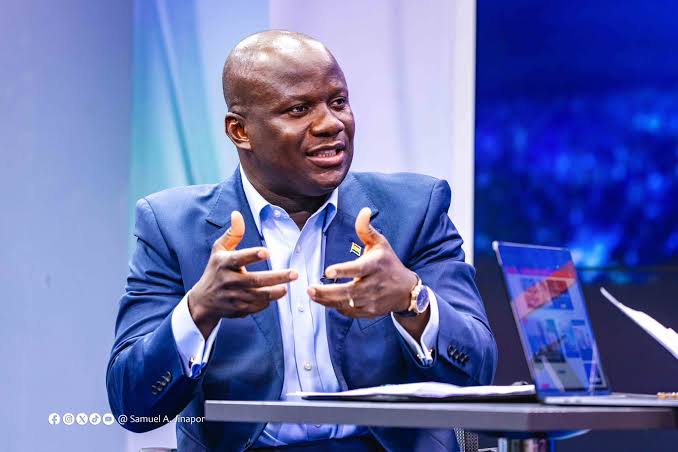
Former Tamale Central Member of Parliament, Inusah Fuseini, has challenged the Minority in Parliament to subject Foreign Affairs Minister Samuel Okudzeto Ablakwa to formal parliamentary scrutiny rather than demand his resignation over alleged financial irregularities in Ghana’s evacuation of citizens from South Africa.
He argues that Parliament provides established mechanisms for interrogating ministers and examining allegations of wrongdoing, which the opposition should exhaust before pursuing political sanctions.
Speaking on Radio Gold, Mr Fuseini described the Minority’s demand for the Minister’s removal as misplaced, insisting that the appropriate first step should be to summon him before Parliament to answer questions about the expenditure.
“I think that their call is misplaced, very, very misplaced in my honest opinion,” he stated.
According to the former legislator, the Minority should use Parliament’s question-time procedure to compel the Minister to explain the documents released by the Ministry of Foreign Affairs following a Right to Information request.
He explained that the process would allow MPs to confront the Minister with specific allegations, demand explanations and present documentary evidence to challenge any responses they considered unsatisfactory.
Mr Fuseini maintained that such proceedings would provide a transparent and authoritative platform for examining the concerns raised.
He said the Minister would be required to respond before Parliament, with opportunities for follow-up questions and further scrutiny of the records.
The former MP argued that where documents appear to reveal wrongdoing, Parliament should become the primary forum for establishing the facts.
“File a question to get the minister to come and explain these things. It’s very important,” he urged.
Mr Fuseini further suggested that the Majority could initiate the parliamentary process if the Minority remained unwilling to do so.
He said bringing the matter before the House would establish an official record of the Minister’s explanations and allow the competing claims to be examined through parliamentary procedures.
The former legislator maintained that such an approach would better serve public accountability by ensuring that the allegations are subjected to detailed scrutiny rather than remaining unresolved in public debate.