Former Tamale Central Member of Parliament, Inusah Fuseini, has accused the New Patriotic Party Minority of exploiting the controversy surrounding Ghana’s evacuation of citizens from South Africa to gain political advantage ahead of the 2028 general election.
He claims the opposition’s handling of the matter suggests a deliberate attempt to damage the reputation of Foreign Affairs Minister Samuel Okudzeto Ablakwa and, by extension, the government, rather than establish the facts surrounding the disputed expenditure.
Speaking on Radio Gold, Mr Fuseini questioned the Minority’s decision to sustain its allegations through press conferences, arguing that the approach appeared calculated to shape public opinion against the Minister.
He believes the opposition was pursuing a political outcome rather than a parliamentary resolution. “They are interested in the political outcome and not the parliamentary outcome,” he stated.
Mr Fuseini suggested that the controversy could become part of the opposition’s political messaging as the country approaches the 2028 elections.
According to him, the strategy was to subject the Minister to public condemnation before the allegations had been conclusively established.
“Try him through the court of public opinion. Tarnish his reputation and condemn him even before you have heard him, and by extension condemn the government,” he said.
The former legislator also challenged the language used by the Minority in describing the alleged financial misconduct.
He argued that expressions suggesting apparent irregularities and possible fraud indicate suspicions requiring further investigation rather than conclusive findings of criminal wrongdoing.
Mr Fuseini maintained that fraud is a serious criminal allegation that must be supported by evidence.
He accused the Minority of keeping the controversy alive without subjecting its allegations to the level of scrutiny necessary to establish their validity.
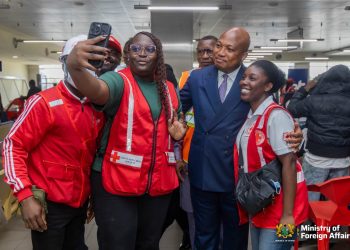
The former MP also defended Mr Ablakwa’s initial decision to publicly disclose details of the evacuation exercise, describing it as a voluntary demonstration of accountability.
He argued that the Minister had provided information about the operation without being compelled to do so, thereby opening the exercise to public examination.
Mr Fuseini maintained that the resulting controversy should not be allowed to become a prolonged political dispute without a definitive examination of the facts.
The Minority, however, has publicly maintained that its demands are driven by concerns about accountability and the management of public funds, rejecting suggestions that the campaign is motivated by political revenge.