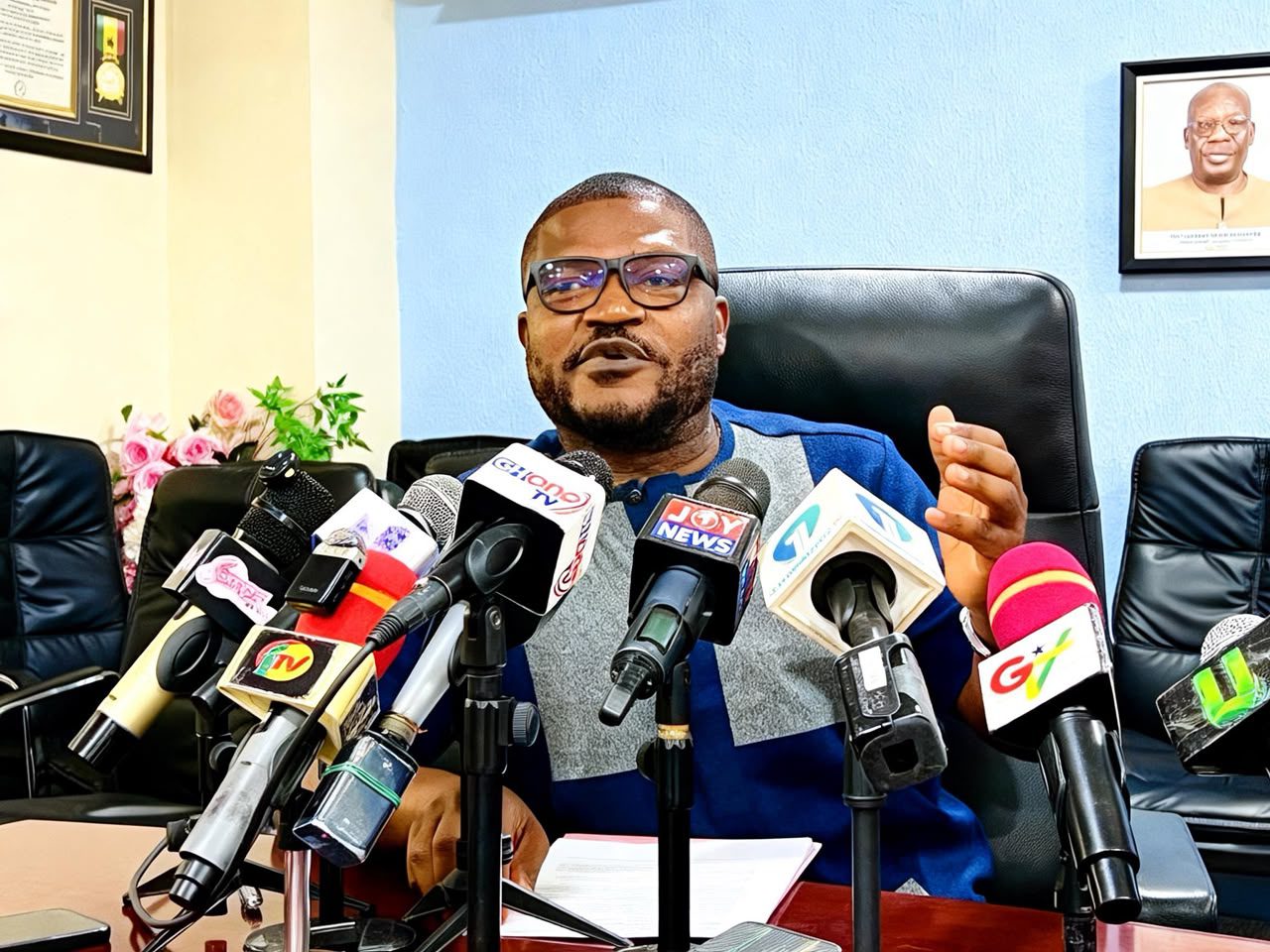
The Chief Executive Officer of the Minerals Commission, Isaac Tandoh, has presented a detailed account of what he describes as 15 years of persistent financial default by Northern Ashanti Mines Limited, insisting that the government acted lawfully in terminating the company’s mineral rights after repeated opportunities to settle its outstanding obligations.
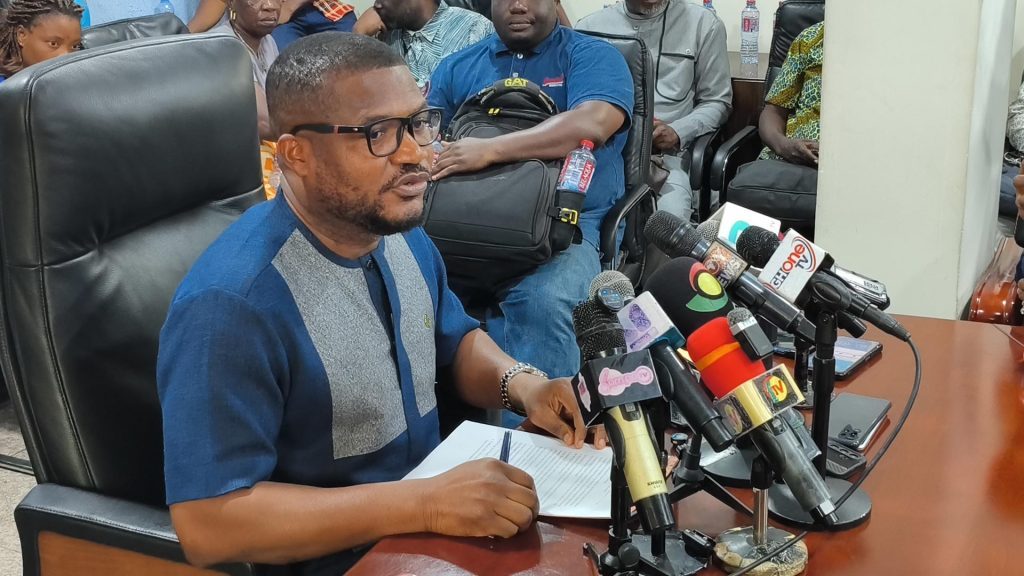
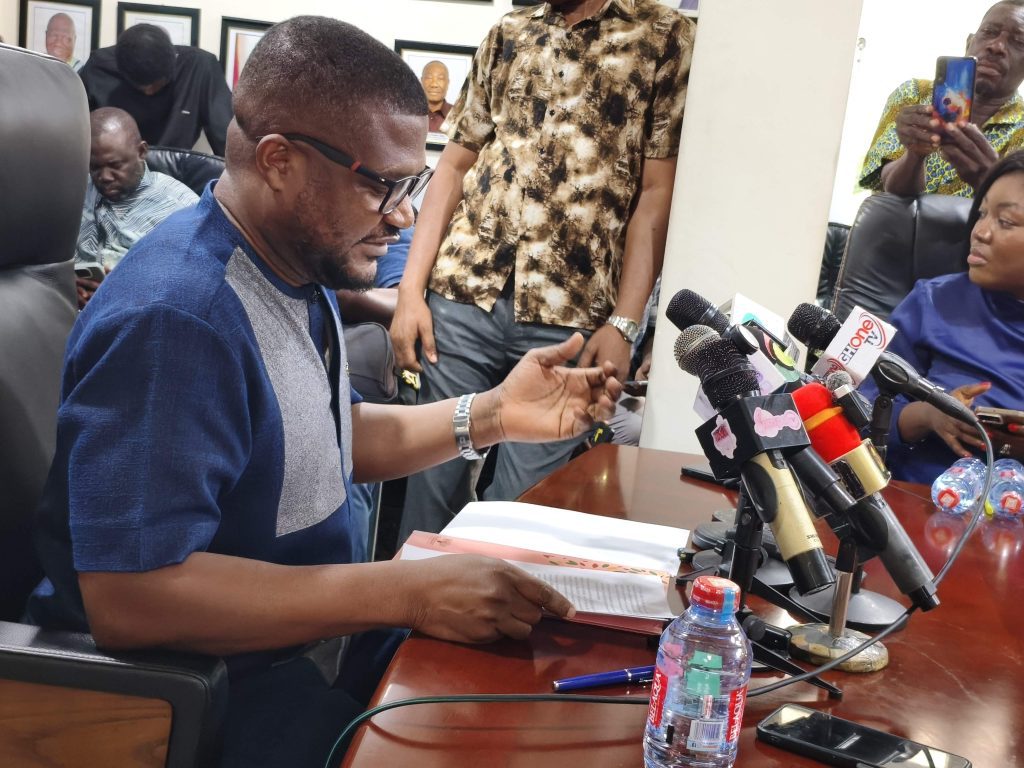
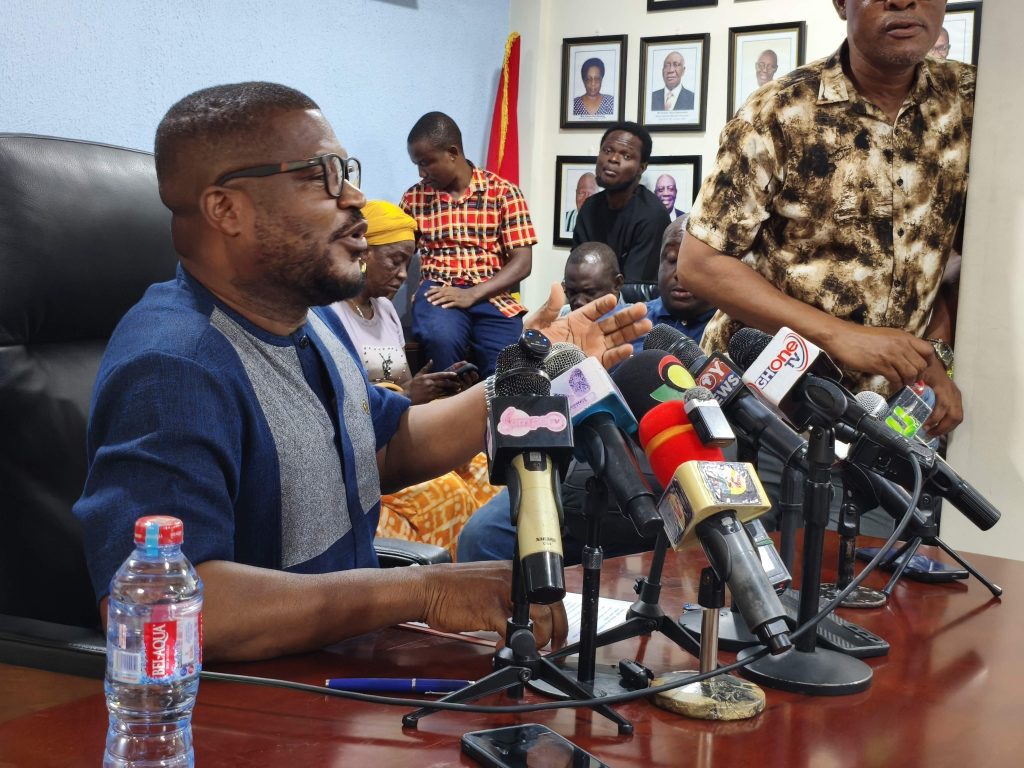
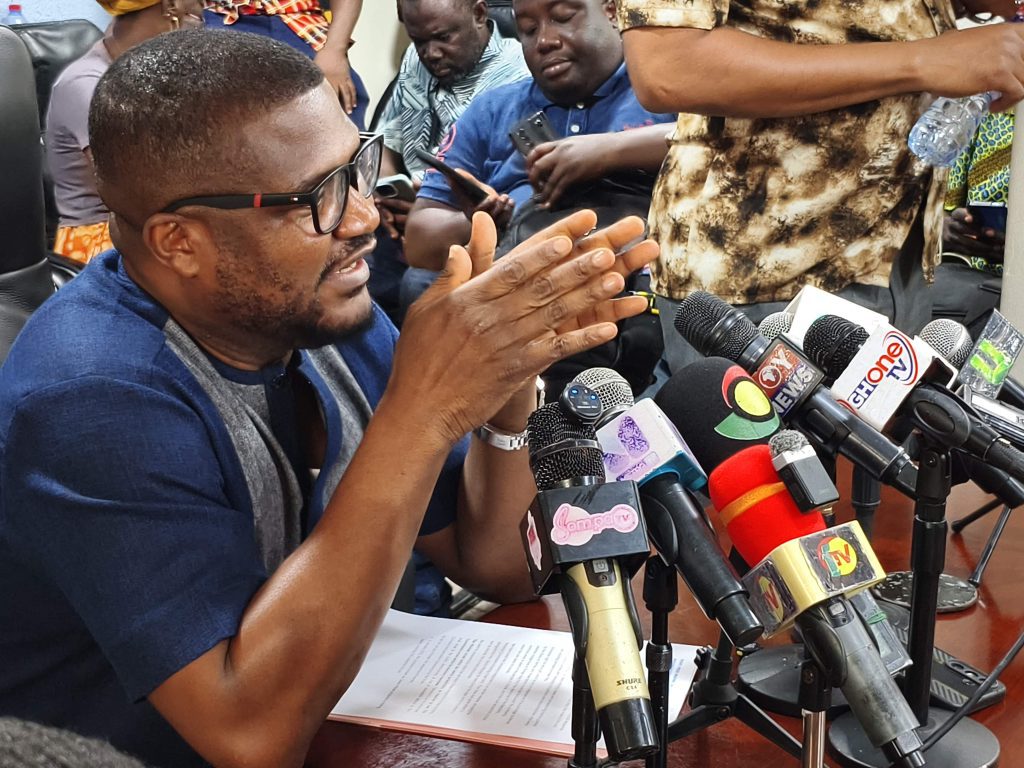
Addressing a press conference at the Commission’s headquarters in Accra on Thursday, October 29, 2026, Mr Tandoh disclosed that the company, formerly known as Owere Mines, had accumulated approximately US$8.38 million in unpaid statutory fees despite several notices and attempts by the regulator to secure payment.
According to him, the Commission’s records show that the company owed US$8,330,000 in Annual Mineral Right fees on mining leases and an additional US$49,928 in fees relating to prospecting licences.
He maintained that the termination was the culmination of a prolonged regulatory process rather than an arbitrary decision by the government.
“The record, as the letters we shall show to the public demonstrate, is one of persistent default by the Company and persistent forbearance by the State,” he stated.
Mr Tandoh explained that Owere Mines acquired a mining lease covering 595 cadastral blocks in January 2010, subject to statutory obligations under the Minerals and Mining Act, 2006 (Act 703).
He said Section 24 of the Act and the terms of the lease required the company to pay Annual Mineral Right fees; an obligation the Commission maintains was repeatedly breached.
The Commission first issued a formal Notice to Remedy Breach on May 28, 2020, when the company’s outstanding obligations had already exceeded US$4 million.
Following the transitional takeover of the company by BCM Investments, management proposed settling the debt in four instalments.
Mr Tandoh said the Commission accepted the proposal in principle in June 2020 but requested specific payment dates because the company’s proposal identified only the years in which payments would be made.
He noted that the company subsequently failed to honour even its proposed repayment arrangement. On November 5, 2020, the Commission again wrote to the company, drawing attention to the outstanding breaches and its failure to comply with the payment plan.
Further notices followed as the debt continued to increase. By October 13, 2022, the amount outstanding had reached US$5,595,238.14, rising to US$6,188,000 by December 29 of the same year.
The Commission issued another notice on April 14, 2025, covering outstanding obligations on both mining leases and prospecting licences. Mr Tandoh said the company again failed to remedy the breaches.
Consequently, on April 7, 2026, the Commission formally requested that the Minister for Lands and Natural Resources initiate the termination process, having determined that the continued non-payment was deliberate and flagrant.
The Minister subsequently approved the issuance of the termination notice, after which the Commission proceeded to terminate the mineral rights.
Defending the decision, Mr Tandoh rejected allegations by Northern Ashanti Mines that the Commission had acted in bad faith.
“The Minister acted within his lawful jurisdiction, as required by law. The Commission acted within its statutory mandate,” he declared.
He stressed that mining rights carry legal responsibilities that must be fulfilled irrespective of whether the holder is a Ghanaian or foreign-owned company.
“A mineral right is not a gift, and it is not an inheritance! It is a privilege conferred by the State on terms, and those terms must be honoured!” he stated.
The Minerals Commission CEO maintained that the company had received sufficient notice and multiple opportunities to regularise its position before the termination.
“The Minerals Commission acted lawfully and followed due process at every stage. The Company was given several opportunities to regularise its position and chose not to,” he concluded.