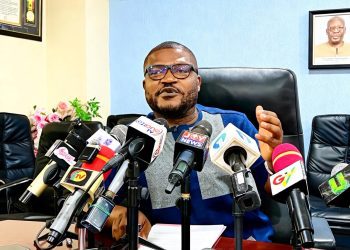
The Minerals Commission has disputed Northern Ashanti Mines Limited’s account of payments made towards its statutory obligations, insisting that the company paid only US$300,000 despite reportedly claiming to have settled US$1 million.
Chief Executive Officer Isaac Tandoh disclosed that the Commission’s financial records showed just two payments amounting to US$300,000, directly challenging the company’s representation of its financial dealings with the regulator.
Speaking at a press conference in Accra on Thursday, October 29, 2026, Mr Tandoh questioned the credibility of the company’s claims and challenged its assertion that the outstanding debt figure presented by the Commission was inaccurate.
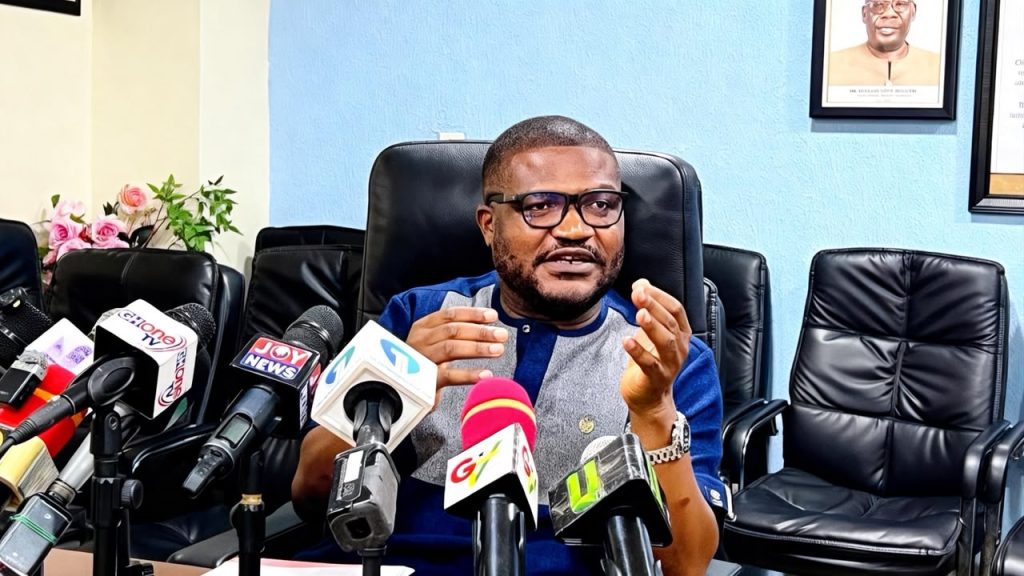
“Furthermore, our records show that the AMR actually paid by the Company amounts to US$300,000, paid in two tranches, and not the US$1,000,000 purported by the Company,” he stated.
Mr Tandoh also questioned the company’s reported claim that it had invested US$200 million in the mining operation while failing to settle its statutory obligations to the state.
“For a company that claims to have spent US$200,000,000 on the mine, what prevented it from paying the US$8,000,000 owed to the people of Ghana?” he asked.
The CEO rejected the company’s challenge to the accuracy of the debt figures, arguing that the accumulated liabilities were supported by the regulator’s financial records.
He explained that the debt had already reached approximately US$6 million by December 2022 and continued to accumulate through 2025.
“The Company now claims that the US$8,000,000 figure is wrong. We invite the public to do the arithmetic,” he said.
Beyond the disputed payments, Mr Tandoh questioned Northern Ashanti Mines’ stated willingness to engage the government in dialogue while simultaneously pursuing legal action against public institutions.
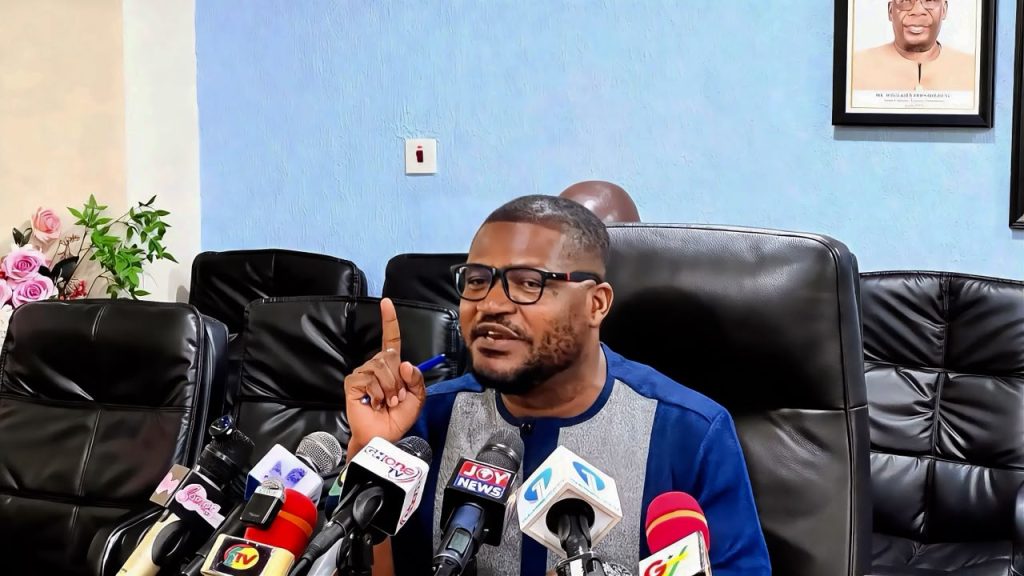
According to him, the company had initiated proceedings against the Minister for Lands and Natural Resources, the Minerals Commission and the Attorney-General.
He argued that the company’s decision to pursue litigation while publicly challenging the regulator’s actions was inconsistent with its professed desire for dialogue.
“The Company now says it seeks dialogue. We state plainly: a company that sues the Hon. Minister, the Minerals Commission and the Attorney-General is not a company seeking dialogue,” he stated.
Mr Tandoh accused the company of attempting to litigate the dispute simultaneously through the courts and the media.
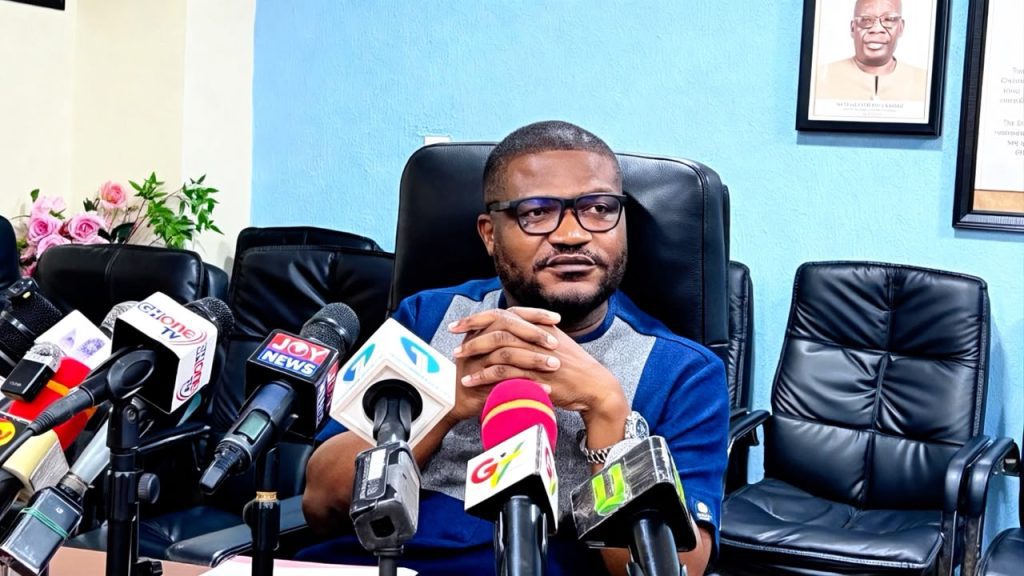
He urged the management of Northern Ashanti Mines Limited to allow the judicial process to determine the legality of the termination instead of conducting what he characterised as a public campaign against the Commission.
The Minerals Commission CEO further disclosed that the state would pursue the recovery of outstanding financial obligations despite the termination of the company’s mineral rights.
He explained that the termination had returned the mineral rights to the state, but had not extinguished liabilities incurred by the company before the decision.
“The Minerals Commission reserves the right, and shall pursue the Company, to pay all sums it owes to the State,” he declared.
Mr Tandoh also emphasised the government’s responsibility to protect mining assets associated with the terminated rights from encroachment, illegal occupation or dissipation.
He cited Section 70 of the Minerals and Mining Act, 2006 (Act 703), which addresses the status of mining assets following the termination of mineral rights.
According to him, the state must ensure that the assets are properly secured while the legal dispute continues.
The Commission CEO maintained that mineral resources belong to the people of Ghana and that companies granted rights to exploit them must fulfil their financial and statutory responsibilities.
“No one is above the law in this country. If you flout the laws, there are sanctions, and those sanctions will apply,” he warned.