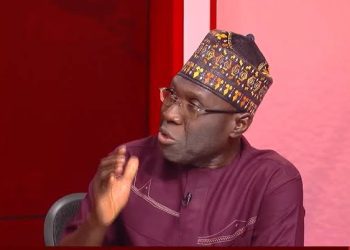
A document checked before publication could become crucial evidence for a publisher whose report later proves false, former MP Inusah Fuseini has explained.
Outlining the verification provisions of Section 208 during an interview with Radio Gold’s Sena Nombo, Fuseini said publishers should be able to demonstrate the steps they took to establish a report’s accuracy.
He illustrated his argument with information traced to an existing document. If a publisher checked that document before reporting its contents, he said, evidence of those checks could support the publisher’s defence when the original information subsequently turned out to be wrong.
Fuseini said the publisher should be able to identify the source and direct investigators to the material consulted.
His explanation concerned the distinction between circulating an unchecked allegation and publishing information after taking steps to verify it.
Section 208(2) provides that a person cannot rely on lack of knowledge of falsity unless they establish that they took reasonable measures to verify accuracy before publication.
Fuseini’s argument places particular importance on what a publisher did before releasing the information, and on the ability to demonstrate those efforts if challenged.