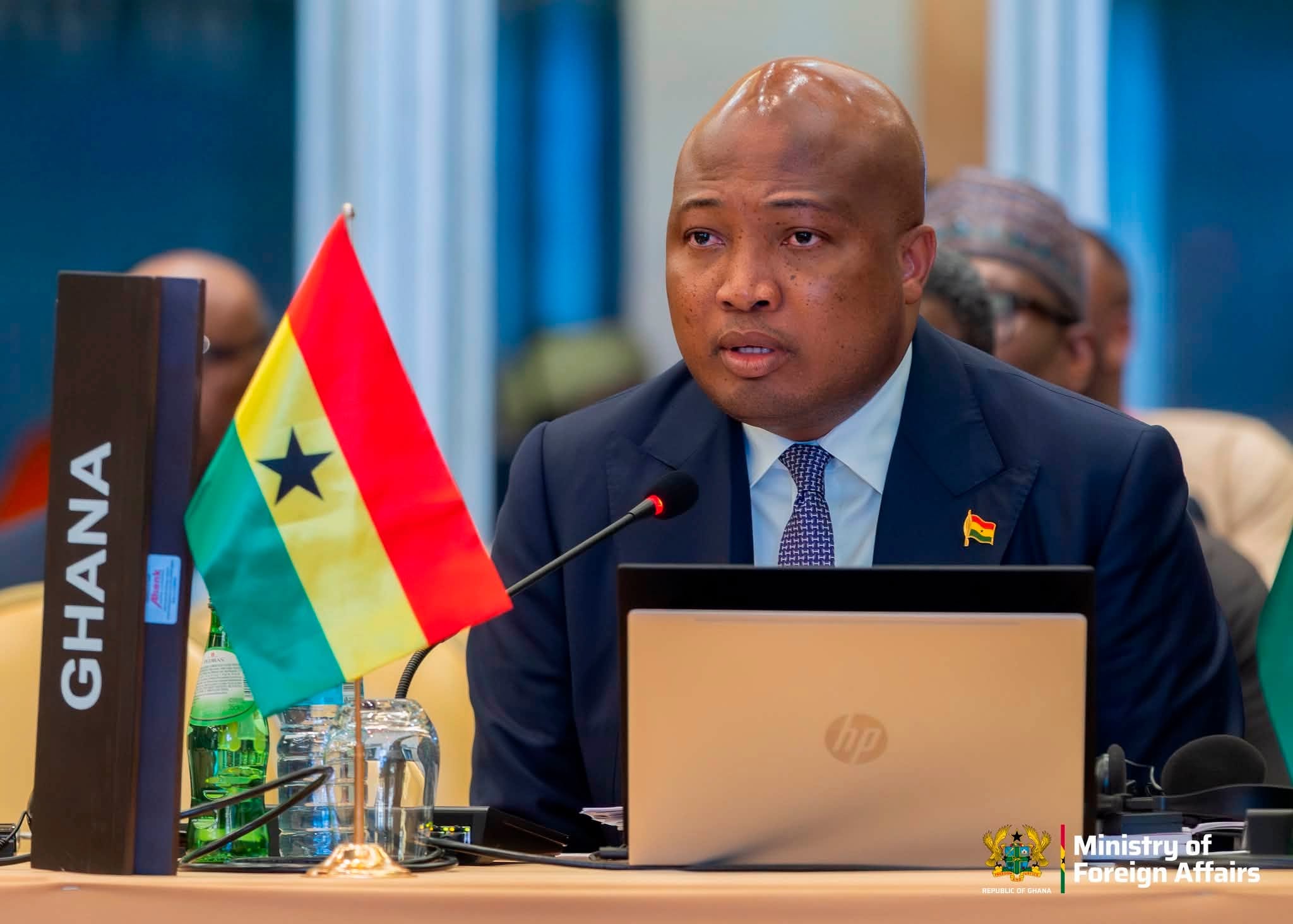
The Ministry of Foreign Affairs says it is prepared to cooperate with an independent parliamentary investigation into allegations of irregular passport issuance, as pressure mounts for broader scrutiny of the administration of Ghana’s diplomatic and service passports.
Francis Gborglah, Director of the Ministry’s Information and Public Affairs Bureau, says the Ministry has no objection to Parliament examining the matter independently, although the decision to institute such an inquiry rests with the legislature.
Speaking on Radio Gold, he explained that the Ministry had already referred suspected criminal conduct to the police and expressed confidence in the ability of investigators to establish the facts.
“If there’s going to be an independent investigation by Parliament, as has been called for, it is for Parliament to make a decision,” he stated.
The Ministry’s position comes against the backdrop of a heated parliamentary confrontation on November 3, when Damongo MP Samuel Abu Jinapor alleged that diplomatic passports were being sold for between US$10,000 and US$50,000.
Majority Leader James Agalga challenged the allegation and demanded evidence, while Speaker Alban Bagbin directed Mr Jinapor to substantiate or withdraw his claim.
The disagreement resulted in the Speaker ordering the MP’s removal from the chamber, prompting a walkout by Minority legislators in solidarity with him.
Minority Leader Alexander Afenyo-Markin subsequently criticised the Speaker’s decision, while the Minority continued demanding accountability over the issuance of official travel documents.
Amid the controversy, Mr Gborglah clarified that service and diplomatic passports were issued to different categories of individuals under established procedures.
He explained that service passports were generally reserved for public officials travelling abroad on official government business, including directors and chief executives of state institutions.
Diplomatic passports, however, are issued to specified categories of officials, including ministers and Members of Parliament, with the Foreign Affairs Minister also exercising discretionary authority in qualifying circumstances.
Mr Gborglah stressed that the Minister’s approval remained central to the issuance of both categories of passports.
He explained that the Chief Director ordinarily communicates the necessary authorisation to the Passport Office after ministerial approval has been obtained.
The Ministry’s spokesperson maintained that these procedures were intended to prevent unauthorised issuance and ensure that official passports were granted only through the appropriate channels.
He further explained that the Ministry’s internal administrative inquiry and the police investigation served different purposes, with criminal liability falling within the responsibility of law enforcement agencies.
Mr Gborglah said the Ministry would make itself available to assist any parliamentary investigation while allowing the police to complete their work.