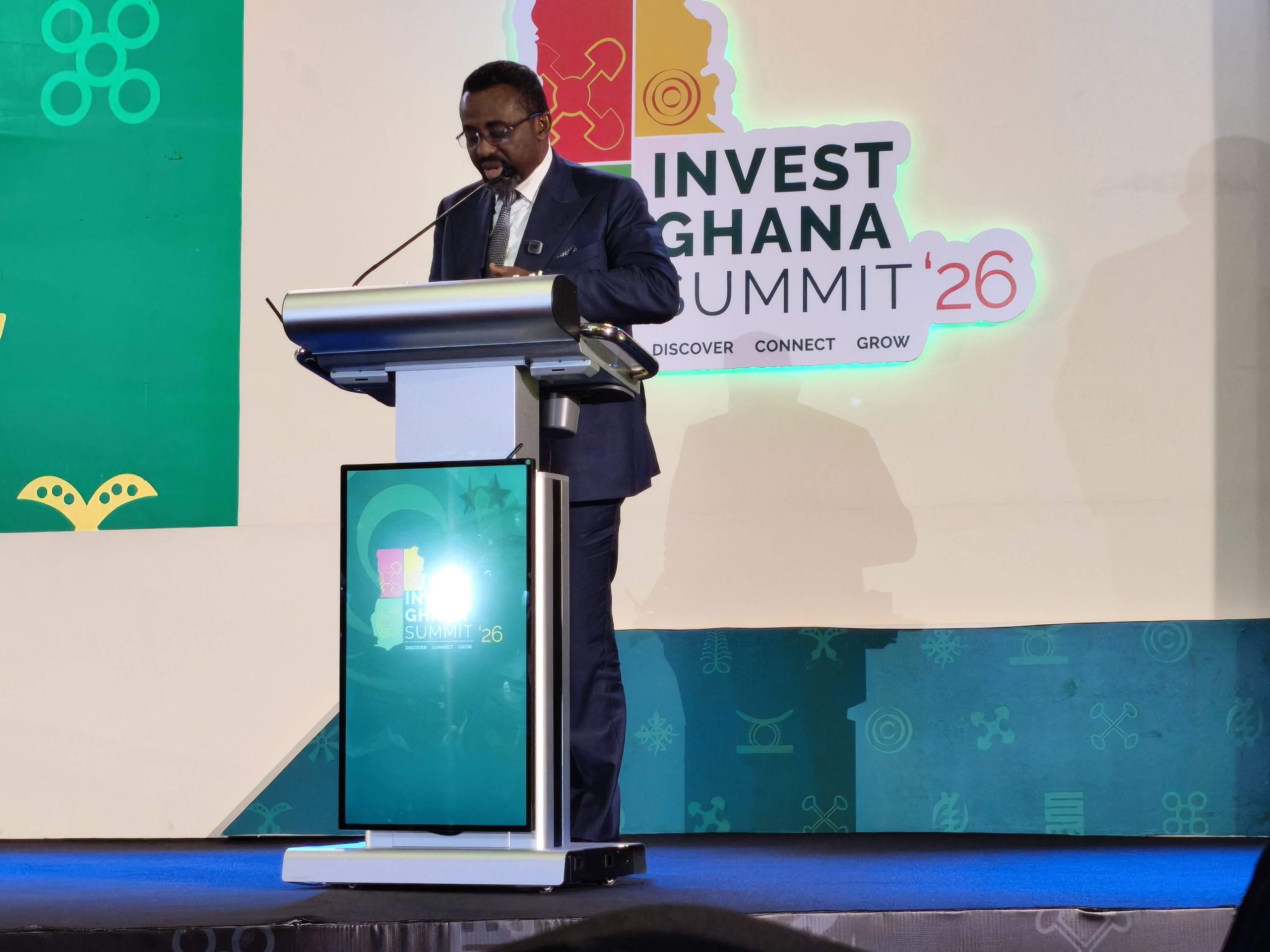
The Bank of Ghana is finalising regulatory guidelines to begin licensing eligible virtual asset service providers, as the country positions itself to become a leading centre for digital finance and virtual assets in West Africa.
Governor Dr Johnson Pandit Asiama says the initiative follows the passage of the Virtual Assets Service Providers Act, 2025 (Act 1154), which established a legal framework for regulating the emerging industry.
Addressing the Invest Ghana Summit 2026, Dr Asiama disclosed that the central bank had inaugurated a Virtual Assets Coordinating Committee in August 2026, bringing together the Bank of Ghana, the Securities and Exchange Commission and other relevant institutions.
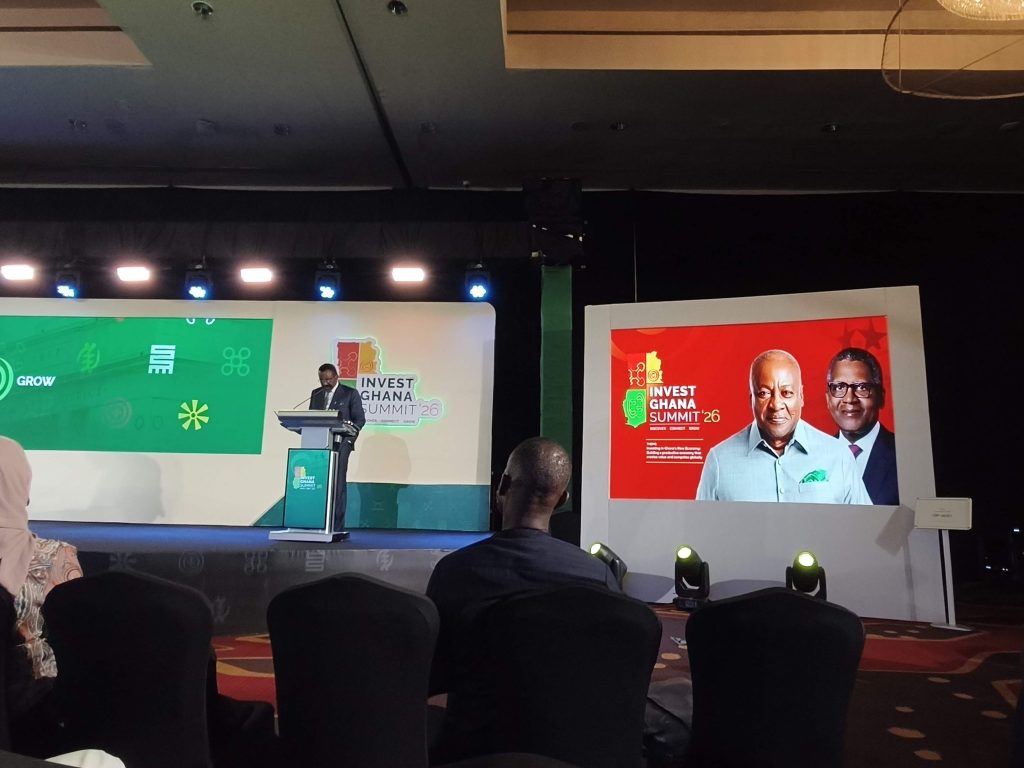
He explained that the committee would support regulatory coordination and oversight as Ghana develops its virtual asset market.
According to him, the Bank is also implementing a national virtual asset literacy initiative to educate the public about the opportunities and risks associated with digital assets.
Dr Asiama stressed that the country’s ambition to become a regional hub for virtual assets must be supported by effective regulation, strong consumer protection and public confidence.
He disclosed that the central bank had established specialised departments for artificial intelligence, data analytics and virtual assets to strengthen its capacity to supervise emerging financial technologies.
The Governor further announced that the Bank was developing a dedicated regulatory framework for fintech companies, alongside innovation hubs intended to support entrepreneurs developing new financial solutions.
Other ongoing initiatives include an open banking framework to facilitate secure, consent-based sharing of customer information among authorised financial institutions, and guidelines to promote fair and transparent digital lending.
Dr Asiama encouraged investors and fintech operators to engage the central bank early in developing their businesses, explaining that the regulator preferred constructive engagement and compliance guidance to enforcement after violations had occurred.
He maintained that Ghana’s growing digital customer base, interoperable payment infrastructure and regulatory reforms offered significant opportunities for investment in financial technology.