German President Frank-Walter Steinmeier has urged German businesses to increase investment in Africa, describing the continent as a region of significant economic opportunities that could help diversify Germany’s traditional export markets.
He called on German companies to be more adventurous, explore emerging markets across the continent and invest in partnerships that would promote shared economic growth and prosperity.
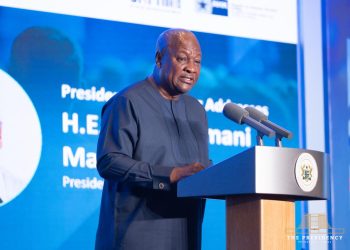
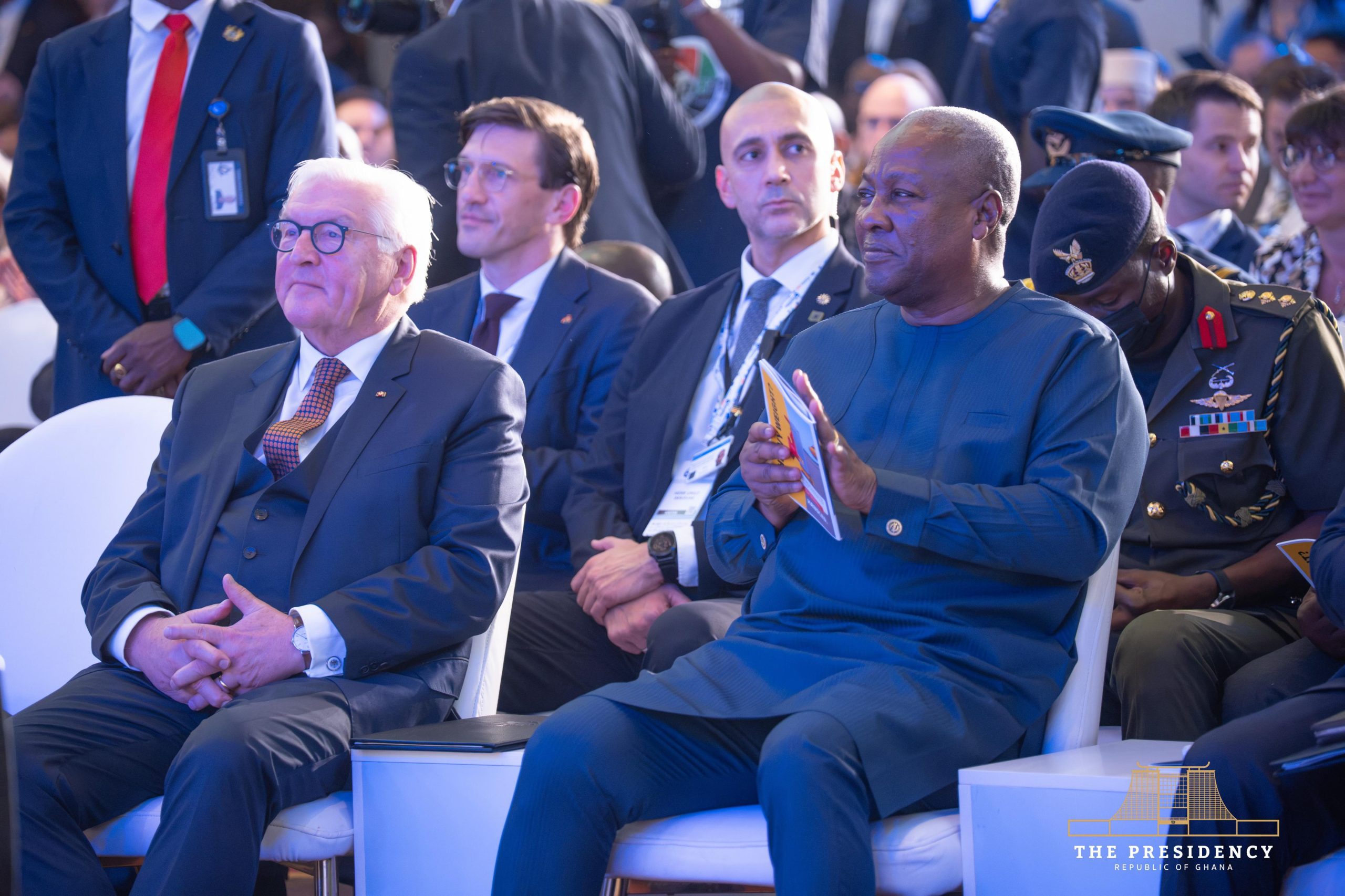
President Steinmeier made the appeal when he addressed the German-African Business Summit in Accra, Ghana, where he joined President John Dramani Mahama to open the sixth edition of the summit.
He said the changing geopolitical and economic environment had created the need for German businesses to reconsider their traditional markets and explore new opportunities in Africa.
For several years, he noted, many German companies had relied on established export markets in North America and China as secure sources of revenue, but geopolitical developments had undermined some of those certainties.
“This poses a great challenge to the German business sector. However, you can see it differently. It is time for new horizons, time to take a closer look at economic opportunities still waiting for us, still waiting for us here in Africa,” he stated.
President Steinmeier described the German-African Business Summit as an important bridge between German businesses and their African counterparts, providing opportunities to establish partnerships, facilitate investment and expand trade.
He disclosed that trade between Germany and African countries increased by approximately 10 per cent in the previous year, reaching a new record.
However, he said the existing trade relationship remained below its full potential and urged businesses to take advantage of the opportunities available across the continent.
“If I may make a wish at this last German-African Business Summit that I will attend in my official capacity, I would urge the German business sector to make use of the opportunities in the African countries, be curious, take risks and invest in our common future,” he said.
Calls for reforms and stronger AfCFTA implementation
President Steinmeier also challenged African governments to sustain economic reforms, facilitate trade and open up new trade routes to support economic growth and strengthen international business partnerships.
He said the successful implementation of the African Continental Free Trade Area (AfCFTA) was essential to unlocking the continent’s economic potential.
He described the initiative as the world’s largest free trade area of its kind and said its implementation offered significant opportunities for increased trade, investment and economic integration.
“Please do not waver in your endeavours to implement necessary reforms and create ways to facilitate trade on your continent and open up new trade routes,” he urged African leaders.
He said the reforms were necessary to create an enabling environment for businesses, generate employment and improve living conditions, particularly for the continent’s young population.
According to him, economic growth must translate into meaningful opportunities for young people, many of whom are eager to contribute to the continent’s development and secure better livelihoods.
“The key to this is economic growth, economic growth that gives young people prospects for a better life, and that is precisely why this summit is so important. It can help to establish new contacts, create more jobs, and generate greater prosperity,” he said.
He assured African countries that Germany and its businesses were prepared to serve as reliable, strong and transparent partners in advancing the continent’s economic development.
Africa and Europe need each other
President Steinmeier stressed the importance of stronger cooperation between Africa and Europe in addressing global challenges, including climate change, poverty, food insecurity and the rapid transformation of economies through artificial intelligence.
He said his numerous visits to African countries over the past two decades had reinforced his conviction that the two continents needed each other to address the challenges confronting the international community.
“Only by working together can we overcome the enormous challenges of our time: curbing climate change, which hits African countries especially hard; fighting hunger and poverty; and shaping the AI era that is changing people’s lives so dramatically,” he said.
Reflecting on his engagements with young African entrepreneurs and technology professionals, President Steinmeier said he had been particularly impressed by their creativity, innovation, courage and determination to build businesses and contribute to their countries’ development.
He cited his visits to the iSpace Foundation incubator in Accra, Silicon Lagoon in Lagos, iHub in Nairobi and the BMW IT Hub Control Centre in Pretoria as examples of the entrepreneurial energy and technological innovation he had witnessed across the continent.
He also highlighted Germany’s ‘Afrika Kommt’ initiative, which provides opportunities for young African professionals to gain experience in German companies and institutions.
He said the programme had benefited both African participants and Germany by facilitating the exchange of knowledge, skills, experience and different perspectives.
Calls for a fairer international order
The German President further called for reforms in international organisations, particularly the United Nations, to ensure that global governance structures reflected contemporary realities and provided African countries with a stronger voice.
He said African countries were increasingly demanding greater responsibility and influence in international affairs and deserved a more meaningful role in shaping decisions that affected the global community.
“It is high time that we ensure in the international organisations, first and foremost in the United Nations, that this order does justice to today’s world. That includes a strong voice for the countries of Africa,” he stated.
President Steinmeier reaffirmed Germany’s commitment to a rules-based international order, peace, development and fairness, warning that growing disregard for international rules by powerful countries threatened global stability.
He observed that ongoing wars and conflicts were creating uncertainty, disrupting global trade and affecting the transportation of goods and raw materials, with significant consequences for African economies.
He therefore advocated stronger cooperation between governments, businesses and development partners, arguing that the international community needed more reliable partnerships rather than a retreat from multilateral cooperation.
According to him, partnerships should not necessarily depend on countries sharing identical positions on every issue but should be built around common interests and mutually trusted rules.
“We need more cooperation and reliability, not less. I cannot underline strongly enough the need to work together in politics, business, and development,” he said.
Pays tribute to Nkrumah
President Steinmeier also paid tribute to Ghana’s first President, Dr Kwame Nkrumah, describing him as a leader whose vision for the future continued to inspire international cooperation.
He recalled visiting Nkrumah’s mausoleum in Accra during his previous visit to Ghana and referenced the former Ghanaian leader’s call for countries to look towards the future.
Quoting Nkrumah, he encouraged participants at the summit to focus on building constructive partnerships and strengthening economic relations between Germany and African countries.
“Let us look to the future. Let us look ahead and work together on a positive future,” he said.
President Steinmeier, whose tenure as German Federal President is due to end in March, said his numerous engagements across Africa, including more than 30 visits over the past 20 years, had strengthened his commitment to deeper relations between the two continents.
He urged participants not to allow dogmatism and rigid positions to undermine opportunities for cooperation.
“Let us not miss the opportunities and chances we have. Let us not waste our time with bossiness and dogmatism,” he said.
He called for renewed commitment to strengthening economic, political and development partnerships between Germany and African countries.
Story: Patrick Asford Boadu