Education advocates have called for a major shift in how Ghana funds education, arguing that scarce public resources must be directed towards deprived schools and disadvantaged students rather than spread uniformly regardless of need.
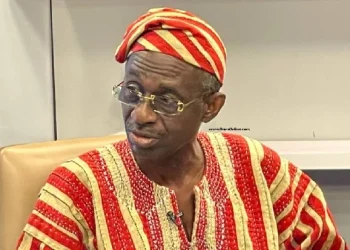
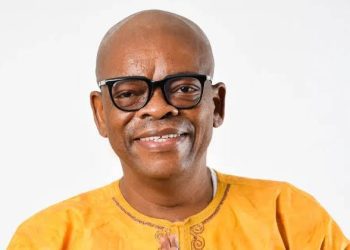
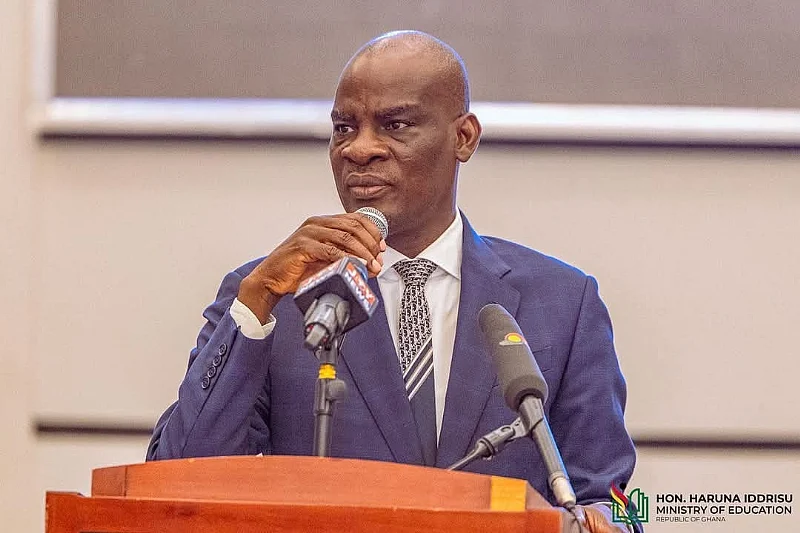
Former President of the National Association of Graduate Teachers (NAGRAT), Eric Angel Carbonu, and Education Watch Programme Officer Kwesi Nimo say persistent infrastructure deficits, unequal teacher distribution and inadequate funding at the basic level require more targeted government intervention.
Speaking separately on the Gold Morning Conversation, the two questioned aspects of the current education financing system and called for difficult policy choices to address disparities between well-resourced and underserved schools.
Carbonu proposed that Category A senior high schools be converted into fee-paying institutions, arguing that many families competing for places in the country’s most sought-after schools have the capacity to contribute towards the cost of their children’s education.
He said resources saved under such an arrangement could instead be channelled into improving Category B and C schools and strengthening education in communities where students face greater disadvantages.
“While the goal of poverty alleviation is important, efforts to uplift the poor must not destroy the existing educational framework,” Carbonu stated.
He also questioned the efficiency of government expenditure under the boarding component of Free SHS, claiming that some students from affluent families in schools such as PRESEC and Wesley Girls do not consume meals provided at public expense.
Carbonu warned that political considerations have made meaningful discussions about reforming Free SHS increasingly difficult. He cited the controversy that followed President John Dramani Mahama’s earlier proposal to review the programme, arguing that the debate was reduced to claims that the policy would be abolished rather than discussions about its sustainability.
Education Watch raises funding and teacher disparities
Kwesi Nimo, meanwhile, identified inadequate and poorly targeted investment in basic education as a major contributor to disparities between schools.
He questioned the allocation of the mandatory 20% education component of the District Assemblies Common Fund (DACF) without sufficient consideration of the different infrastructure needs of individual districts.
“A bigger district, Adenta, for instance, is getting more than a smaller district, Zabzugu, which needs more schools,” Nimo explained.
He argued that funding decisions should be informed by the actual infrastructure gaps confronting districts rather than relying predominantly on existing allocation formulas.
Nimo also raised concerns about the distribution of teachers, saying difficulties in attracting and retaining educators in rural communities have left some schools severely understaffed while others in urban areas have more teachers than required.
He claimed that some urban schools could have as many as four teachers assigned to a class while some rural schools struggle with a single teacher serving the entire school.
“Once you go to the rural area, your professional development is stalled to an extent,” Nimo said.
He called for practical incentives, including accommodation and transportation support, to make postings to underserved communities more attractive and improve teacher retention.
Both education advocates argued that closing Ghana’s educational inequalities will require government to target funding, teachers and infrastructure towards schools and communities with the greatest need, rather than relying on broad interventions that treat vastly different circumstances in the same way.
Story by Errah Salifu Razak