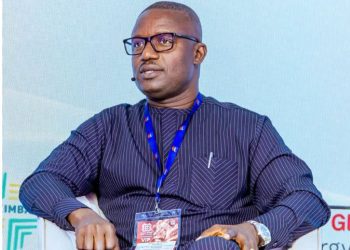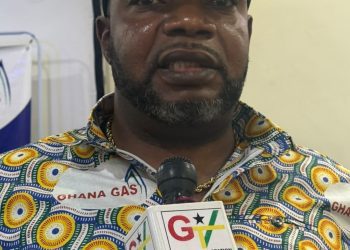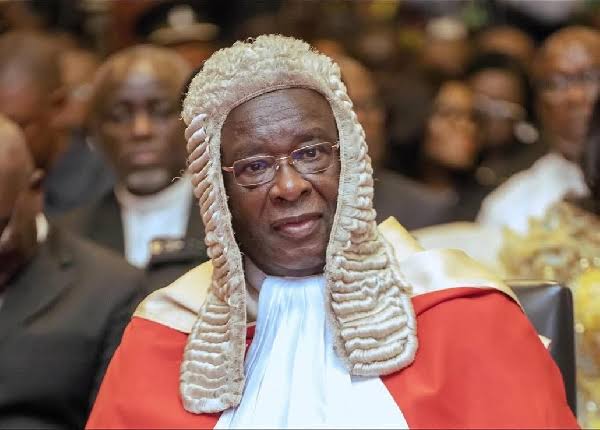
Private legal practitioner and New Patriotic Party (NPP) member Charles Owusu Juanah has warned that recent public remarks by Chief Justice Paul Baffoe-Bonnie comparing political administrations could undermine public confidence in the impartiality of the judiciary.
Speaking on Gold Morning Conversation, Mr Juanah argued that the position of Chief Justice requires particular restraint in public commentary, especially on politically contentious matters, because the judiciary serves as a constitutional check on the Executive and Legislature.
He said the fact that the remarks were made during an official engagement, rather than in a private capacity, could raise questions among litigants about whether they would receive an impartial hearing in politically sensitive cases.
“If there’s an issue that has gone to the Supreme Court and the Chief Justice is heading the panel, and the issue has to do with a citizen of Ghana against the government of the day, do you think that that particular citizen will be happy to go under that panel?” he asked.
Mr Juanah argued that such public comments could create perceptions of bias and potentially generate avoidable questions about recusal when cases involving the government come before the Supreme Court.
While describing the Chief Justice as a brilliant and accomplished jurist, Mr Juanah rejected attempts to defend the remarks by pointing to similar controversies involving judges under previous administrations.
According to him, questionable conduct in the past should not become the standard by which present judicial conduct is assessed.
“What is wrong is wrong. Be it in different eras, it’s wrong. We cannot say that because what this person did is wrong, so it can be replicated by the other person. No. That’s not how to build a nation,” he said.
Mr Juanah also drew a distinction between opinions expressed by judges in the course of deciding cases and comments made outside formal judicial proceedings.
He argued that judges are expected to reach conclusions and express judicial opinions after hearing the evidence and arguments before them, but politically sensitive commentary outside the courtroom could expose the judiciary to unnecessary questions about its neutrality.
He maintained that the concern was not necessarily that the Chief Justice had demonstrated actual bias, but that his comments could create a perception of bias among litigants and the wider public.
Mr Juanah also raised concerns about what he described as the increasing normalisation of abusive political rhetoric against public officials.
He criticised sections of the media for amplifying inflammatory and potentially defamatory political commentary, arguing that journalists should exercise greater editorial judgement rather than simply provide platforms for every politically charged statement.
He urged the media to strengthen its gatekeeping role and apply the same standards to political rhetoric regardless of which side of the political divide it originates from.