The Minister for Environment, Science and Technology, Dr Zanetor Agyeman-Rawlings, has described illegal mining, popularly known as galamsey, as a form of “chemical warfare”, warning that the use of hazardous substances in unregulated mining poses serious threats to human health and the environment.
She said the use of chemicals such as mercury and cyanide outside properly regulated environments exposed communities to dangerous substances, with potentially devastating consequences for water bodies, agricultural land and public health.
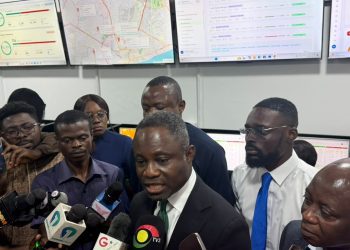
Dr Agyeman-Rawlings made the remarks during a working visit to the Eastern Region to assess environmental challenges and engage relevant authorities on measures to address illegal mining.
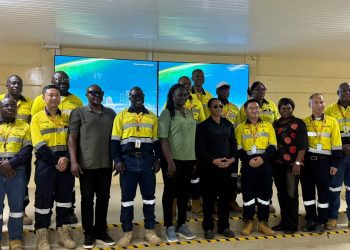
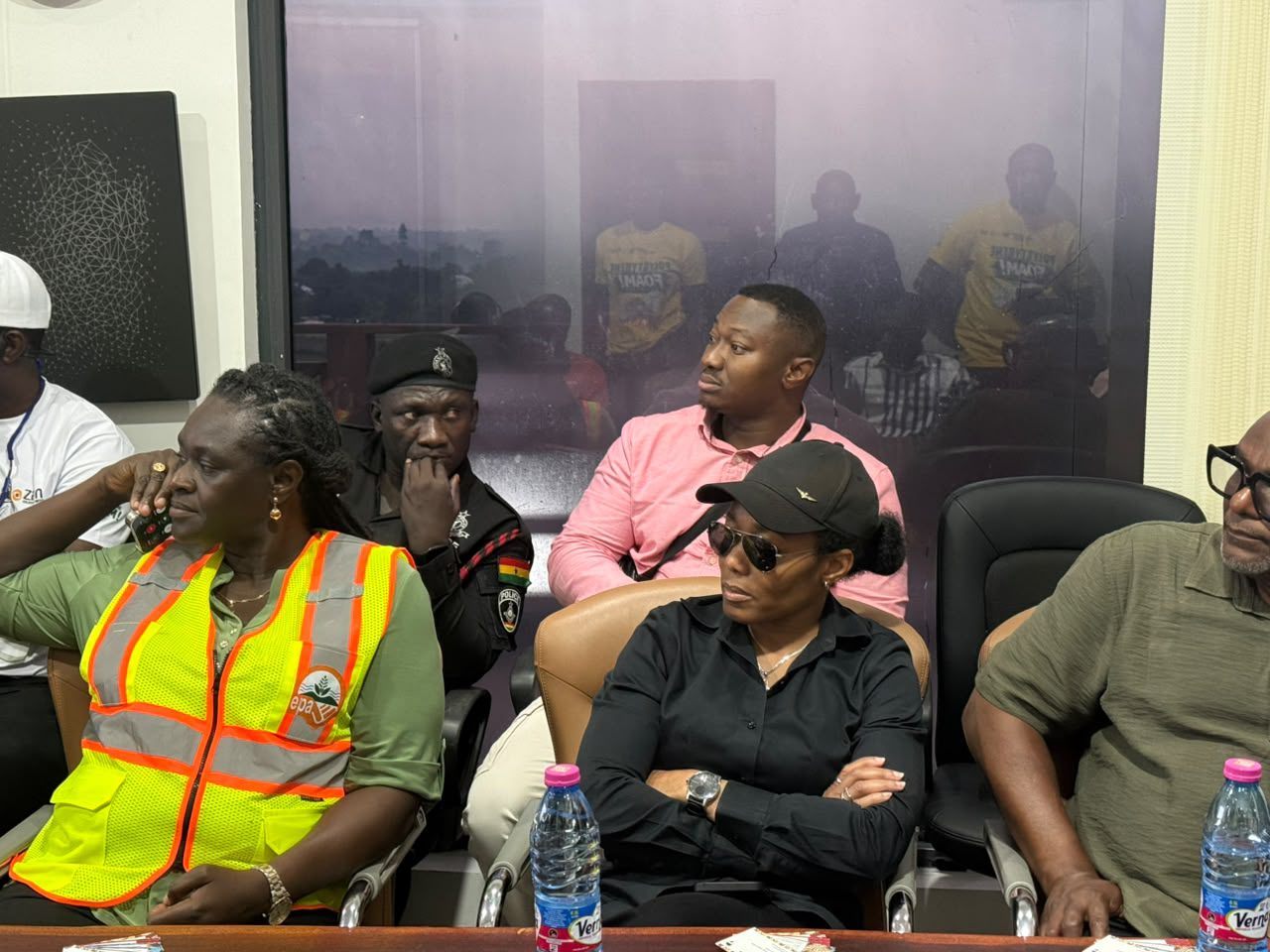
The visit included a stop at Zijin Golden Ridge Company Limited at New Abirem, where the minister and officials of the Environmental Protection Authority (EPA) were briefed on the company’s operations and environmental management practices. The delegation subsequently visited Osino, where they observed illegal mining activities.
The minister said the contrast between the environmental management practices demonstrated at the large-scale mining operation and the situation observed at Osino was, to say the least, disappointing and disheartening.
She expressed concern that illegal mining activities were taking place in broad daylight less than 200 metres from a major road, despite ongoing efforts to address environmental degradation in the area.
Dr Agyeman-Rawlings questioned why illegal miners appeared confident enough to operate openly despite the laws and enforcement measures intended to prevent such activities.
She called on the Eastern Regional Security Council (REGSEC) to examine the situation more closely and develop effective measures to tackle the menace.
The minister stressed that illegal mining should not be treated merely as a political issue but as a serious environmental and public health emergency requiring urgent and coordinated action.
She warned that the continued destruction of forests, pollution of water bodies and degradation of agricultural land could undermine Ghana’s ability to provide safe drinking water and produce enough food for its population.
Dr Agyeman-Rawlings also raised concerns about the potential effects of exposure to hazardous chemicals on vulnerable populations, including pregnant women and children.
She called for stronger enforcement of the law and renewed efforts to establish environmental fast-track courts to ensure that offences involving environmental destruction were dealt with promptly.
According to her, although the government was providing alternative pathways for small-scale miners to operate legally and adopt environmentally responsible practices, some individuals continued to engage in illegal activities.
She described such conduct as a blatant disregard for the country’s laws and its responsibility to protect the environment for future generations.
The minister also referred to concerns about illegal mining in forest reserves, noting that the destruction of protected areas threatened Ghana’s biodiversity and natural resources.
She urged the Regional Security Council, the EPA and other state institutions to work together to develop strategies capable of producing lasting results.
Eastern Regional Minister Welcomes Additional Strategies
Responding to the minister’s observations, the Eastern Regional Minister, Hon. Rita Akosua Adjei Awatey, welcomed additional strategies and interventions to strengthen the fight against illegal mining.
She said the region remained committed to working with the EPA, security agencies and other relevant state institutions to address the problem.
Hon. Awatey welcomed the Environment Minister’s willingness to support ongoing efforts, adding that fresh ideas and coordinated action were needed to tackle illegal mining and protect the region’s natural resources.
She said the region was open to strategies that could complement the work of the Regional Security Council and other state institutions engaged in the fight against galamsey.
The visit forms part of efforts by the Ministry of Environment, Science and Technology and the EPA to assess environmental management practices and identify challenges requiring stronger enforcement and institutional collaboration.
Story by Osman Issah Abadoo