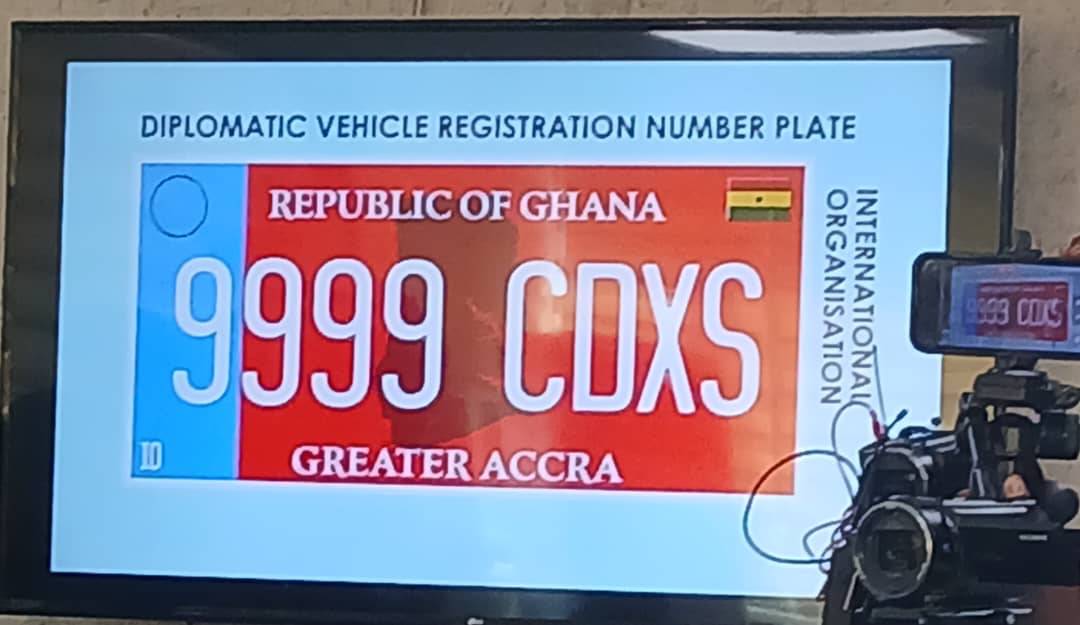
The Driver and Vehicle Licensing Authority (DVLA) has announced sweeping reforms to Ghana’s vehicle registration and licensing system, including the rollout of RFID-enabled number plates, a nationwide vehicle onboarding exercise, and the commissioning of six new ultra-modern DVLA offices across the country.
The announcements were made at a media engagement by the Director of DTTL at the DVLA, Mr. Kafui Semevo, and the Chief Executive Officer of the DVLA, Mr. Julius Neequaye Kotey.
RFID Number Plates to Enhance Security
Addressing the media, Mr. Kafui Semevo said the DVLA will introduce Radio Frequency Identification (RFID) technology into vehicle number plates later this year to improve real-time vehicle verification, road safety, and national security.
According to him, the current manual registration system has created loopholes for vehicle cloning, revenue leakages, and ineffective enforcement.
“The new number plates will allow security agencies to verify vehicle information instantly without relying on manual records,” he said.

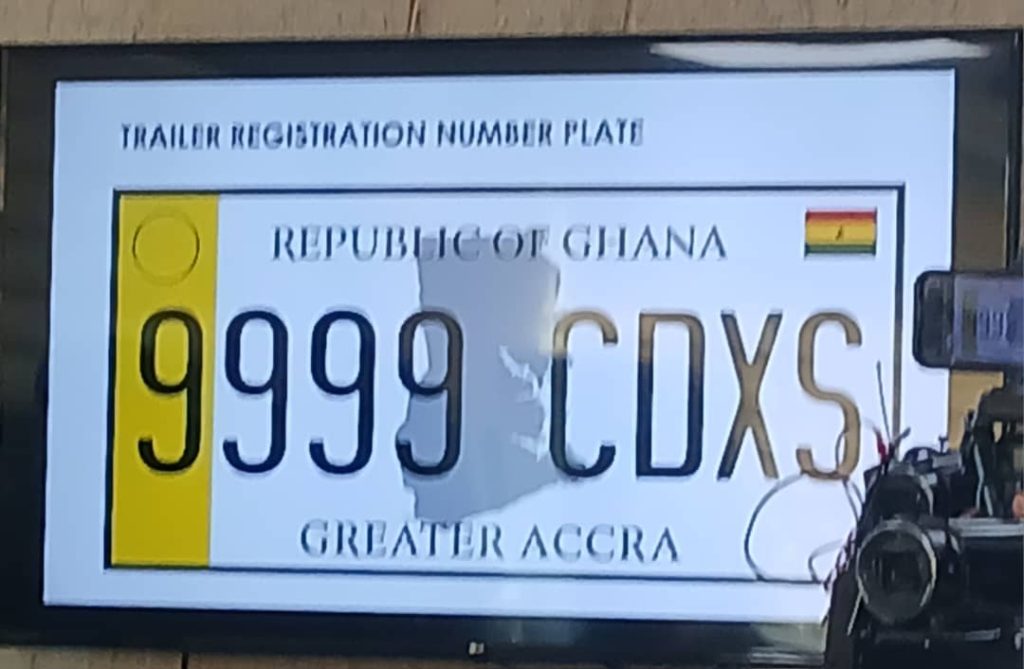
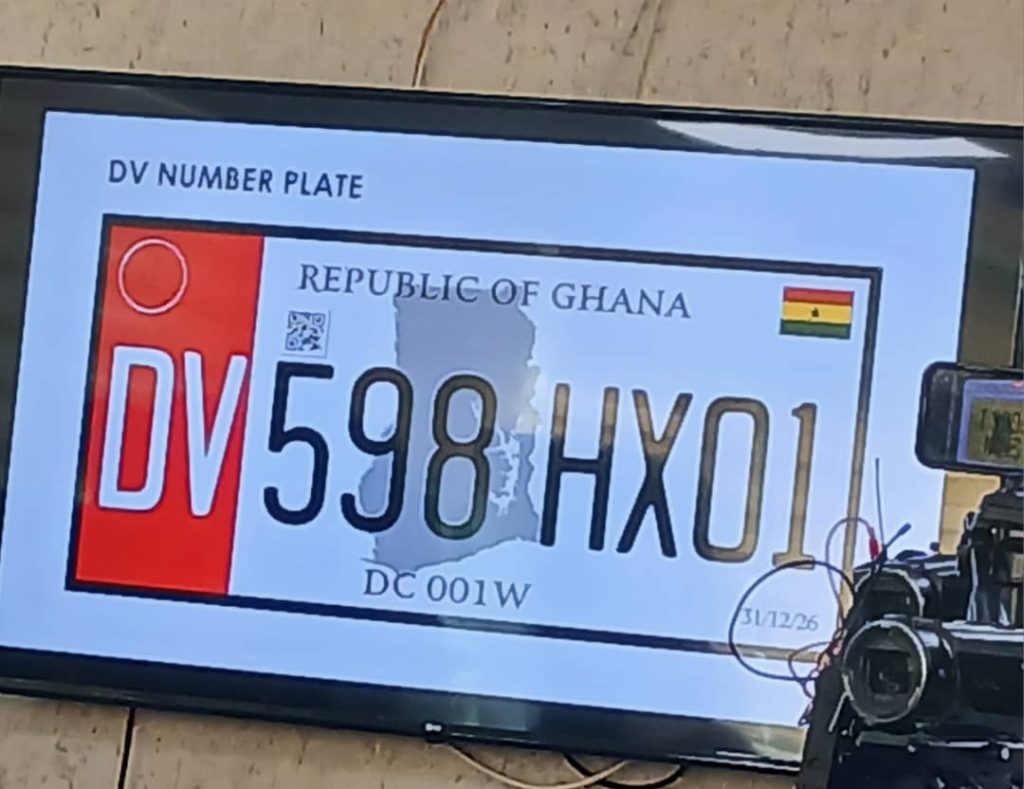
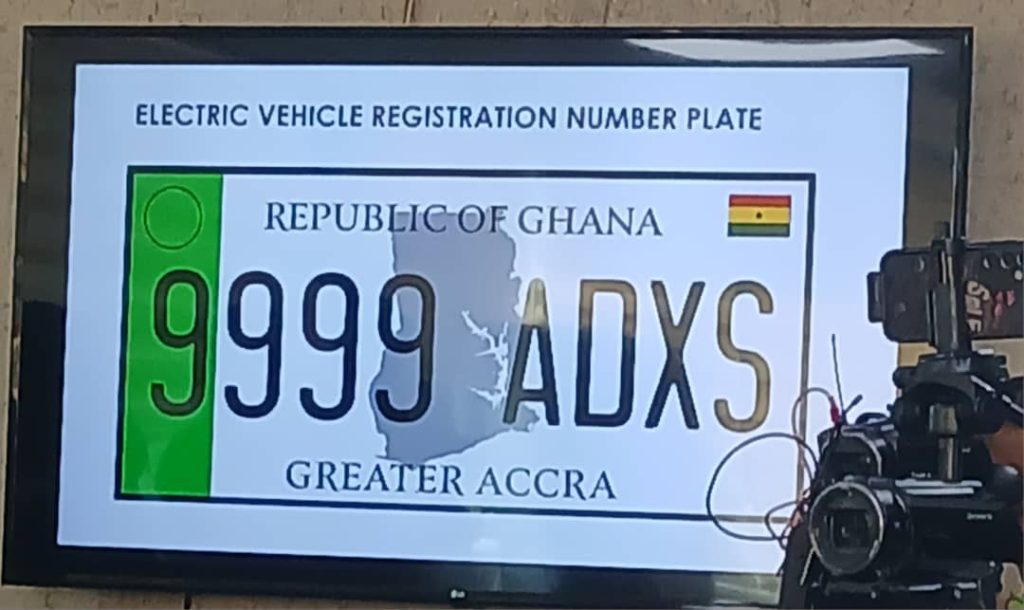
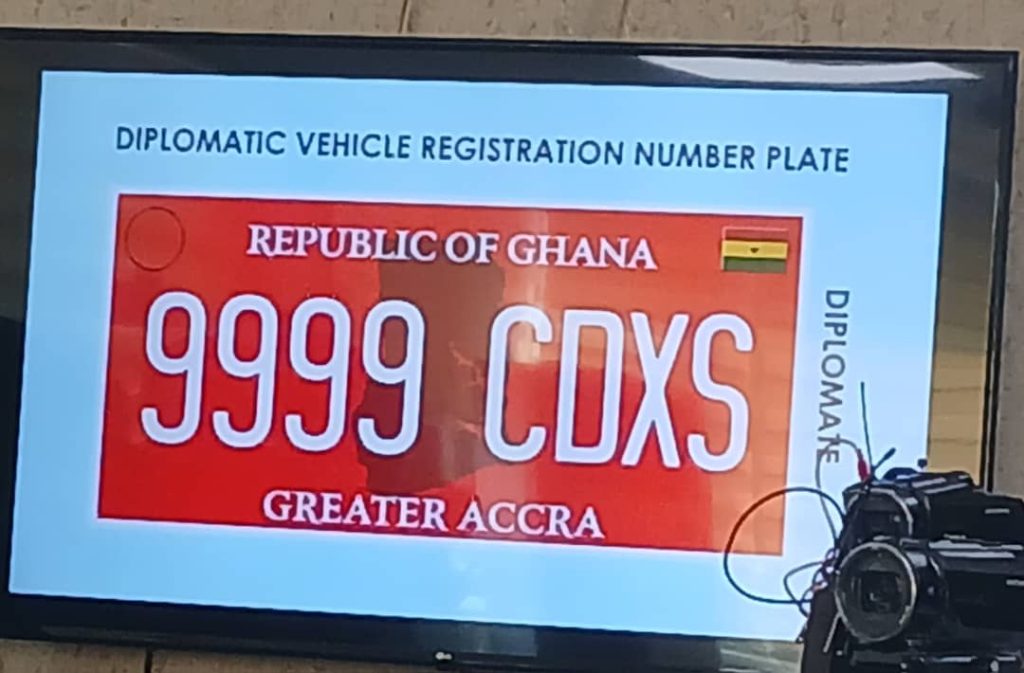
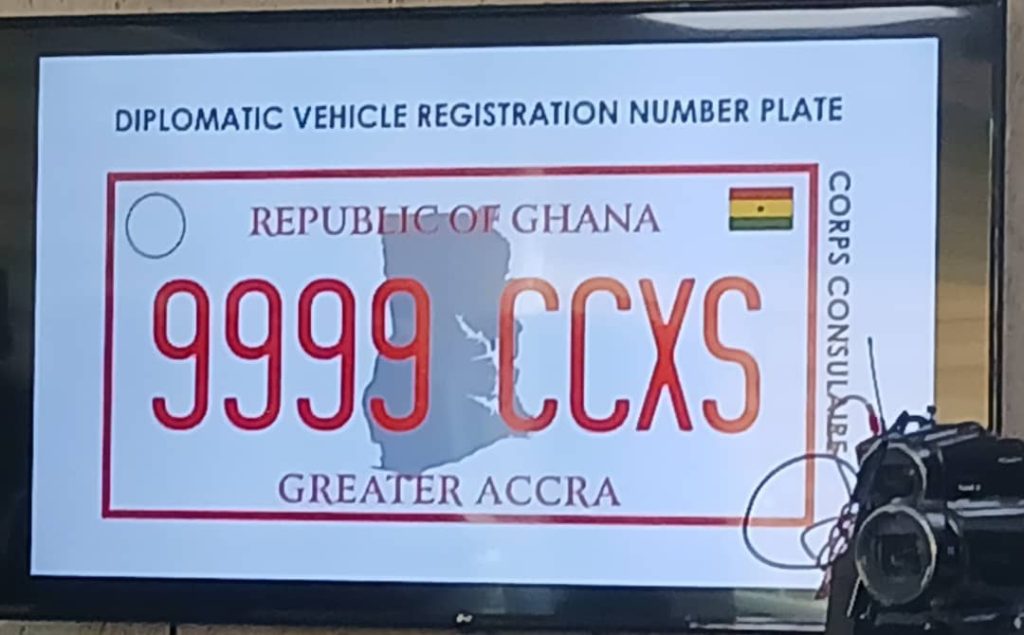
The new plates will feature the Republic of Ghana inscription, the national flag, a Ghana map security feature, registration region, registration centre codes, and randomly generated security identifiers.
Under the new regime, number plates will remain state property, while assigned registration numbers may be retained and reused within the same vehicle category.
Vehicle owners will also be required to validate their plates every two years, with dormant numbers unused for five years becoming eligible for reassignment.
Mandatory Vehicle Onboarding
Ahead of the rollout, the DVLA has begun a mandatory vehicle onboarding process, which includes document verification, customs clearance checks, vehicle inspection, and biometric verification using the Ghana Card.
Mr. Semevo explained that onboarding is free, although a GH¢25 private data verification fee applies,
in addition to fees for the issuance of a Certificate of Title and Vehicle Registration Card.
Failure to onboard a vehicle, he warned, will make it impossible to register or re-register the vehicle and may attract sanctions under the road traffic laws.
Six New DVLA Offices Ready for Commissioning
In a related development, DVLA Chief Executive Officer Julius Neequaye Kotey announced that six ultra-modern DVLA offices are ready for commissioning as part of the Authority’s infrastructure expansion drive.
He said the initiative follows a directive from President John Dramani Mahama for the DVLA to expand access to its services nationwide.
“Last year, we opened 10 out of the planned 40 new offices, and all are currently operational. Six additional offices are now fully completed and ready for commissioning,” Mr. Kotey stated.
The completed offices are located at Ashaiman, Ejisu, Kasoa, Bantama, upgraded from a Private Vehicle Testing Station (PVTS) as well as Pokuase and Juaben, both upgraded to ultra-modern status.
Commissioning is expected to begin within the next two weeks. Beyond the six completed facilities, the DVLA is working on new offices in Salaga, Garu-Tempane (border office), Ada, Sissala, Akim Oda, and Kyebi, with several expected to be completed by the end of the year.
Mr. Kotey also announced that the DVLA will soon extend selected licensing services to Ghanaians living abroad, following approval from the Ministry of Foreign Affairs.
Under the initiative, DVLA services will be available in five countries: the United States, United Kingdom, Canada, Germany, and selected Middle Eastern countries, to reduce reliance on middlemen and curb fraudulent transactions
Meanwhile, regional DVLA offices will begin operating extended working hours, with plans to transition to 24-hour services after a three-month review.
Additionally, the DVLA Board has approved the issuance of Vehicle Permit (VP) stickers to motorbikes at ports of entry, a move aimed at improving compliance and regulation in the motorcycle sector.
Nationwide Transition by 2027
The new RFID number plate regime is expected to run through the end of 2027, allowing for a phased nationwide transition. However, DVLA officials stressed that vehicle onboarding has no fixed deadline and is currently ongoing.
Vehicles registered
between January 2022 and December 2023, they are excluded from Phase One of the onboarding exercise.
The DVLA says the combined reforms will significantly improve vehicle identification, law enforcement, revenue protection, and national security while making DVLA services more accessible to the public both locally and internationally.
Story by Osman Issah Abadoo