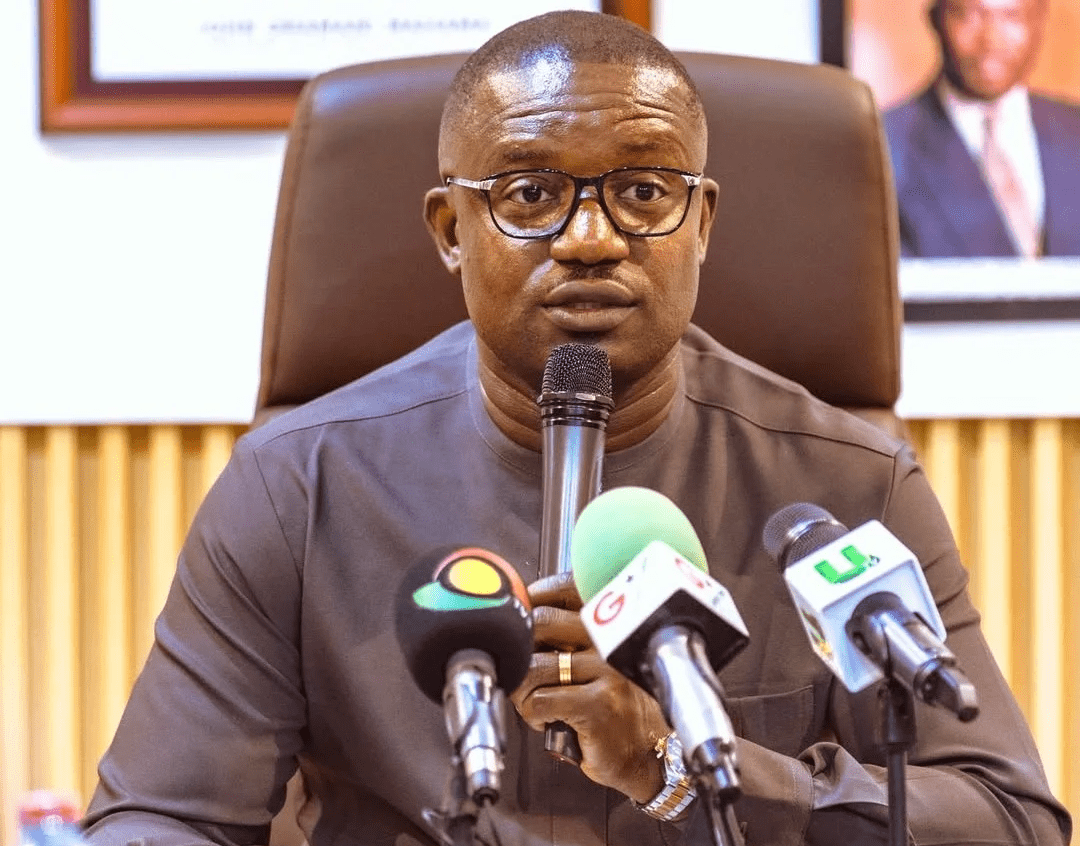
Minister for Energy and Green Transition, John Abdulai Jinapor, has called for a tougher approach to electricity revenue collection and a sharper shift toward battery-backed renewable energy, warning that Ghana’s power sector cannot remain financially sustainable if paying consumers continue to carry the burden of institutions that fail to settle their bills.
Speaking at the Bui Power Authority’s 2026 Annual Stakeholder Meeting, Mr Jinapor said the sector must confront both weak revenue collection and inefficient spending if it is to generate the resources needed for new investment and long-term supply security.
He argued that cross-subsidisation can play a legitimate role in protecting vulnerable consumers, but said the bigger problem arises when some customers, including state-owned institutions, fail to pay for electricity consumed.
Using a simple illustration, the Minister said when six out of ten consumers pay their bills and four do not, the burden of the unpaid consumption ultimately falls on those who comply.
He therefore called for a more aggressive and equitable revenue collection regime, stressing that state-owned institutions not covered by approved exemptions must budget for and settle their electricity obligations just as private consumers are expected to do.
Mr Jinapor noted that some public institutions are able to find money for diesel when grid supply fails, yet resist paying for electricity when power is available.
He said that imbalance must end if utilities and power producers are to mobilise enough resources to maintain infrastructure, invest in generation and expand supply.
The Minister also warned that improved revenue collection alone would not solve the sector’s problems if institutions continue to waste money on non-essential expenditure.
He disclosed that he had previously rejected a request involving board members seeking to travel to watch a football match, arguing that such spending could not be justified as a priority for an energy-sector institution.
Mr Jinapor said tighter expenditure controls, including commitment authorisation measures, are necessary to improve accountability and ensure that scarce sector resources are directed toward investments that strengthen power generation, transmission and distribution.
He urged energy-sector institutions to prioritise spending that directly improves service delivery, describing accountability and efficiency as essential to restoring the financial health of the sector.
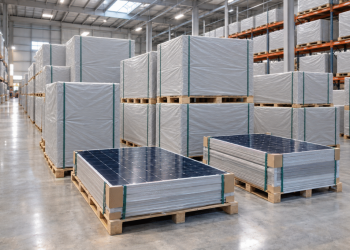
Turning to renewable energy, the Minister strongly backed the expansion of solar generation but said future projects must increasingly incorporate battery storage.
He explained that Ghana’s main electricity challenge is not daytime generation but the sharp increase in demand during evening peak periods.
According to him, the difference between off-peak and peak demand can rise to as much as 700 megawatts, creating a significant supply gap at night.
Mr Jinapor said battery-backed solar systems could help close that gap by storing electricity generated during the day and releasing it during the evening peak.
He urged the Bui Power Authority and other sector stakeholders to consider adding more battery storage to existing solar installations, arguing that such systems could provide several hours of continuous power after sunset.
The Minister said other countries have successfully adopted this model and saw no reason Ghana could not do the same.
He also announced ongoing efforts to strengthen the national transmission network, particularly along the Eastern Corridor, where some areas still rely on lower-capacity transmission infrastructure.
Mr Jinapor said government is working on emergency interventions and renewable energy deployment while pursuing longer-term upgrades to improve voltage levels, support productive use of electricity and strengthen the grid for future power exports.
He stressed that transmission expansion will require significant investment, but said government and sector agencies are working to address the infrastructure gaps and build a more robust electricity system.