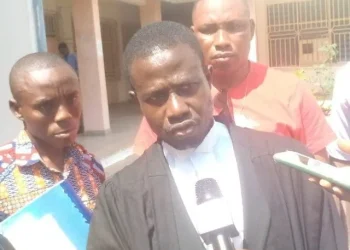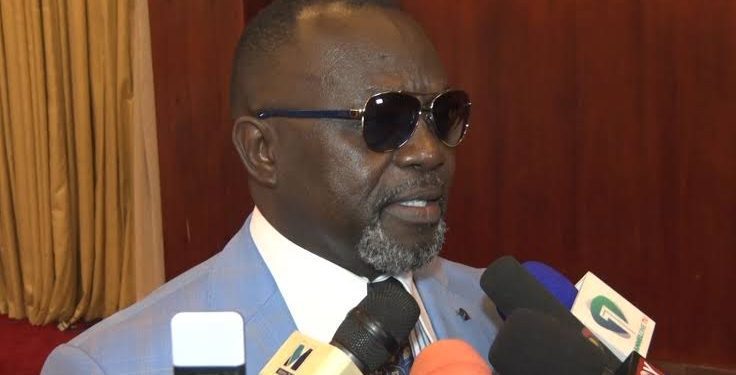
David Ametefe, a private legal practitioner has called for the establishment of district-level Attorney-General’s offices and the transfer of prosecutorial responsibilities away from police officers, arguing that stronger independent oversight is necessary to protect ordinary Ghanaians from abuses within the criminal justice system.
Speaking on Radio Gold, Mr Ametefe said the concentration of investigative and prosecutorial responsibilities within law enforcement agencies had contributed to practices that undermined the rights of suspects, particularly those unable to afford legal representation.
His proposal follows a directive issued by Attorney-General and Minister for Justice Dr Dominic Akuritinga Ayine, requiring investigative and prosecutorial authorities to comply with constitutional safeguards in handling criminal cases.
Mr Ametefe argued that although the directive was a significant intervention, lasting reforms would require stronger institutional supervision at the district level.
He proposed the establishment of district attorney offices to oversee investigations and prosecutions, rather than relying primarily on the Attorney-General’s existing regional structures.
According to him, district attorneys should provide independent oversight of law enforcement agencies and ensure that criminal investigations comply with constitutional and legal requirements.
He further suggested that police officers should concentrate on investigations and the preparation of case dockets, leaving prosecution to legally trained officials operating under the Attorney-General’s authority.
“I believe when prosecutorial powers are taken from them and their powers are limited to only investigation and building of dockets, it will limit some of these abuses,” he stated.
The lawyer also raised concerns about the lack of legal representation for ordinary suspects, claiming that many lawyers avoided criminal defence work because of the difficulties associated with challenging law enforcement agencies.
He said this left vulnerable individuals facing the full weight of the state without adequate legal assistance.
According to Mr Ametefe, some suspects were allegedly encouraged by arresting officers or prosecutors to plead guilty in exchange for promises of lenient treatment, even when they had no lawyer to advise them.
He warned that such practices raised serious concerns about access to justice and the fairness of criminal proceedings.
The private legal practitioner also alleged that some police officers fabricated evidence to secure the detention or prosecution of suspects, citing his personal experiences in criminal defence practice.
He maintained that the Attorney-General’s constitutional authority over criminal prosecutions, particularly under Article 88 of the 1992 Constitution, provided a basis for strengthening supervision of investigative and prosecutorial agencies.
Mr Ametefe urged the government to prioritise institutional reforms alongside the implementation of the new directive, stressing that protecting suspects’ rights required independent oversight, effective legal representation and accountability for misconduct.
He expressed the view that district-level prosecutorial supervision, combined with a clearer separation between police investigations and prosecution, could significantly reduce abuses and improve public confidence in Ghana’s criminal justice system.