The State Housing Company Limited (SHC) has raised concerns over the continued occupation and unauthorised use of its lands and properties, warning that the situation is depriving the company of revenue and undermining efforts to provide affordable housing for Ghanaians.
According to the company, the loss of control over portions of its property portfolio has affected its ability to develop new housing projects and fulfil its mandate as Ghana’s state-owned housing developer.
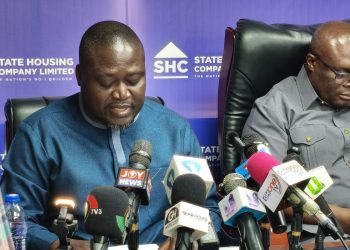
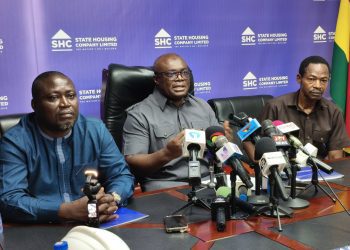
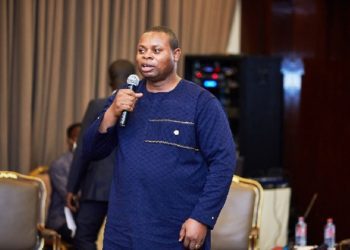
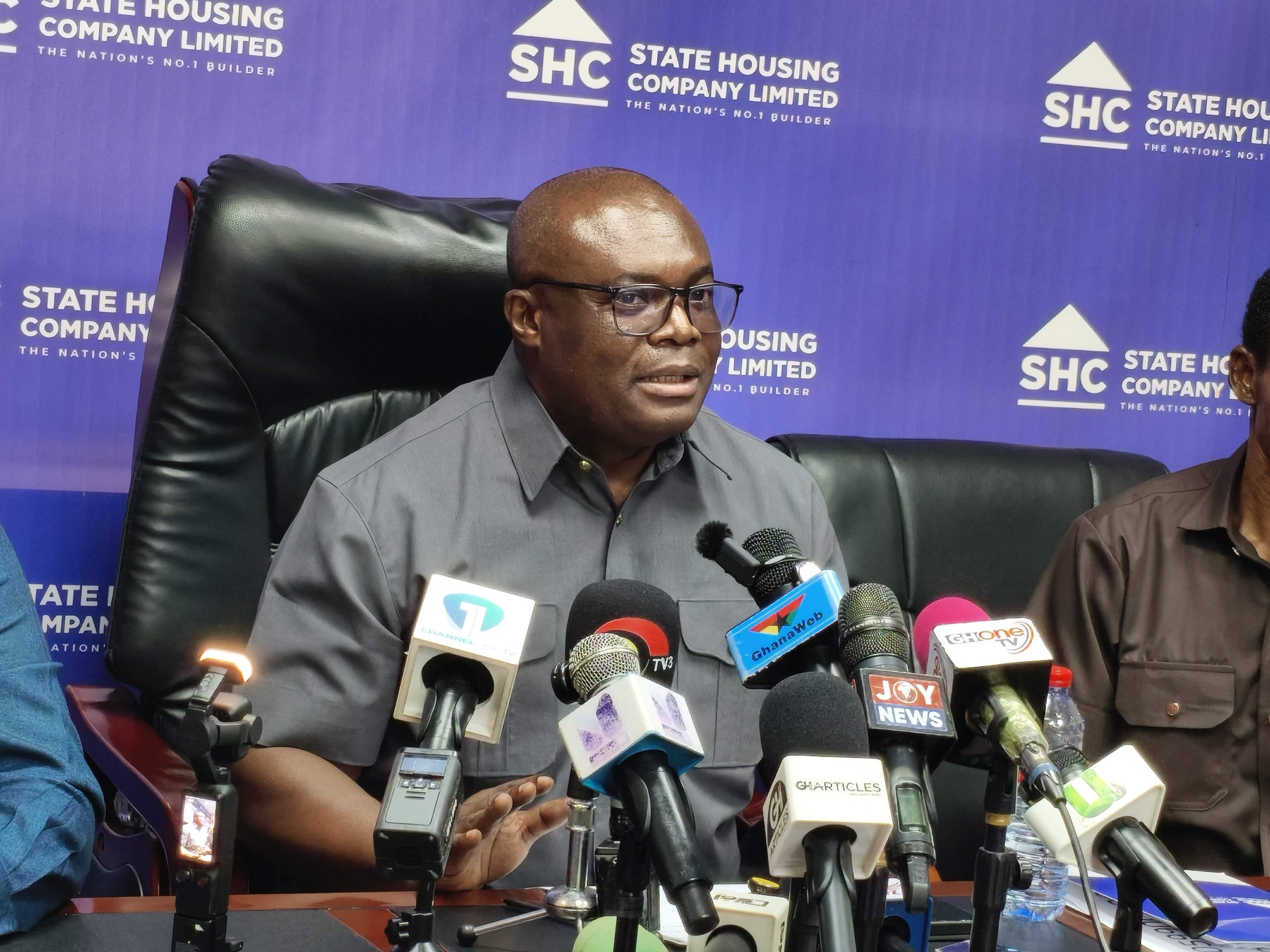
Speaking at a press conference on Tuesday, October 13, 2026, the Deputy Managing Director of SHC, Samuel Atukwei Quaye, Esq., said the company’s lands were public assets entrusted to it for the benefit of Ghanaians and must not be treated as private property.
He explained that SHC, established in 1956, had developed 94 estates and more than 30,000 housing units across the country.
However, he said the company’s efforts to expand housing delivery were being constrained by the unauthorised occupation and use of properties originally intended to support its operations.
“To do that work, the State gave this company land. Those lands are not the private property of the company’s management, nor of anyone who happens to occupy them. They are public assets, held in trust for the people of Ghana, and they exist to be turned into homes,” he stated.
Mr Quaye said the company had identified various forms of irregular occupation, including encroachment, unauthorised development and the continued occupation of properties under expired leases.
He explained that the consequences extended beyond the loss of individual properties, as the company also suffered revenue losses and delays in housing development.
“Ladies and gentlemen, every one of these cases is a loss to the State. It is lost revenue. It is land that cannot be developed. It is a housing project that cannot proceed, and a family that continues to wait for a home,” he said.
He added that the depletion of the company’s assets and revenue directly affected its capacity to deliver on its housing mandate.
“When the company is starved of its assets and of its revenue, it cannot fulfil its full mandate. And the one who pays the price is the ordinary Ghanaian who is waiting on us to deliver,” he stressed.
The Deputy Managing Director maintained that the planned nationwide land audit and recovery exercise was therefore a matter of public interest rather than an attempt to punish individuals.
He rejected suggestions that the initiative was intended to render occupants homeless, explaining that SHC’s objective was to safeguard properties belonging to the State while respecting the rights of affected persons.
“This exercise is in the interest of the State. It is about protecting public assets for the benefit of all Ghanaians,” he stated.
“It is not targeted at displacing people. SHC has no interest in rendering anyone homeless, and we are not on a mission against our citizens,” he added.
Mr Quaye said the company remained committed to ensuring that its assets were protected and available to support future housing developments.
He appealed to the public to recognise the broader national interest behind the exercise, particularly the need to improve access to decent and affordable housing.
“Ladies and gentlemen, the land we are talking about is the land on which the next generation of Ghanaian homes will be built. Recovering it is not an act against anyone. It is an act for everyone: for the young couple waiting for an affordable home, for the worker who dreams of a roof of their own, and for the Ghana we all want to build,” he stated.