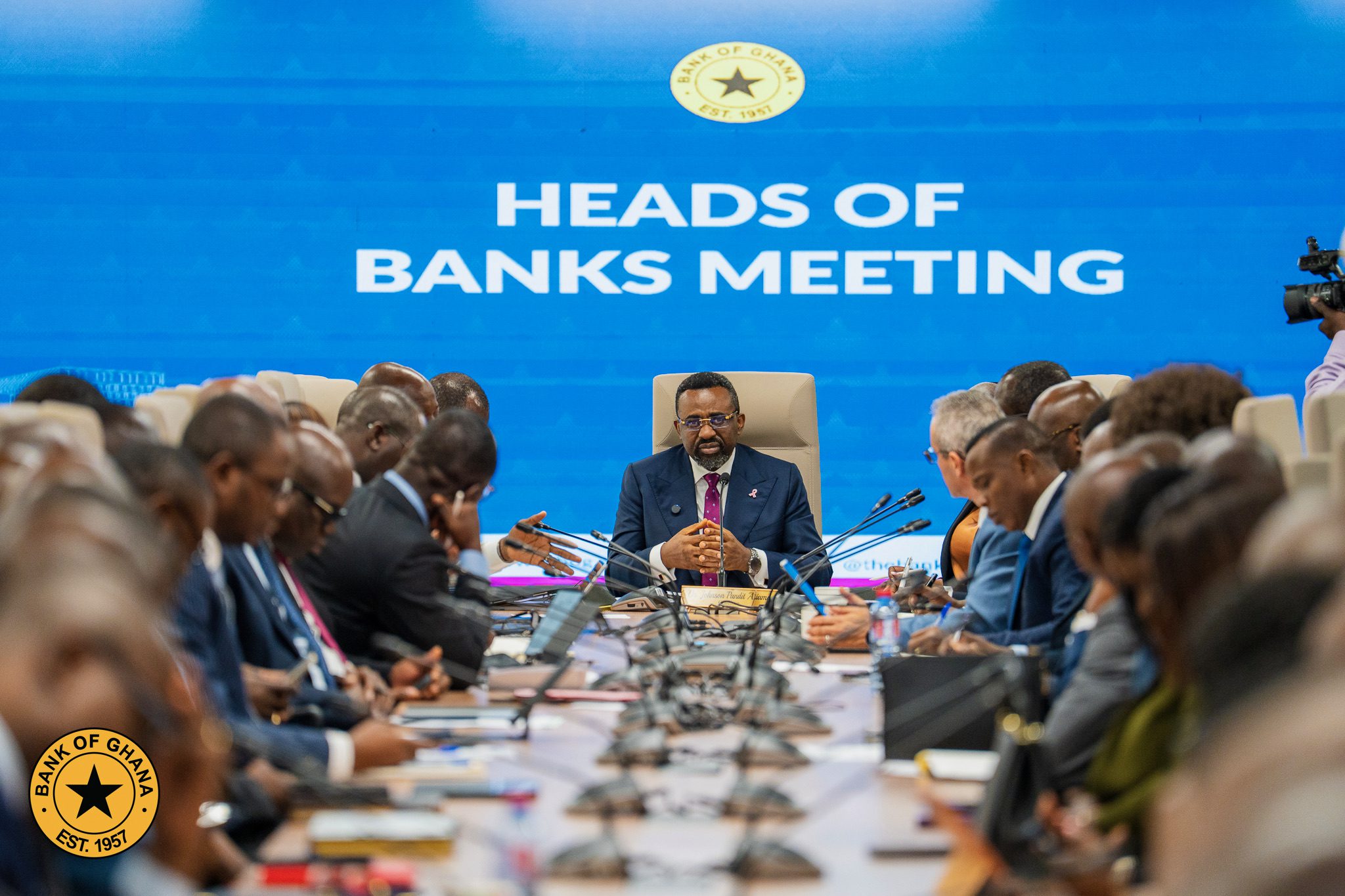
Private sector credit growth accelerated to 35.5% in August 2026 as average bank lending rates fell sharply to 15.9%, signalling a significant easing in domestic financing conditions, Bank of Ghana Governor Dr Johnson Pandit Asiama has disclosed.
The latest figures represent a substantial improvement from 13.3% private sector credit growth recorded in the corresponding period of 2025, while average lending rates have dropped from 24.2% a year earlier.
In real terms, private sector credit expanded by 29%, compared with just 1.7% over the same period last year.
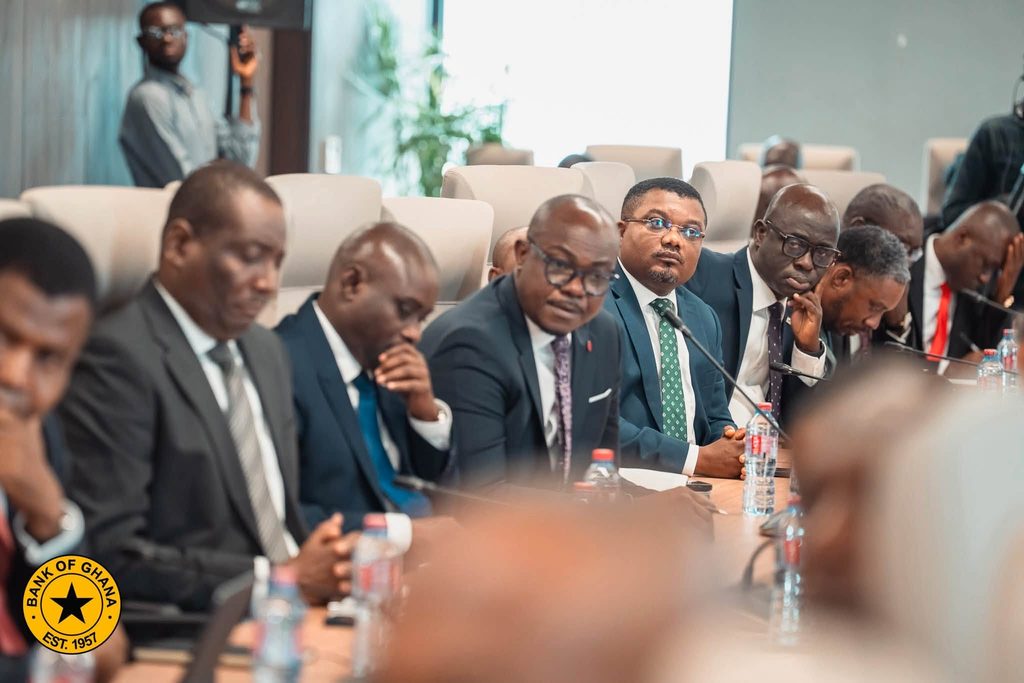
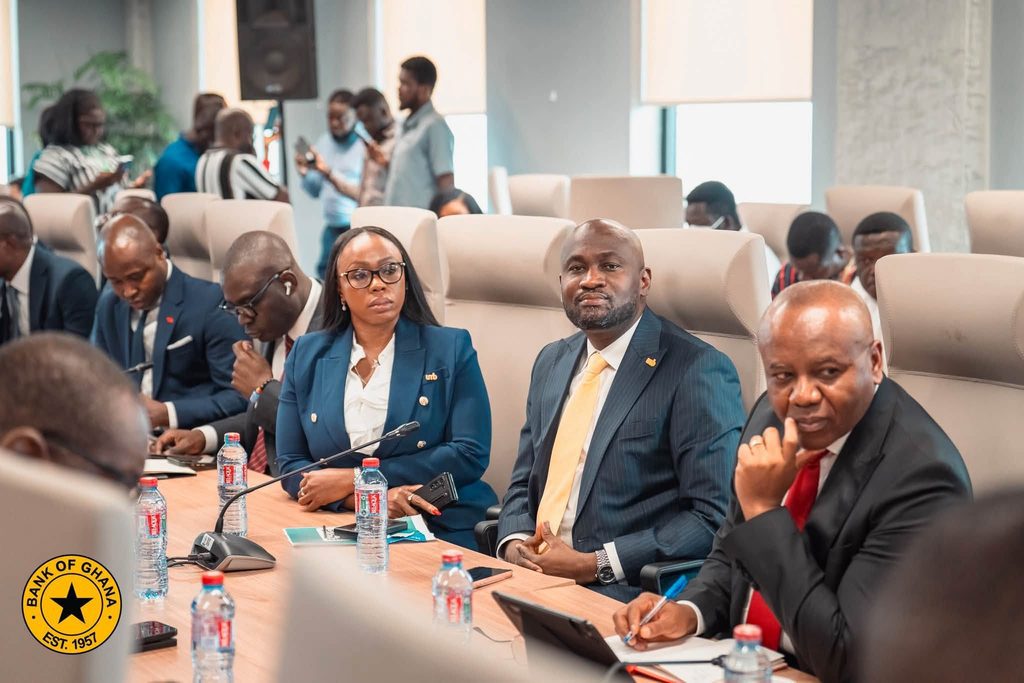
Addressing heads of banks at The Bank Square in Accra, Dr Asiama attributed the rebound to declining lending rates, an easing in banks’ credit stance and a recovery in demand for loans.
He said the developments demonstrate that the easing of domestic financial conditions is increasingly being transmitted into the credit market.
The Governor also described Ghana’s banking sector as resilient, pointing to growth in total assets, strong deposit mobilisation, adequate capitalisation and improvements in asset quality.
Economy grows 6%
The Governor said the broader economy continued to show resilience, with real GDP expanding by 6% in the second quarter of 2026, driven mainly by the services and industry sectors.
The performance was, however, slightly below the 6.6% growth recorded during the corresponding period of 2025.
Consumer and business confidence also remained positive, which Dr Asiama attributed to the relatively stable macroeconomic environment and optimism surrounding the growth outlook.
Inflation increased modestly from 4.6% in July to 5% in August, partly reflecting the effects of utility tariff adjustments and elevated crude oil prices.
Despite the increase, headline inflation remained below the lower bound of the central bank’s 8±2% medium-term target band, while core inflation and inflation expectations continued to moderate.
Against that backdrop, the Monetary Policy Committee unanimously decided at its September meeting to maintain the policy rate at 14%.
Trade surplus climbs to $8.85bn
Ghana’s external position also strengthened during the period, with the country’s trade surplus increasing to US$8.85 billion in the first eight months of 2026, compared with US$6.69 billion over the same period last year.
Gross international reserves stood at approximately US$12 billion as of September 22, 2026, sufficient to cover about 4.5 months of imports.
Dr Asiama said the reserve position continued to benefit from improved gold export receipts despite elevated external-sector payments.
The Governor, however, cautioned that Ghana continues to operate within a difficult global environment characterised by geopolitical tensions, elevated oil prices, tighter global financial conditions and the possibility of weather-related shocks.
He said preserving the gains made in inflation, fiscal consolidation, exchange-rate stability and financial-sector resilience would be critical to establishing a stronger foundation for sustainable economic growth.