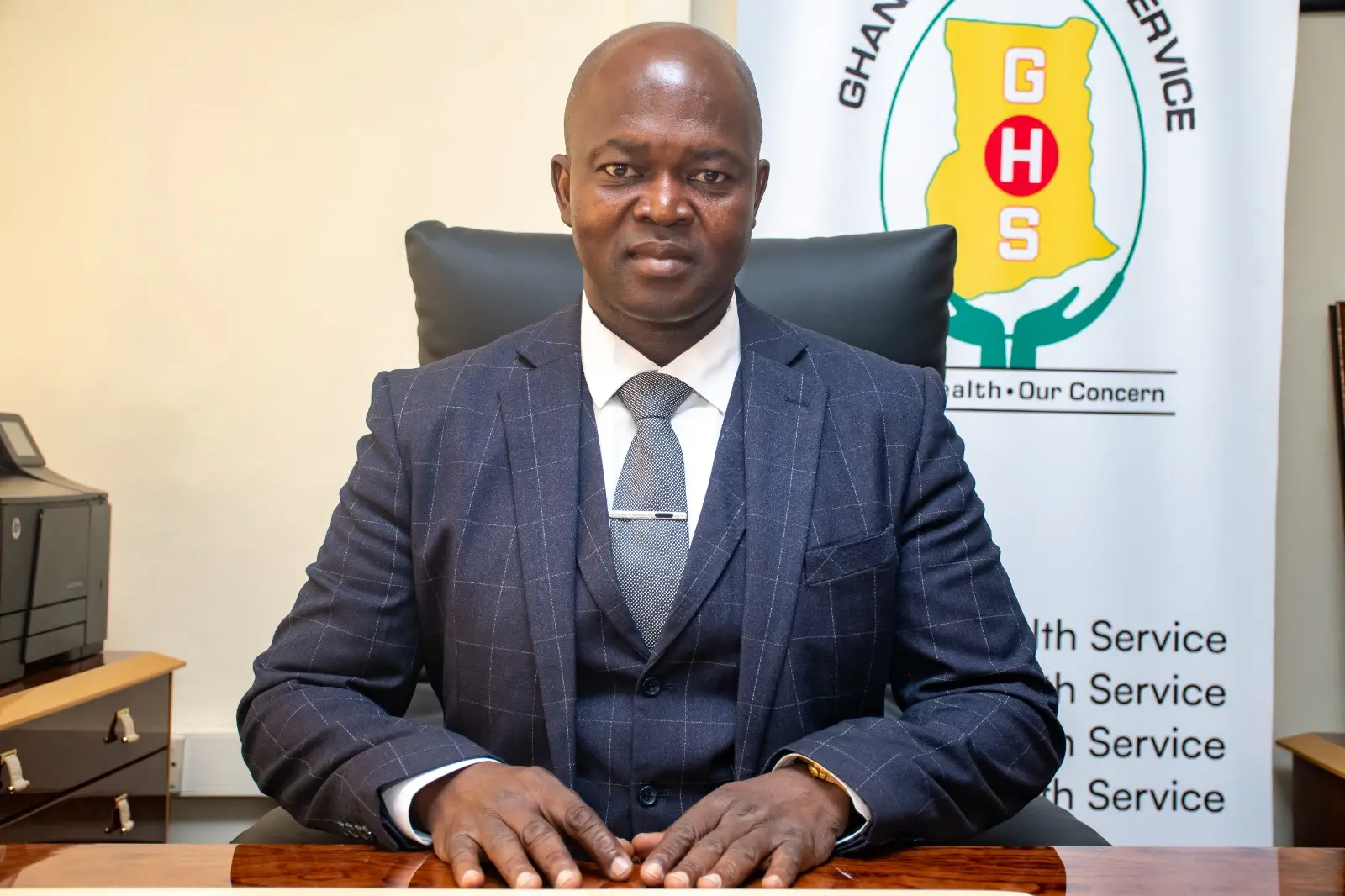
The Director-General of the Ghana Health Service (GHS), Dr Samuel Kaba Akoriyea, has issued a renewed national call to action, urging intensified efforts to eliminate malaria, describing the fight against the disease as both urgent and achievable.
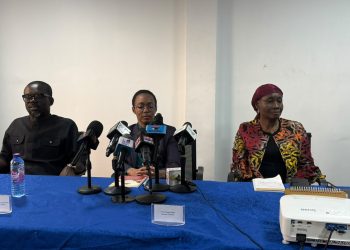
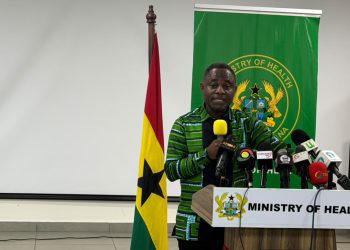
Speaking at the World Malaria Day 2026 press briefing, Dr Akoriyea emphasised that while Ghana has made significant progress in reducing malaria cases and deaths, the country must now move from progress to elimination.
“This year’s theme: “Driven to End Malaria: Now We Can. Now We Must”, is both a call to action and a reminder of the progress we have made, and the urgency with which we must act to eliminate malaria in Ghana,” he stated.
Malaria, he noted, remains a major public health concern, particularly affecting children under five and pregnant women, despite sustained interventions over the years.
He highlighted key strategies that have driven progress, including the distribution of insecticide-treated nets, indoor residual spraying, seasonal malaria chemoprevention, prompt testing and treatment, and intensified public education campaigns.
However, Dr Akoriyea cautioned that significant challenges persist, including funding gaps, climate-related factors, and behavioural barriers that continue to undermine malaria control efforts.
“Despite this progress, challenges remain. What is required is collective action and sustained commitment,” he stressed.
The GHS Director-General underscored the need for broader national involvement, calling on the private sector, civil society, and individuals to support the malaria elimination agenda.
He noted that increased domestic resource mobilisation and private sector investment will be critical not only to bridge funding gaps but also to drive innovation, efficiency, and sustainability in malaria control efforts.
“A malaria-free workforce is a productive workforce, and a healthy Ghana is a prosperous Ghana,” he said.
As part of this year’s commemoration, a series of nationwide activities have been planned, including media engagements, youth advocacy campaigns, stakeholder collaborations, a health walk, and a national durbar scheduled for April 25.
Dr Akoriyea also charged the media to play a central role in shaping public behaviour, urging consistent messaging on prevention measures such as sleeping under insecticide-treated nets, seeking early treatment for fever, and maintaining environmental cleanliness to reduce mosquito breeding.
In a concluding appeal, he reiterated that malaria elimination is within reach if collective efforts are sustained.
“Now is the time to act decisively and ensure that no Ghanaian dies from a preventable and treatable disease like malaria,” he declared.