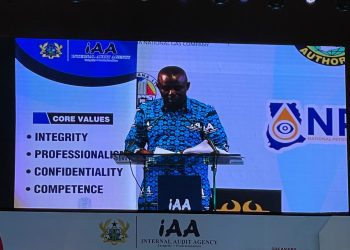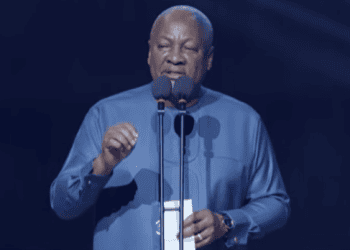
Prof. Joshua Yindenaba Abor, Chairman of the Internal Audit Agency Board has charged internal auditors to resist political and administrative interference, insisting that their professional loyalty must remain firmly with the public interest rather than individuals or institutions.
He warned that auditors who compromise their independence to satisfy political authorities or institutional heads undermine accountability and the protection of public resources.
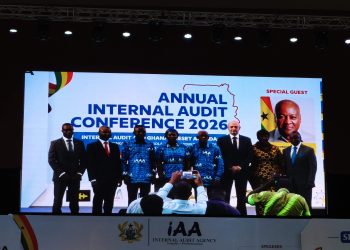
Addressing the 2026 Annual Internal Audit Conference, Prof. Abor urged auditors to demonstrate courage, integrity and professionalism, particularly when reporting findings that may be uncomfortable for management.
“Let us never forget that our loyalty is not to any individual, or political party, or ministry, or department, or institution. Our ultimate commitment is to good governance, the public interest, and the proper stewardship of Ghana’s resources,” he stated.
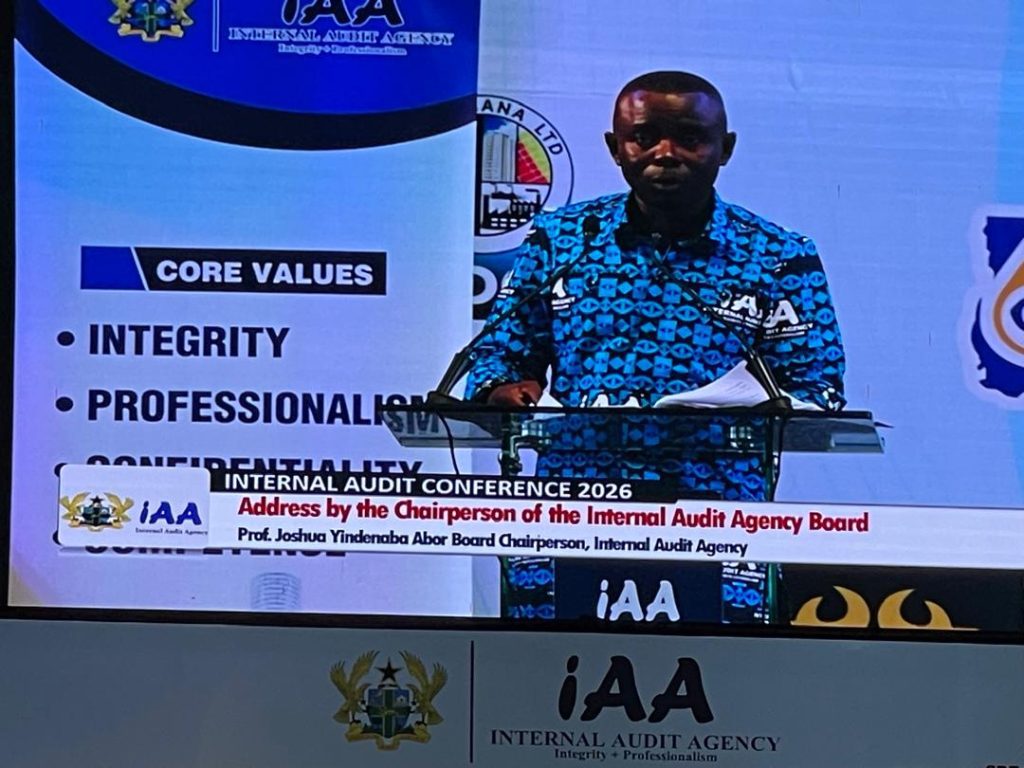
He cautioned auditors against treating opportunities for professional training funded by public institutions as personal favours from chief executives or institutional heads.
According to him, such training constitutes an investment of public resources and must never become a reason for auditors to compromise professional standards or bend institutional rules.
Prof. Abor further urged chief executives, metropolitan, municipal and district chief executives, and governing boards to protect the independence of internal auditors and involve them in major institutional decisions.
He explained that effective internal auditing strengthens economic resilience by identifying financial and operational risks before they develop into crises capable of disrupting essential public services.
The Board Chairman maintained that strong internal audit systems should be recognised as a critical part of Ghana’s economic infrastructure, particularly in safeguarding scarce resources and strengthening public confidence in state institutions.
He encouraged public sector managers to regard internal auditors as partners in institutional development rather than officials whose primary responsibility is to find fault.