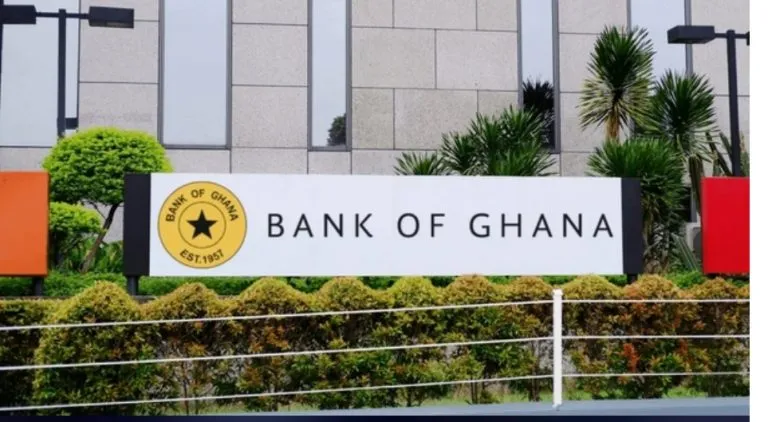
In a statement delivered on behalf of the Governor of the Bank of Ghana (BoG), Dr. Johnson Pandit Asiamah, by Ishmail Adam, Director of the Banking Supervision Department, the central bank affirmed its commitment to supporting the government’s 24-hour economy policy. The address, presented at the Banking Sector Roundtable, outlined the BoG’s strategic role in driving this transformative initiative.
Mr. Adam hailed the policy as a commendable initiative with the potential to significantly boost economic output and employment while highlighting its ability to spur capital investment, enhance productivity, and increase household incomes. The policy, he noted, would also lead to better utilization of public infrastructure and offer consumers greater convenience.
The Central Bank’s Mandate and Monetary Tools
Citing Section 3 of the Bank of Ghana Act, Adam underscored the central bank’s core mandate to support the general economic policy of government and promote economic growth and development. He emphasized that this function, alongside maintaining price and financial stability, positions the BoG as a key partner in the 24-hour economy agenda.
He explained that the BoG can leverage its monetary policy tools to create a conducive environment for this growth. By controlling inflation and maintaining stable prices, the bank can adjust interest rates downwards, making it easier for businesses to access the credit needed for expansion.
The success of the 24-hour policy, he stressed, is contingent on a safe and sound banking sector. As the supervisory authority, the BoG is committed to safeguarding public confidence through regular supervision, the enforcement of prudential regulations, and ensuring compliance with robust corporate governance and risk management practices. This, in turn, boosts investor confidence and ensures businesses have reliable access to essential financial services.
Furthermore, Adam highlighted the importance of a secure and efficient payment system. The BoG’s regulation of this infrastructure ensures that transactions can be completed smoothly and safely around the clock, which is crucial for a non-stop economy. The increased use of ATMs and online banking platforms, he added, reduces transaction costs and enhances liquidity management for businesses.
Fostering Development Finance and Credit Access
The BoG is also actively working to improve access to credit, particularly in critical sectors such as agriculture, manufacturing, and oil and gas. He pointed to the central bank’s key role in the establishment of the Development Bank of Ghana (DBG), which is designed to provide long-term lending to key sectors.
He also mentioned the Ghana Incentive-Based Risk-Sharing System for Agricultural Lending (GIRSAL), an initiative that de-risks lending to the agricultural sector through credit guarantees.
The Director also confirmed that the BoG has approved GIRSAL’s credit guarantees as acceptable collateral for agricultural lending, making these schemes more appealing to financial institutions.
In his closing remarks, Adam reiterated the bi-directional relationship between the real economy and the financial sector. He affirmed that the success of the 24-hour economy would ultimately benefit the banking sector through increased utilization of financial services.
“Through effective monetary policy, financial supervision, and innovation in the payment infrastructure, the Bank of Ghana can create the real conditions necessary for businesses to thrive, for investments to grow, and for employment to expand, ultimately driving the 24-hour policy and sustainable economic development.” He affirmed.
Story By: Eugenia Ewoenam Osei