The Electricity Company of Ghana (ECG) has announced a sweeping GH¢3.46 billion investment programme aimed at resolving persistent power outages and low voltage challenges across the country, while acknowledging that years of underinvestment in the distribution network have significantly weakened electricity delivery.
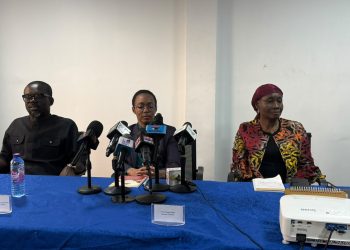
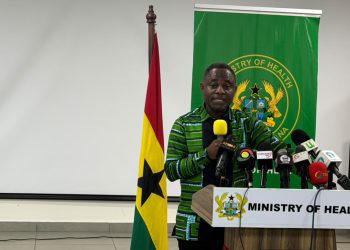
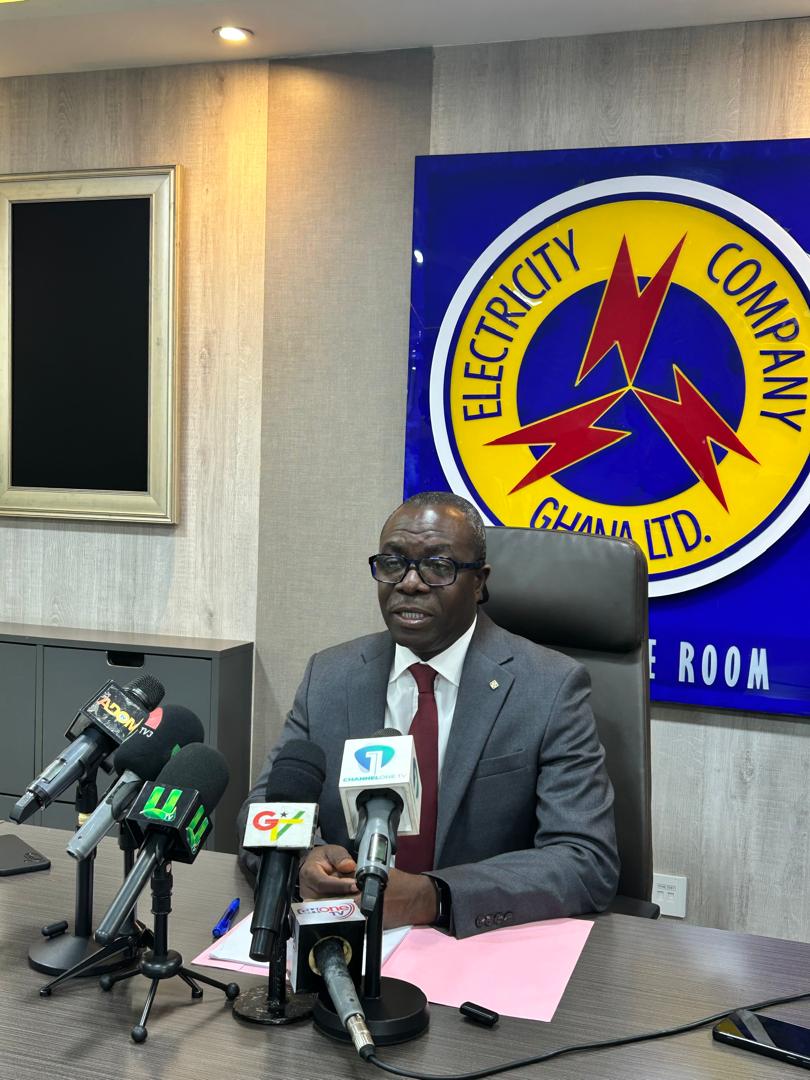
Addressing a press conference in Accra on April 20, 2026, Acting Managing Director, Ing. Kwame Kpekpena, admitted that although power generation and transmission have improved over the years, the distribution sector, the final link delivering electricity to homes and businesses has been largely neglected.
He noted that while power supply remains relatively stable in many areas, several communities continue to experience intermittent outages and low voltage, affecting households, businesses, healthcare facilities, and schools.
Root Causes of Power Challenges
ECG identified multiple factors behind the current electricity reliability issues, describing them as structural, operational, and financial.
A major concern is the overloading of distribution infrastructure, including transformers and substations, due to rapid urbanisation and population growth. According to the company, 834 transformers failed in 2023, rising to 1,064 in 2024, with only about 300 replaced by 2025.
The company also cited deteriorating infrastructure, including rotten wooden poles, which pose both safety and reliability risks. Additionally, vegetation encroachment—worsened by illegal mining activities has disrupted maintenance efforts, particularly in the Western and Western North regions
Funding constraints have further stalled critical infrastructure projects over the years, leaving the system strained and prone to frequent failures.
Immediate and Long-Term Interventions
To address the crisis, ECG outlined a five-phase investment programme designed to restore stability and improve long-term reliability.
In the immediate term, the company plans to inject 2,500 distribution transformers, replace hundreds of damaged units, and install over 1,600 new poles under its “Operation Keep the Lights On” initiative.
Short- to medium-term measures include completing stalled substation projects, upgrading conductors, and installing advanced network control equipment. Long-term interventions will focus on constructing new feeders, upgrading existing ones, and deploying modern technologies such as drones for network inspection.
Targeted Regional Solutions
ECG also outlined specific interventions for heavily affected areas.
Kumasi has been identified as one of the hardest-hit cities, with over 300 additional transformers required to stabilise supply. The company plans to resume major projects in the city by May 2026.
In the Volta and Oti regions, voltage challenges are largely linked to transmission limitations. ECG is working with the Ghana Grid Company (GRIDCo) on the Eastern Corridor Transmission Project, which includes upgrading the system from 69kV to 161kV to improve supply reliability.
Other areas such as Enchi, Mpohor, Kasoa, and parts of Accra—including Lakeside, Teiman, and East Legon will benefit from targeted transformer replacements, feeder upgrades, and network reinforcement works.
Government Support and Funding Reforms
The ECG management expressed gratitude to the government for introducing reforms to the Cash Waterfall Mechanism, allowing the company to retain 20 percent of its collections, with a portion ring-fenced for capital investment.
The company said this policy shift, alongside an injection of over GH¢1.2 billion into the distribution sector, will enable it to resume stalled projects and strengthen infrastructure.
Commitment to Improvement
Apologising to customers for the inconvenience caused by outages, ECG assured the public that restoring reliable electricity supply is now its top operational priority.
“The challenges we face are real and complex… but we have a plan, we have a schedule, and we are committing all our resources to execute it,” Ing. Kpekpena stated.
ECG further pledged to improve communication with customers and provide regular updates on progress, while calling on the media to continue holding the company accountable.
The investment programme is expected to be implemented in phases over the next two years, with immediate interventions already underway.
Story By: Eric Boateng